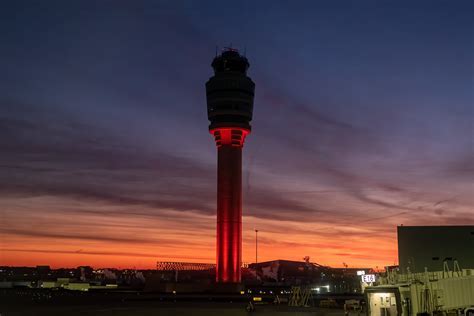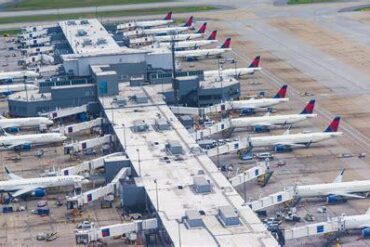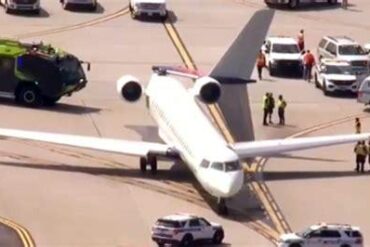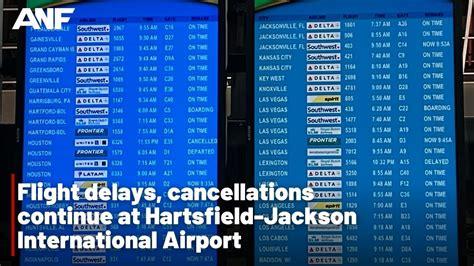
Travel chaos erupted at Atlanta Hartsfield-Jackson International Airport on Sunday, June 15, 2025, as an intense wave of severe thunderstorms led to more than 300 flight delays and cancellations, disrupting operations across the United States and stranding thousands of passengers. The largest hub in the world, Atlanta’s airport became the epicenter of a cascading air travel crisis that impacted airlines including Delta, Air Canada, Frontier, WestJet, Southwest, and several regional carriers.
Thunderstorms Grind Operations to a Halt at World’s Busiest Airport
What began as a routine summer travel day swiftly deteriorated into a logistical nightmare as low cloud ceilings, lightning risks, and poor visibility forced the Federal Aviation Administration (FAA) to initiate ground stops and air traffic slowdowns at Hartsfield-Jackson. Conditions remained volatile throughout the afternoon and evening, halting both arrivals and departures during key operational windows.
By nightfall, the situation had reached critical mass: over 195 Delta flights were delayed and 31 cancelled, representing the single-largest operational hit to any airline that day. Delta Air Lines, whose primary hub is Atlanta, bore the brunt of the storm-induced havoc.
Delta and Frontier Among the Worst-Hit Carriers
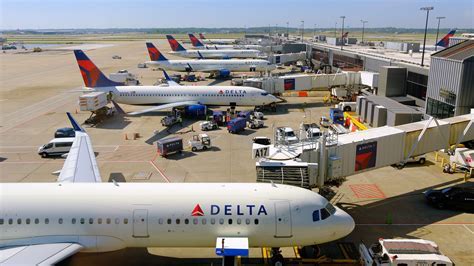
Delta’s heavy footprint at Atlanta meant it suffered extensive disruptions. With nearly 11% of its global schedule affected, the storm’s impact on Delta’s operations was immediate and severe. Frontier Airlines, another frequent operator through Atlanta, reported 14 delayed flights (11% of its operations) and 9 cancellations, which accounted for a significant 7% of its entire Sunday schedule.
Endeavor Air, a regional partner of Delta, struggled as well, with 22 delays and one cancellation, compounding the ripple effect across the Delta network. Smaller but notable carriers such as JetBlue, Key Lime Air, Mesa Airlines, and PSA Airlines experienced similar operational snags as visibility at the airport dropped below safe operating thresholds.
Canadian and International Flights Disrupted
The storm did not confine its wrath to domestic routes. Canadian carriers, including Air Canada and WestJet, were also affected. WestJet reported two delays, amounting to 20% of its daily activity, while Air Canada experienced at least one known delay, forcing international rebookings.
Virgin Atlantic, known for its transatlantic routes out of Atlanta, reported delays on 50% of its scheduled long-haul departures—yet another sign of how broadly the weather impacted operations.
Southwest, United, and Others Feel the Ripple
Southwest Airlines, although not as deeply entrenched in Atlanta as Delta, still suffered 21 delays, affecting 17% of its operations. Despite not recording any direct cancellations, the impact was palpable across the network as gate changes, missed connections, and rerouting became the norm.
Other major U.S. airlines, including United, American Airlines, Spirit Airlines, and SkyWest, were not spared. While they logged fewer cancellations, the domino effect of delays became evident as crew displacements and misaligned aircraft rosters began rippling through hubs in Chicago, Dallas, New York, Orlando, and beyond.
FAA Weather Alerts Confirm Deteriorating Conditions
According to the Terminal Aerodrome Forecast (TAF) from the FAA and National Weather Service (NWS), the airport was under alert for thunderstorm activity and heavy rain between 8:00 PM and 1:00 AM UTC. Visibility during this window deteriorated rapidly, with cloud ceilings dropping to 2,500 feet, well below the standard required for uninterrupted commercial flight activity.
Wind speeds, measured at approximately 13 km/h from the west-northwest, contributed to unstable approaches and limited landing windows. A 30% probability of thunderstorm rain (TSRA) and overcast conditions were forecasted, setting the stage for the widespread operational standstill.
National Domino Effect from a Single Hub
Due to Atlanta’s prominence as a major domestic and international connection point, the disruptions sent shockwaves through the broader U.S. air travel network. Flights were delayed not only at ATL but at critical partner hubs like LaGuardia (LGA), Dallas-Fort Worth (DFW), Chicago O’Hare (ORD), and Orlando International (MCO). Aircraft and crew displacements created scheduling headaches, while ripple delays stranded passengers in hotels and terminals from coast to coast.
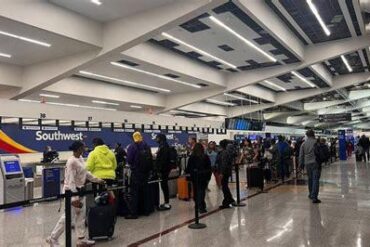
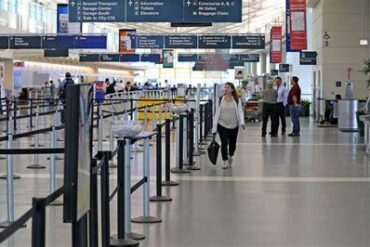
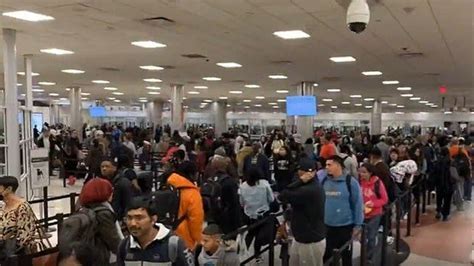
Travelers reported chaotic scenes: long queues at rebooking counters, frequent gate changes, delayed baggage, and limited food and lounge access due to unexpected overnight stays. For many, this was one of the most disrupted travel weekends of the summer.
Impact on Airline Operations and Passenger Experience
Beyond the statistics, the disruption’s human toll was visible everywhere. Families traveling for summer vacations, business travelers on tight itineraries, and connecting international passengers found themselves scrambling for answers in crowded terminals. Many turned to social media to vent frustration, reporting wait times exceeding three hours for customer service or alternate bookings.
Airlines initiated their standard weather waiver policies, allowing free rebookings and extended refund options. However, the sheer volume of affected passengers overwhelmed digital systems and staff, with Delta’s mobile app and customer hotline experiencing significant lag times.
Looking Ahead: Forecasts Show Lingering Risks
The weather forecast suggests gradual improvement overnight, with scattered clouds and light winds by early Monday. However, new low cloud layers are predicted to return by mid-morning, raising concerns about the pace of schedule recovery.
Travelers are urged to remain vigilant. Airlines have advised all passengers flying through or into Atlanta to:
- Monitor flight status closely
- Arrive at the airport earlier than usual
- Take advantage of flexible rebooking options
These measures may mitigate some of the ongoing inconvenience, but operational normalization could take up to 48 hours, especially as aircraft and flight crews are rebalanced across networks.
The Scale of the Disruption: A Statistical Snapshot
As of Sunday evening, 323 total flight disruptions had been recorded—delays and cancellations combined—making this one of the most turbulent days of the month for U.S. air travel, especially at Atlanta. With Hartsfield-Jackson handling over 100 million passengers annually, any sustained disruption reverberates far beyond Georgia.
This latest event underscores the fragility of modern airline scheduling amid increasing weather volatility. Summer thunderstorm systems, often unpredictable and fast-moving, remain a persistent threat to U.S. aviation’s tight operating margins. For passengers and airlines alike, this was yet another reminder of how quickly the world’s busiest airport can grind to a halt.