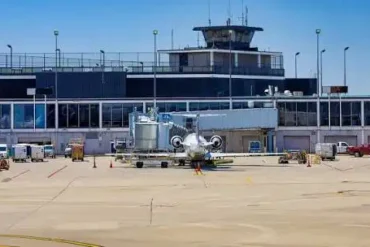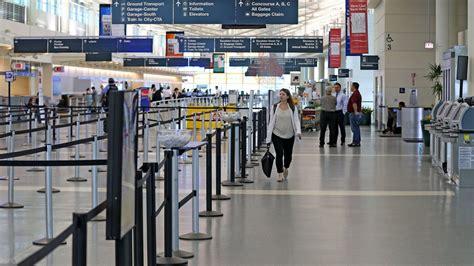
On June 17, a powerful line of thunderstorms swept across the Midwest and forced one of the busiest aviation hubs in the world into a temporary standstill. Severe convective weather prompted the Federal Aviation Administration (FAA) to issue a full ground stop for Chicago O’Hare International Airport (ORD), halting inbound traffic and setting off a chain reaction that ultimately resulted in more than 700 delayed flights and over 100 cancellations. The disruption highlighted how vulnerable the nation’s tightly interconnected airline system remains when severe weather strikes a major hub.
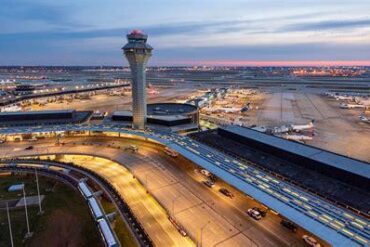
Chicago O’Hare handles approximately 857,000 aircraft movements annually and serves as a critical connection point for airlines including United Airlines and American Airlines. Because of its immense traffic volume, even a relatively short interruption can produce nationwide consequences. The FAA’s ground stop remained active until 2:00 PM, but the lifting of the restriction did not immediately restore normal operations. Instead, authorities transitioned to a ground delay program, with average departure delays reaching 146 minutes.
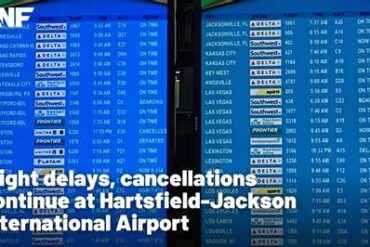
The impact was immediate. By the end of the day, O’Hare had recorded 704 delayed arrivals and 116 cancellations. Hundreds of aircraft remained stuck at departure airports around the country, while travelers faced mounting delays and missed connections.
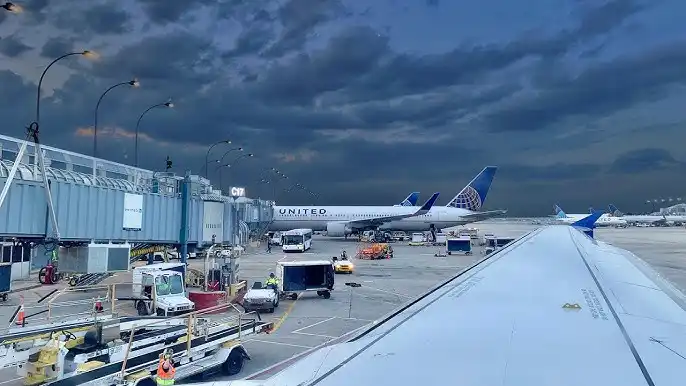
Severe Thunderstorms Forced Air Traffic Restrictions At O’Hare
Thunderstorms pose a unique challenge to air traffic controllers because aircraft cannot safely navigate through active storm cells, lightning, hail, and dangerous wind shear. When weather systems move across O’Hare’s arrival corridors, the FAA reduces the Airport Acceptance Rate, which determines how many aircraft can safely land each hour.
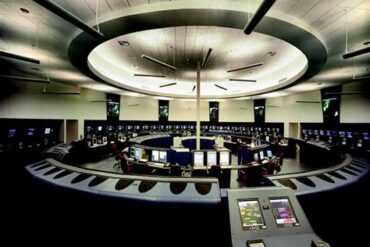
Once capacity falls below demand, traffic managers at the Air Traffic Control System Command Center implement a ground stop. This procedure prevents aircraft from departing their origin airports for Chicago, eliminating the need for excessive airborne holding patterns near dangerous weather.
Ground stops often occur with little warning. Flights already boarding may remain parked at gates, while aircraft waiting to depart can spend extended periods on taxiways. By restricting departures before aircraft become airborne, controllers preserve safety and prevent congestion from escalating into a more serious operational crisis.
For passengers, however, the effect is largely the same: uncertainty, extended waiting times, and rapidly changing schedules.
Why Ground Operations Become Increasingly Complex During Storm Events
Aircraft on the ground face a different set of operational problems than those in the air. Lightning strikes in the vicinity of airport ramps force ground personnel to suspend activities and move indoors. Baggage loading, fueling, catering, and pushback procedures all stop immediately.
Even after the weather improves, restarting operations is far from instantaneous. Aircraft may have accumulated long taxi queues, and gate availability becomes scarce as arriving airplanes compete with delayed departures for limited space.
Pilots must also carefully monitor fuel reserves. Aircraft trapped on taxiways consume fuel while engines continue running. In prolonged delays, additional fueling or repositioning may become necessary, creating another layer of complexity.
Crew scheduling introduces yet another vulnerability. Federal regulations strictly limit pilot and cabin crew duty periods. Those clocks continue running regardless of whether the aircraft is airborne or sitting at a gate. If crews exceed their allowable work limits before departure, airlines are legally required to cancel flights.
Finding replacement crews becomes particularly difficult during widespread disruptions because many reserve personnel are already being used elsewhere in the network.
Millions Of Dollars In Costs Accumulate Within Hours
Weather disruptions carry enormous financial consequences. Commercial aircraft are expensive assets that generate revenue primarily when flying. Grounded airplanes continue to incur lease expenses, maintenance costs, labor payments, and depreciation regardless of whether they are transporting passengers.
Industry figures from Airlines for America indicate that operational delays cost U.S. airlines an average of $100.76 per minute. Labor accounts for approximately $35.23 per minute, fuel represents about $33.06, and maintenance adds another $18.30.
When those figures are multiplied across more than 700 flights delayed by an average of 146 minutes, the financial losses quickly climb into the millions.
The disruption also affects airport infrastructure. O’Hare regularly experiences gate occupancy rates exceeding 90 percent during peak periods. Aircraft arriving while departures remain frozen often find no available gates and must wait on taxiways with engines running.
This congestion delays baggage transfers and can force diversions to alternate airports such as Milwaukee or Indianapolis, further increasing operational expenses.
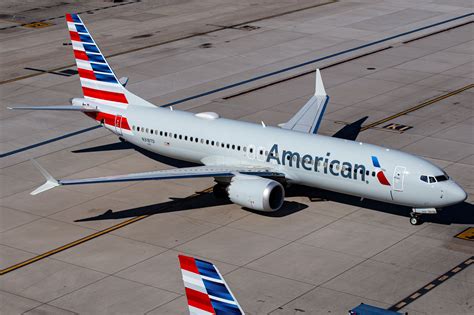
O’Hare Functions As A Critical Hub For The Entire US Network
The significance of disruptions at Chicago O’Hare extends far beyond Illinois. The airport serves as one of the primary hubs in the American hub-and-spoke system, where aircraft perform multiple flights throughout the day.
A jet departing Chicago at noon may continue to Boston in the afternoon before operating another service to Los Angeles later that evening. A delay affecting the first segment can ripple through every subsequent flight.
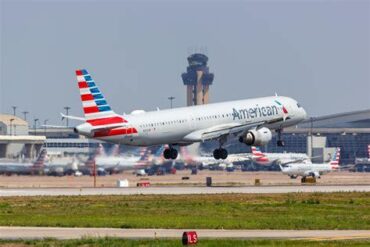
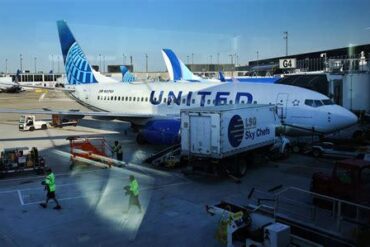
That pattern became evident during the June 17 storm event. United Airlines accumulated 873 delays throughout its network, while American Airlines recorded 793 delays. Many of those disruptions occurred hundreds or even thousands of miles away from the Midwest and involved airports unaffected by severe weather.
Passengers in Florida, California, Texas, and the Northeast experienced schedule interruptions because aircraft and crews were no longer positioned where planners expected them to be.
This interconnectedness makes major hubs like O’Hare essential arteries within the national aviation system.
Recovery Takes Days Rather Than Hours
Although thunderstorms may pass quickly, the resulting disruption often lingers long afterward. Airlines operate with high load factors, generally between 79 and 85 percent, leaving little spare capacity available for rebooking displaced passengers.
Missed connections, crew shortages, aircraft positioning challenges, and limited gate availability combine to create a backlog that can persist for several days.
Airlines gradually restore normal operations by repositioning aircraft and crews while accommodating stranded passengers on later flights. However, complete recovery from a major weather event cannot happen instantly.
The June 17 thunderstorms demonstrated how a relatively brief ground stop at Chicago O’Hare can ripple across the country’s aviation network. More than 700 delayed flights and over 100 cancellations underscored the fragile balance that keeps modern airline schedules functioning. As summer thunderstorm season intensifies, similar disruptions remain an unavoidable reality for carriers and travelers alike, reminding the industry that weather continues to be one of aviation’s most powerful and unpredictable challenges.