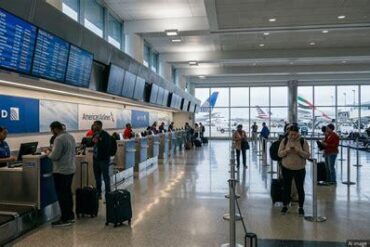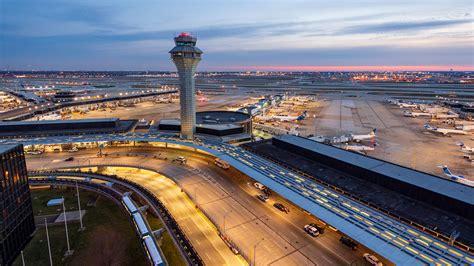
Chicago O’Hare International Airport has long been one of the busiest and most complex aviation hubs in North America. With thousands of daily departures and arrivals connecting passengers across the United States and around the world, the airport’s operations often push the limits of available infrastructure and airspace management. Now, the Federal Aviation Administration (FAA) is taking decisive action to prevent operational gridlock during the upcoming peak travel season.
Facing persistent air traffic control staffing shortages and rising passenger demand, the FAA has ordered airlines to reduce scheduled flights at Chicago O’Hare International Airport (ORD) by more than 300 daily operations during the summer months. The move is designed to stabilize the air traffic system, reduce cascading delays, and ensure safer, more predictable travel for millions of passengers.
The FAA’s Summer Flight Cap Strategy
The FAA directive will temporarily cap the total number of flights at 2,708 per day, a notable reduction from the 3,080 flights originally scheduled during peak summer days in 2026. The restrictions will apply between May 17 and October 24, which covers the busiest travel period of the year.
This policy effectively forces airlines to scale back schedules during peak hours, particularly in the early morning and late afternoon windows when airport traffic historically surges. Instead of allowing carriers to operate at maximum capacity, the FAA aims to maintain a manageable flow of aircraft that aligns with the available workforce in air traffic control towers and regional control centers.
The decision reflects a growing reality in the aviation sector: airport capacity is not determined solely by runways or terminals but also by the number of qualified controllers guiding aircraft through crowded airspace.
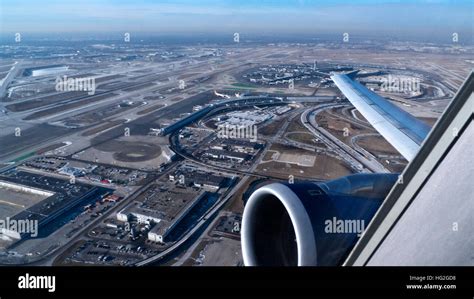
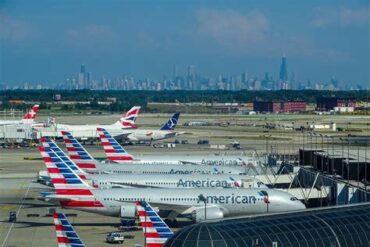
Chicago O’Hare is especially vulnerable to operational strain because it functions as a major hub for both United Airlines and American Airlines, which schedule large banks of connecting flights. When delays begin to ripple through this system, they can quickly spread across the entire national air network.
Air Traffic Controller Shortages Behind the Cuts
At the center of the FAA’s decision lies a critical workforce challenge: the nationwide shortage of trained air traffic controllers. Staffing gaps have become a persistent issue in recent years, affecting several key airports across the United States.
Training a certified air traffic controller is an intensive process that can take several years of education, simulation training, and on-the-job supervision. As a result, even aggressive hiring initiatives cannot immediately fill the current shortage.
For a high-density airport like O’Hare, this shortage has real operational consequences. Each controller is responsible for safely managing dozens of aircraft simultaneously, coordinating arrivals, departures, and aircraft movements across multiple runways and surrounding airspace sectors.
When staffing levels fall below optimal thresholds, maintaining safety requires limiting the number of aircraft in the system.

Rather than risking uncontrolled congestion, the FAA is choosing to reduce demand at the source—flight schedules themselves. By lowering the total number of daily operations, controllers can manage traffic more efficiently, minimizing the likelihood of severe delays or emergency spacing measures.
Preventing Cascading Delays at One of America’s Busiest Airports
Chicago O’Hare consistently ranks among the top five busiest airports in the world for aircraft movements. Its complex runway layout and central location make it an essential transfer point for domestic and international travelers.
However, the airport’s intense activity also makes it extremely sensitive to disruption. During peak travel seasons, even minor problems—such as thunderstorms, mechanical delays, or airspace congestion—can trigger a chain reaction of delays.
A tightly packed schedule leaves little room for recovery. When one flight arrives late, the delay can cascade through dozens of connecting flights waiting for gates, crew members, or aircraft repositioning.
By trimming more than 300 daily flights, the FAA intends to introduce breathing room into the system.

This operational buffer allows air traffic controllers and airline operations teams to absorb unexpected disruptions without allowing them to spiral into system-wide gridlock. The strategy emphasizes operational reliability over maximum throughput, a shift that regulators believe will benefit travelers in the long run.
Potential Impact on Airlines and Travelers
While the policy aims to improve reliability, it will also reshape airline operations at O’Hare. Carriers will need to restructure flight schedules, consolidate routes, and potentially redeploy aircraft across their networks.
Passengers may experience several immediate changes, including:
- Reduced availability on certain routes
- Higher ticket prices due to tighter seat capacity
- Greater use of larger aircraft to carry more passengers per flight
Airlines may also prioritize high-demand routes and major hub connections, which could lead to reduced frequency for secondary destinations.
Despite these adjustments, the FAA believes travelers could ultimately benefit from fewer cancellations and shorter delays. Instead of waiting hours for a departure slot during congested conditions, flights operating within the reduced schedule are expected to move more efficiently through the system.
Government Perspective on Managing Airport Congestion
US Transportation Secretary Sean Duffy emphasized that the strategy has already delivered measurable improvements at other major airports. According to the Department of Transportation, a similar capacity management approach helped stabilize operations at Newark Liberty International Airport, significantly improving on-time performance in the region.
The government’s message is clear: reducing overscheduled flight volumes can create a more reliable aviation system.
Rather than forcing controllers to manage unrealistic traffic levels, regulators prefer a model where airlines schedule flights that align with actual operational capacity.
Slot Flexibility and Airline Network Planning
In many cases, airlines depend on valuable takeoff and landing slots at busy airports like O’Hare. Normally, carriers risk losing those slots if they fail to operate scheduled flights. However, regulators often grant temporary waivers during extraordinary circumstances.
Such flexibility allows airlines to reduce operations without permanently forfeiting their long-term scheduling rights. This safeguard is particularly important for maintaining international routes and complex hub networks.
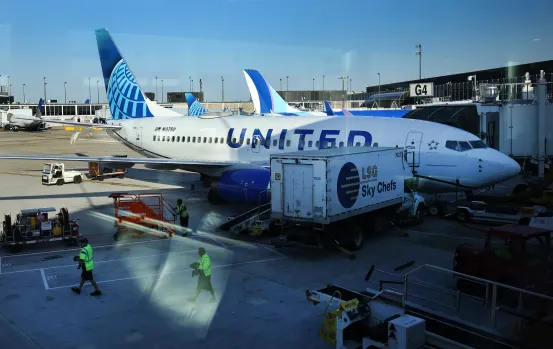
Carriers will likely spend the coming weeks refining their schedules to match the FAA’s new capacity limits while protecting critical routes and connections.
A Broader Challenge Facing the U.S. Aviation System
The situation at Chicago O’Hare highlights a broader issue confronting the aviation industry: balancing growing travel demand with limited infrastructure and workforce resources.
Passenger numbers have rebounded strongly in recent years, pushing airports and airlines toward record levels of activity. At the same time, aviation authorities continue to address staffing gaps, aging infrastructure, and evolving safety requirements.
Efforts are underway to recruit and train more air traffic controllers, but the benefits of those initiatives will take years to fully materialize. Meanwhile, modernization programs aimed at improving air traffic management technology may help increase efficiency over time.
Until then, capacity-management measures such as the O’Hare summer flight cap may become an increasingly common tool for regulators seeking to maintain stability across the national airspace system.
A Summer Travel Season Focused on Reliability
For travelers passing through Chicago this summer, the new policy represents a trade-off: fewer flights but potentially smoother journeys.
The FAA’s proactive approach aims to reduce the severe congestion that has historically plagued the airport during peak travel periods. By aligning flight schedules with the available workforce, regulators hope to prevent the widespread disruptions that frustrate passengers and strain airline operations.
While some travelers may encounter fewer flight options, the broader goal is clear—a more reliable and predictable travel experience at one of the busiest airports in the world.