Over the weekend of June 29–30, a relentless weather system paralyzed the U.S. aviation network, forcing the cancellation or delay of more than 5,200 flights at 18 major airports. Thunderstorms, lightning strikes, and low visibility triggered ground stops, air‐traffic flow restrictions, and safety holds, leaving thousands of passengers stranded and airlines racing to restore normal operations.
Passengers at Charlotte Douglas International (CLT) and Hartsfield-Jackson Atlanta (ATL) bore the brunt of the storm’s fury. At CLT alone, American Airlines and its affiliates faced 483 delays and 60 cancellations, while Atlanta saw 574 delays and 60 cancellations, with Delta Air Lines logging 377 of those delays. From the Southeast to the Northeast, hubs such as Dallas-Fort Worth (283 delays, 14 cancellations), Chicago O’Hare (308/11), and New York’s JFK (173/21) and LaGuardia (174/15) all reported significant service interruptions.
Smaller regional carriers compounded the chaos. PSA Airlines, Piedmont, Endeavor, Republic, and Envoy Air experienced delay rates exceeding 30 percent on key commuter routes, amplifying knock-on effects throughout the national network.
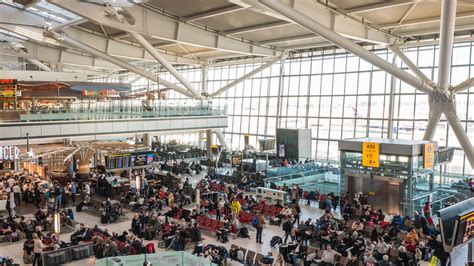
Nationwide Storm Forces Major Carriers into Crisis Mode
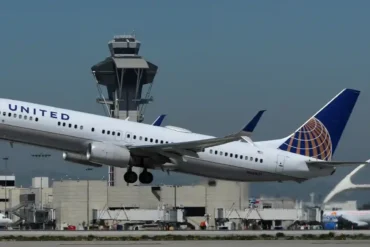
Delta, American, United, JetBlue, Spirit, and over 75 other domestic and international airlines found their schedules in tatters. Delta recorded more than 500 delays across multiple hubs, while American surpassed 450 delays, particularly at CLT and DFW. United Airlines felt the impact most acutely at Newark (200 delays, 9 cancellations) and San Francisco (111/9), and JetBlue grappled with disruptions at JFK, Boston Logan (207/19), and Fort Lauderdale (142/9).
The FAA implemented several traffic management programs—ground stops in Charlotte, Atlanta, and New York, plus flow‐rate restrictions—to safeguard operations. These safety measures, while necessary, extended delays well into Sunday evening and spilled over into Monday morning, requiring airlines to redeploy crews, reassign aircraft, and activate contingency plans.
East Coast Airports Hit Hardest by Severe Weather
Along the Eastern Seaboard, weather-induced chaos was at its peak. Charlotte’s thunderstorms grounded dozens of flights, while Atlanta’s persistent lightning forced multiple ground holds. New York’s tri-state airports together experienced over 547 delays and 45 cancellations as Mid-Atlantic storm cells swept through.
Washington-area travelers faced their own set of challenges: Reagan National saw 170 delays and 40 cancellations, mostly among regional partners PSA and Republic, and Dulles reported 109 delays and 18 cancellations affecting United, Emirates, and Frontier. Even Boston Logan, often spared severe disruptions, recorded 207 delays and 19 cancellations amid dense low ceilings and wind shear.
Midwest and West Coast Operations Disrupted
Chicago O’Hare, a linchpin of American and United networks, recorded 308 delays and 11 cancellations as inbound flow controls created tarmac logjams. Detroit Metro logged 126 delays and 20 cancellations, largely impacting Delta and Endeavor. Further west, shifting cloud bases and gusty crosswinds at LAX contributed to 193 delays and 10 cancellations, with Alaska Airlines, United, and Delta most affected. San Francisco’s coastal fog and low clouds resulted in 111 delays and 9 cancellations, disrupting both domestic and international carriers.
Behind the Numbers: Airline Breakdown by Impact
The sheer scale of disruption is best understood through airline-specific figures:
- Delta Air Lines: Over 500 delays across ATL, DTW, LAX, SFO, and other hubs.
- American Airlines: More than 450 delays at CLT, DFW, ORD, JFK, and beyond.
- United Airlines: Major setbacks at EWR, ORD, SFO; over 100 delays per key hub.
- JetBlue: Significant impacts at JFK, BOS, FLL; lower‐visual operations hampered turnaround times.
- Spirit Airlines: Disruptions concentrated at FLL, DTW, LGA; ramp closures slowed departures.
Regional affiliates—PSA, Piedmont, Envoy, Republic, Endeavor—saw some of the highest delay percentages on critical East Coast feeder routes, creating a ripple effect that extended into national and international schedules.
The Meteorological Catalyst: Storm System Anatomy
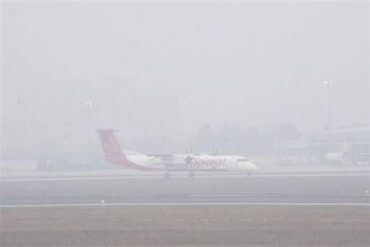
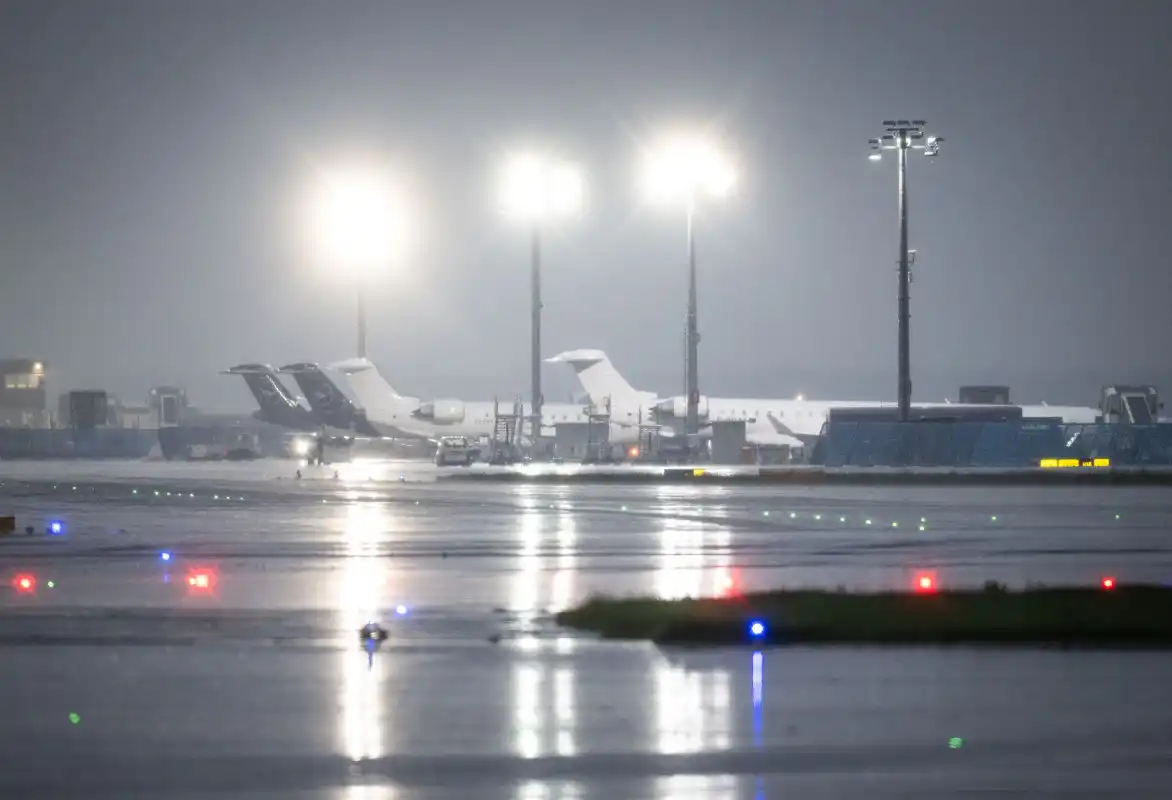
A sprawling low-pressure system advanced slowly from the Midwest through the Southeast, drawing in humid Gulf air that fueled severe thunderstorms, torrential downpours, lightning clusters, and gust fronts. These conditions reduced visibility below safe thresholds and overwhelmed airport drainage systems, prompting repeated ground stops. The FAA’s flow-control advisories limited slot release rates, ensuring safety but prolonging queues on runways and taxiways.
Passenger Experience: From Frustration to Contingency Support
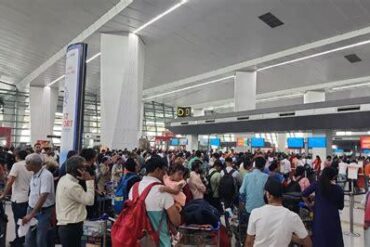
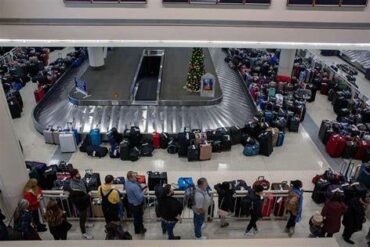
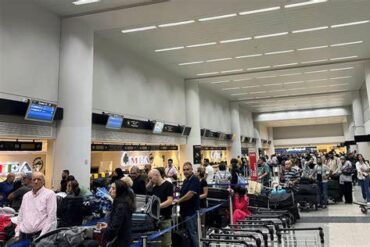
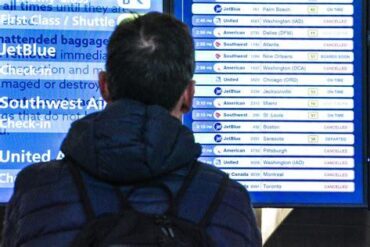
With summer travel demand at its peak, thousands faced abrupt itinerary changes. Long lines snaked through ticket counters as travelers sought rebooking options and clarification on flight statuses. Many overnighted in airport terminals or local hotels, assisted by airline-issued vouchers. Social media platforms filled with real-time passenger accounts, highlighting system strain and communication delays.
Airlines deployed contingency teams to expedite hotel placements, meal vouchers, and waiver extensions for rebooking. Still, the sheer volume of disruptions meant some passengers waited hours for gate-agent support or algorithmic rerouting prompts via mobile apps.
Looking Ahead: Lingering Delays and Traveler Recommendations
Meteorologists predict the central storm axis will linger over the Northeast and Southeast into early July, carrying the risk of further residual delays. Airlines warn that pockets of congestion may persist as they rebalance aircraft rotations and crew schedules.
Travelers should:
- Verify flight statuses within 24 hours of departure.
- Enroll in real-time alerts via airline apps and SMS.
- Consider travel insurance with weather-related coverage.
- Plan for extended layovers if flying through major hubs.
By staying informed and proactive, passengers can mitigate the fallout from this unprecedented wave of weather-induced flight disruptions.
Conclusion: Weather’s Unyielding Grip on U.S. Aviation
This severe storm event underscores the vulnerability of even the most robust air‐traffic systems to nature’s volatility. As airlines and regulators collaborate on recovery, the critical takeaway for travelers remains vigilance: check ahead, stay flexible, and prepare for possible adjustments in an evolving operational environment.