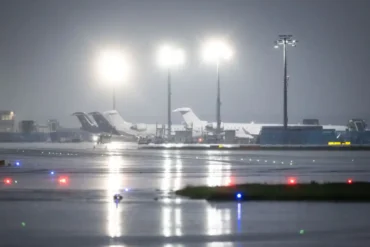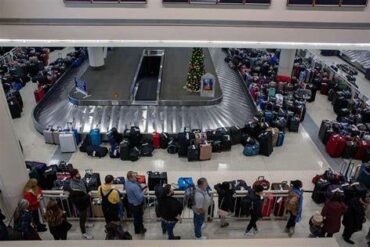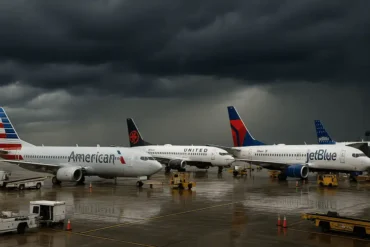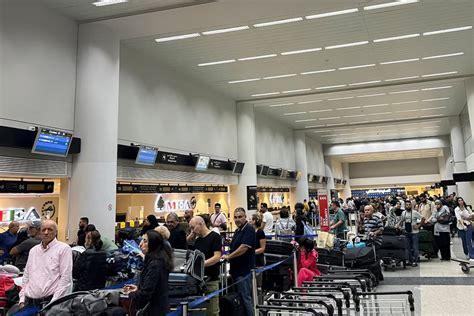
Flights operated by Asia and Middle East airlines have encountered major disruptions across Canada’s busiest airports—Toronto, Vancouver, and Montreal—as a ferocious weather system paralyzed operations, grounded aircraft, and left thousands of international travelers in limbo. Airlines affected include Japan Airlines, Emirates, Qatar Airways, Philippine Airlines, China Eastern, Cathay Pacific, Korean Air, EgyptAir, and others, all of which struggled to maintain schedules amid freezing conditions and logistical bottlenecks.
Toronto Pearson: Ground Zero for Global Delays
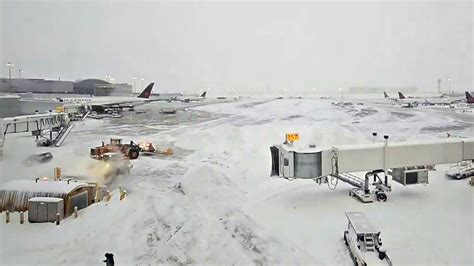
As Canada’s busiest aviation hub, Toronto Pearson International Airport faced the brunt of the atmospheric assault. The numbers alone underscore the chaos: 283 flight delays and 36 cancellations in a single day. These disruptions sent shockwaves through international networks, particularly for Asia-bound and Middle East-bound passengers connecting through Toronto.
Japan Airlines, a major carrier on the transpacific corridor, was forced into delays that jeopardized onward travel plans to Tokyo. Emirates, known for its flagship A380 service to Dubai, experienced ground delays exacerbated by slow de-icing operations. China Eastern also reported late departures, adding stress to an already crowded air traffic system.
Other affected carriers included Cathay Pacific, Korean Air, and EgyptAir—all of which operate long-haul routes that leave little margin for schedule deviation. Even relatively smaller presences like Bangladesh Biman and China Southern were not spared, reporting isolated but consequential delays.
Vancouver’s Transpacific Bottleneck
Out on Canada’s West Coast, Vancouver International Airport (YVR) witnessed 277 flight delays and 23 cancellations. For airlines with strong ties to East and Southeast Asia, this created massive bottlenecks.
Philippine Airlines, a staple in the Manila-Vancouver route, reported hours-long delays that rippled through its regional connections. EVA Air, Cathay Pacific, and Hong Kong Airlines all experienced setbacks that stranded passengers and created acute aircraft misplacements.

Particularly hard-hit was ZIPAIR, the budget arm of Japan Airlines, which had to suspend its single daily service entirely. Korean Air and Qatar Airways also faced gate reassignments and extended tarmac holding due to reduced runway visibility and slow boarding processes.
Montreal: Continental Gridlock from North Africa to East Asia
Although Montreal-Trudeau International Airport sees fewer Asia-originating flights than its western counterparts, the city still logged 186 delays and 20 cancellations. The impact here was particularly acute for airlines connecting Canada to the Middle East and North Africa.
Tunis Air and EgyptAir saw their operations severely affected. These carriers, often with limited frequencies, could not afford to lose operational time without causing substantial network disruptions. Emirates, operating a daily service to Dubai from Montreal, encountered significant ground operation delays due to poor visibility and freezing fog.
Adding to the congestion were Royal Air Maroc and Air Algerie, further demonstrating the storm’s cross-regional impact that even extended into Mediterranean aviation corridors.
Cumulative Operational Impact on Long-Haul Airlines
Though no full-day cancellations were recorded for the Asia and Middle East carriers, 21 individual delays were logged among them—a figure that underrepresents the cascading effects such disruptions cause for long-haul flights.
A transcontinental aircraft delay doesn’t merely inconvenience a handful of travelers; it affects hundreds per flight, along with downstream crews, airport slots, and code-shared itineraries. In some cases, one late departure from Toronto or Vancouver meant rerouted aircraft and cancelled flights the following day in cities like Doha, Tokyo, Seoul, and Manila.
Among the major airlines, the breakdown was as follows:
- Japan Airlines – 1 delay
- Emirates – 2 delays
- Qatar Airways – indirect delays via connecting partners
- Philippine Airlines – 2 delays
- China Eastern Airlines – 1 delay
- Cathay Pacific – 2 delays
- Korean Air – 2 delays
- EgyptAir – 1 delay
- ZIPAIR – 1 delay (full disruption)
- China Southern Airlines – 1 delay
- Hong Kong Airlines – 1 delay
- EVA Air – 1 delay
- Bangladesh Biman – 1 delay
- Tunis Air – 2 delays
While these numbers might seem moderate, the operational complexity of these routes—high aircraft turnaround times, international crew regulations, and customs protocols—means even brief interruptions cascade into days-long logistical headaches.
Meteorological Roots of Aviation Mayhem
The weather system that brought Canada’s aviation system to a crawl wasn’t just a snowstorm—it was a multifaceted meteorological assault. Freezing rain, low cloud ceilings, and fierce crosswinds combined to challenge even the most seasoned ground crews.
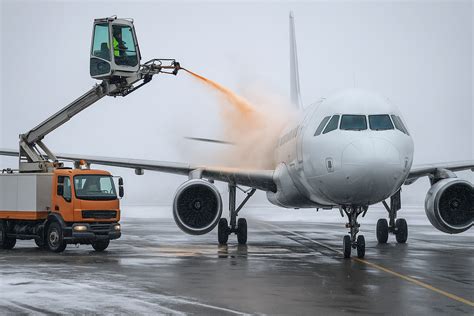
Aircraft required extensive de-icing procedures, which were further delayed by reduced visibility and slippery tarmac conditions. Airports resorted to holding aircraft on the ground for extended periods, waiting for windows of clarity, while arriving planes circled in holding patterns due to runway congestion.
Passenger Chaos and Rebooking Nightmares
Travelers aboard affected airlines shared their frustrations online, particularly those booked on Japan Airlines, Emirates, and Philippine Airlines. Common grievances included poor communication, missed connections, and lack of accommodation support. As rebooking requests surged, airline apps and hotlines became overwhelmed.
Some passengers were rerouted through Calgary, New York (JFK), or Chicago O’Hare, while others were forced to wait overnight. Hotels in airport zones filled up rapidly, leaving late-arriving travelers to sleep in terminals or scramble for last-minute lodging.
Customer service desks at all three airports became overwhelmed as agents struggled to rebook hundreds of affected passengers while managing limited seat availability.
Recovery Outlook and What Comes Next
Meteorological forecasts indicate improving skies in the immediate term, allowing airports and airlines to begin the recovery process. Carriers have started repositioning aircraft and crews to high-demand hubs and reissuing itineraries to affected passengers.
However, the pace of recovery is uneven. Airlines like Bangladesh Biman, Tunis Air, and ZIPAIR, which do not operate daily services, will face greater delays in normalizing their schedules. Passengers booked on these less frequent routes may experience delays lasting multiple days.
Lessons from the Grounded Skies
This event underscores a critical vulnerability in global aviation: regional weather extremes can destabilize global routes. In a networked system where a flight delay in Toronto can unravel connections in Dubai, Tokyo, or Cairo, the stakes of even a single storm are colossal.
Asia and Middle East carriers—despite world-class fleets and robust infrastructure—are not immune. The complexity of long-haul scheduling, compounded by limited airport slots and strict crew timing rules, makes them especially susceptible to cascading failures.
Airports and airlines alike will need to re-evaluate their contingency planning, communication protocols, and snow-and-ice preparedness strategies. As climate volatility increases, so too does the risk to transcontinental aviation.
Passengers are advised to remain vigilant, stay connected to real-time updates, and be prepared for extended wait times and alternate rebooking scenarios. The situation, while stabilizing, has left an indelible mark on airline operations, particularly those bridging Asia and the Middle East with North America.
Final Word: Global Reach, Local Weakness
The storm that brought 1,100+ flights to a standstill was a stark reminder: even the most connected global airline systems rely on the smooth functioning of local operations. When one link in the chain fails—be it Toronto’s icy runways, Vancouver’s de-icing delays, or Montreal’s low visibility—the reverberations are felt from Beijing to Doha.
For travelers and carriers alike, this week’s events underline a simple but powerful truth: no airline, no matter how distant its origin, flies in isolation from the weather systems that shape our increasingly fragile skies.