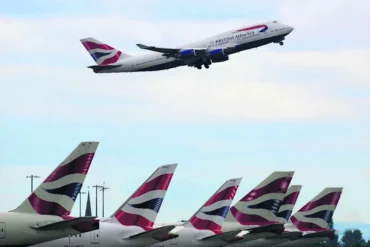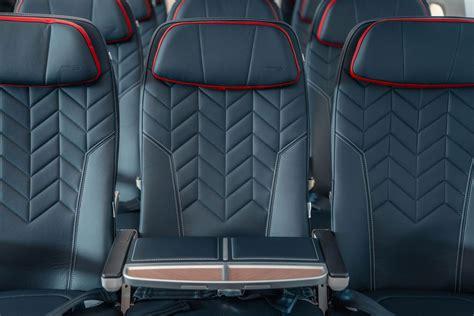
British Airways is taking a different approach in Europe’s increasingly aggressive short-haul fare battle. While low-cost carriers continue to expand with cheaper point-to-point fares, the UK flag carrier is placing greater emphasis on its premium short-haul product to protect revenue and improve profitability. The strategy comes as parent company International Airlines Group (IAG) reduces European capacity by nearly 3%, reflecting a more cautious approach in a highly competitive market.
The European short-haul sector has become one of the most challenging areas for traditional network airlines. Carriers such as easyJet, Ryanair, and Wizz Air have built strong positions by focusing on low fares, frequent flights, and secondary airports. To compete more directly, British Airways even created BA Euroflyer at London Gatwick, allowing the airline to operate a more flexible short-haul model while targeting leisure passengers.
However, IAG’s latest financial results indicate that British Airways has found an advantage through higher-value travelers. Despite pressure from rising fuel costs and intense competition, the airline’s premium offering at London Heathrow has delivered short-haul yield improvements, helping offset some of the financial challenges affecting European operations.
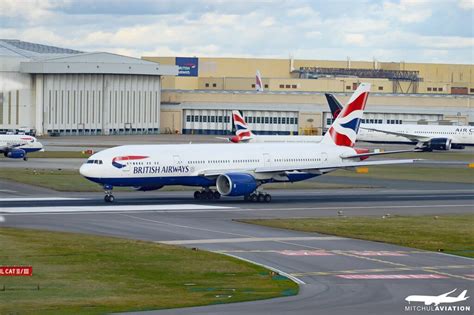
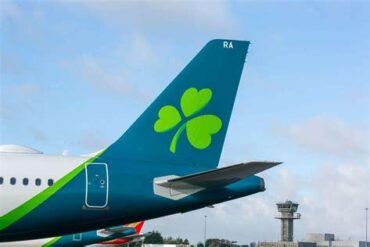
IAG’s European network represents a major part of its business, with short-haul routes accounting for around 30% of the group’s capacity. The company operates several major European airlines, including British Airways, Aer Lingus, Iberia, LEVEL, and Vueling. Together, these carriers serve domestic markets and intra-European routes where competition has intensified significantly.
During the first half of 2026, IAG reduced its European capacity by 2.8%. The reduction was not simply a response to weaker demand but also reflected operational challenges and efforts to protect profitability. The group noted that capacity growth in some markets made it difficult to fully recover increased fuel costs through higher ticket prices.
Premium Travelers Become More Valuable In The Short-Haul Market
British Airways’ focus on premium passengers highlights a broader shift among legacy airlines. Instead of competing purely on ticket price, network carriers are attempting to attract customers willing to pay more for additional comfort, flexibility, and airport services.
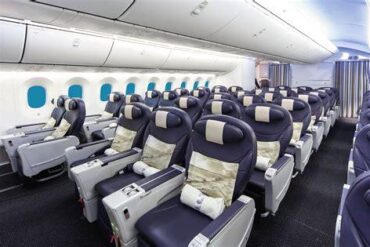
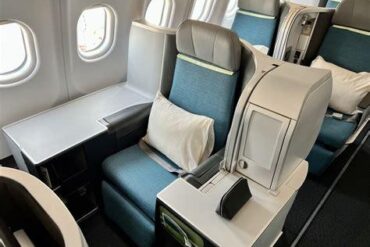
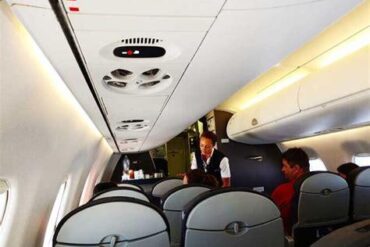
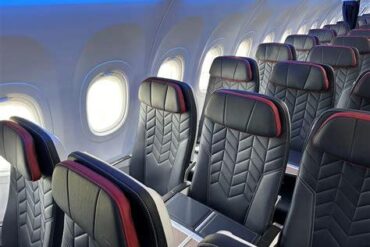
On European routes, British Airways offers its Club Europe business class cabin on narrowbody aircraft. While it does not feature the large reclining seats found on long-haul business class aircraft, the product provides several advantages designed for corporate and higher-spending leisure travelers.
Passengers receive access to airport lounges, priority check-in and boarding, additional baggage allowance, enhanced catering, and a more flexible travel experience. The cabin uses the common European business class configuration, where the middle seat remains blocked to provide additional personal space.
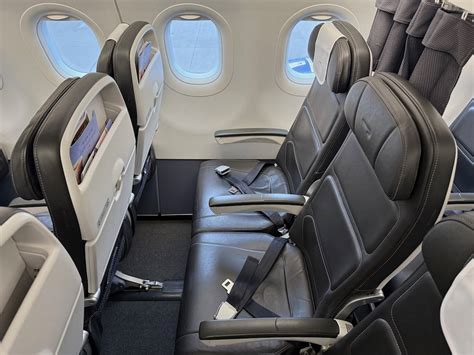
This approach allows British Airways to adjust the size of its premium cabin depending on demand. During periods when business travel is stronger, more seats can generate higher yields, while leisure-heavy flights can be optimized for economy passengers.
Although European business class seating has received criticism because it does not match the dedicated first-class style available on some US domestic routes, airlines continue using the flexible model because it balances revenue opportunities with operational efficiency.
Low-Cost Competition Forces IAG To Protect Profits
The pressure from low-cost airlines is unlikely to disappear. IAG expects European short-haul competition to remain intense, particularly in price-sensitive leisure markets such as routes connecting major European cities with destinations in Spain.
The group highlighted that certain markets experienced significant capacity growth, creating additional pressure on fares. As a result, IAG plans to continue reviewing its network decisions, especially for future winter schedules, with profitability remaining a key priority.
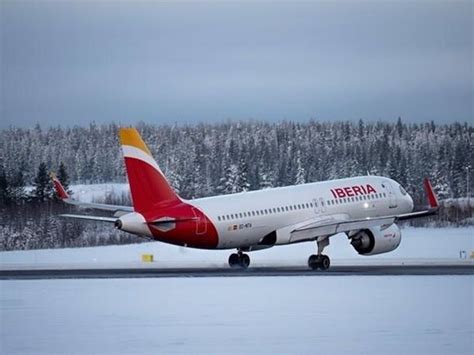
Not all short-haul markets have struggled. In Spain, IAG experienced stronger results due to unusual market conditions. Disruptions affecting rail travel increased demand for domestic flights, benefiting both Iberia and Vueling. Spanish domestic capacity increased by 2.3%, while unit revenue improved by 8.1%.
These results show that demand patterns can vary significantly across European markets. While some leisure routes face heavy fare competition, others continue producing strong returns when airlines match capacity with changing passenger behavior.
British Airways’ Strategy Moves Beyond Low-Fare Competition
British Airways’ decision to prioritize premium short-haul revenue reflects a broader industry trend. Legacy carriers are increasingly avoiding direct battles with ultra-low-cost airlines and instead focusing on areas where they can offer additional value.
For British Airways, Heathrow’s strong corporate market and global connectivity provide a foundation that low-cost competitors cannot easily replicate. By protecting premium demand while carefully controlling capacity, the airline aims to maintain stronger yields even when economy fares remain under pressure.
The European short-haul market will likely remain a difficult environment, but British Airways is betting that passengers seeking reliability, convenience, and premium services will continue to pay more. As IAG manages capacity and competition, the airline’s premium strategy could become one of its most important tools for defending profitability in Europe.