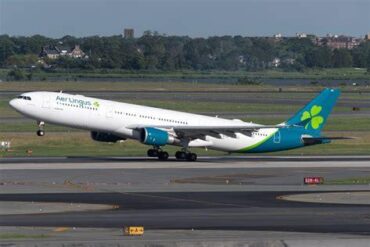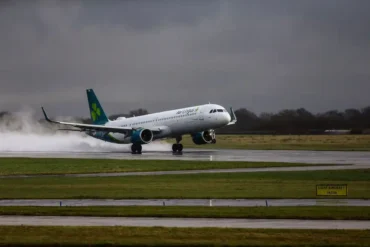
After enduring weeks of transatlantic travel volatility, International Airlines Group (IAG), the parent company of Aer Lingus, reports signs of renewed stability and a slow but tangible recovery. The group, which also owns British Airways, Iberia, and Vueling, had faced significant headwinds in recent months due to economic uncertainties, tariff-induced disruptions, and a shift in consumer travel behavior, particularly in the economy travel segment.
In a recent interview with Bloomberg Television, IAG Chief Executive Luis Gallego explained that the last three weeks have offered some clarity in what had been an increasingly murky transatlantic travel landscape. The earlier weakness, he said, had been “noticeable” and largely centered around economy cabins from the US. However, there is now evidence of improving demand, especially as travelers and corporations begin adjusting to the new geopolitical and economic frameworks.
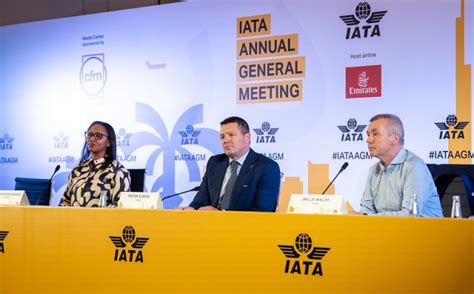
Transatlantic Demand Softness: Causes and Consequences
The slowdown in transatlantic bookings was not a random occurrence. The industry saw a noticeable dip following the imposition of US tariffs on various global trading partners, an economic policy spearheaded by former President Donald Trump. This move had ripple effects across several industries, including aviation. According to Gallego, business travel took an especially hard hit. Companies, faced with increased costs and uncertainty, chose to delay or cancel travel plans, a pattern clearly observable in corporate booking data.
Moreover, this traveler hesitancy was exacerbated by a broader uncertainty clouding the global economy. Travelers, particularly those opting for budget-friendly tickets, were reluctant to commit to international itineraries. Airlines like Air France-KLM and Lufthansa also reported similar softening in their low-fare seat sales, confirming the trend was industry-wide rather than isolated to IAG alone.
Premium Travel Resilience Amid Economic Shifts
Despite the setbacks in economy bookings, demand for premium cabins held firm. This bifurcation in the market, where high-income travelers continue to fly while price-sensitive segments hesitate, is becoming a hallmark of post-pandemic airline economics. The demand for first-class and business-class seating, bolstered by pent-up leisure travel and resilient corporate commitments in some sectors, continued to contribute to IAG’s revenue stability.
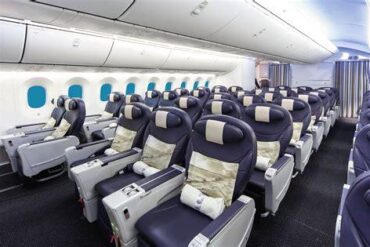
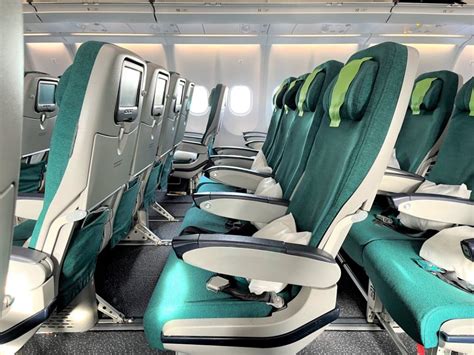
This premium strength is particularly important for Aer Lingus, which has over recent years invested heavily in upgrading its transatlantic product, including lie-flat business seats and enhanced onboard services. These upgrades have allowed the Irish carrier to compete aggressively not just on price, but on service quality — a critical distinction in volatile market conditions.
Fleet Expansion Reflects Long-Term Optimism
While short-term demand fluctuations are notable, IAG’s strategic direction indicates long-term confidence in the transatlantic market. In a major move last month, the airline group announced significant wide-body aircraft orders from both Boeing and Airbus. These purchases were not reactionary but part of a carefully orchestrated growth plan that seeks to future-proof the group’s intercontinental connectivity.
Importantly, Gallego emphasized that this aircraft acquisition strategy was independent of tariff uncertainties. The group has worked diplomatically to ensure that its operations, particularly those involving British Airways and Boeing deliveries, are not hampered by duty concerns. Following the UK-US trade agreement, IAG now benefits from duty-free aircraft imports, an outcome that both reduces costs and enhances fleet planning flexibility.
Aer Lingus Betting Big on Summer Season Surge
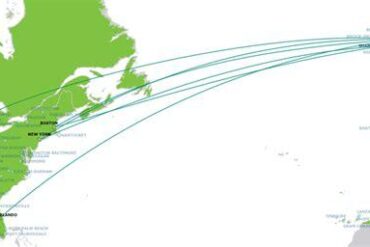
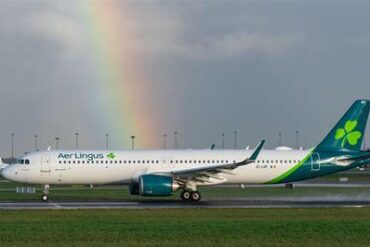
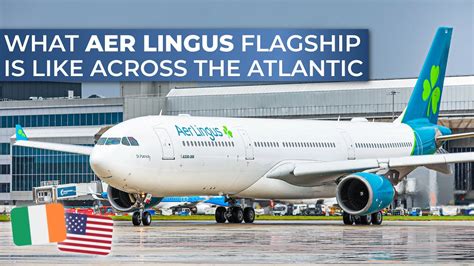
At the heart of IAG’s recovery narrative is Aer Lingus’s calculated gamble on a robust summer season. The Irish carrier, which narrowed its Q1 losses to €55 million, is concentrating its efforts on key summer transatlantic routes — a historically profitable corridor. Part of this strategy includes the launch of new direct services to destinations such as Nashville, which diversifies its US footprint beyond established gateways like New York and Boston.
In a bold move, Aer Lingus has also added Cancun, Mexico, to its network. While traditionally a hotspot for American tourists, the route is expected to attract Irish and European leisure travelers looking for new beach destinations. The route expansion also serves to strengthen Aer Lingus’s North American connectivity, offering both point-to-point options and potential feed for its wider IAG network.
Unpacking the Role of Macroeconomic Uncertainty
When asked about the root cause of the recent slump in US-to-Europe traffic, Gallego pointed to one word: uncertainty. The aviation industry thrives on predictability, and the cascading effects of tariff wars, inflation fears, and shifting government policies have taken a toll on consumer confidence. The uncertainty doesn’t just affect travelers; it also disrupts airline planning cycles, particularly when it comes to capacity allocation, fleet deployment, and pricing strategies.
While tariffs served as a flashpoint, their broader consequence has been to cast doubt over the stability of transatlantic trade and travel. Travelers, especially business-class flyers tied to export industries, responded by tightening travel budgets. This phenomenon underscores the interconnectedness of aviation and international policy, making IAG’s diversification strategy all the more prescient.
IAG’s Multinational Structure: A Strategic Advantage
As one of the most diversified airline groups in the world, IAG is uniquely positioned to weather regional disruptions. Its subsidiaries — including Aer Lingus, British Airways, Iberia, Level, and Vueling — operate across varied geographic and economic landscapes. This structure provides a natural hedge against localized downturns and allows the group to reallocate resources fluidly.
For Aer Lingus in particular, the ability to leverage British Airways’ North American sales presence, as well as codeshare arrangements with US carriers, creates a broader network reach than it could achieve independently. This synergy is a core reason why Aer Lingus continues to outperform many other mid-sized transatlantic players.
The Path Forward: Clarity and Capacity Alignment
As the transatlantic market stabilizes, IAG is expected to continue with a measured but optimistic growth trajectory. The group has signaled its intent to align capacity with forecasted demand, avoiding overextension while capitalizing on profitable routes. Gallego noted that while the recent recovery signs are encouraging, the group remains vigilant.
Aer Lingus, in particular, is expected to scale up operations gradually, focusing on load factor optimization and route profitability. The airline’s hub at Dublin Airport remains a key transatlantic gateway, benefiting from its US preclearance facilities and shorter flight times compared to mainland Europe. These operational advantages give Aer Lingus a continued edge in attracting both American and European travelers.
Conclusion: Transatlantic Headwinds Recede but Caution Remains
The recent slowdown in transatlantic travel demand offered a cautionary tale for the aviation industry. Triggered by macroeconomic tremors and tariff policies, the dip reminded airlines of the fragility of international travel flows. Yet, as the market shows signs of recovery, it is clear that strategic planning, diversification, and fleet modernization have placed IAG — and Aer Lingus by extension — in a position of resilience.
As summer looms and new routes begin operation, all eyes will be on load factors, yield performance, and continued demand resilience. For now, the message from IAG is cautiously hopeful: the worst may be over, and the skies over the Atlantic are beginning to clear.