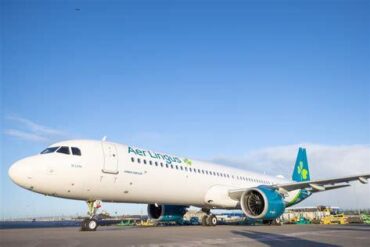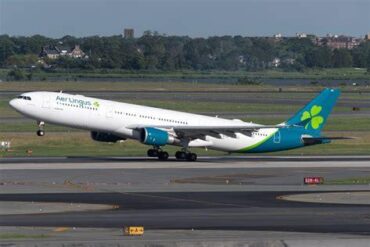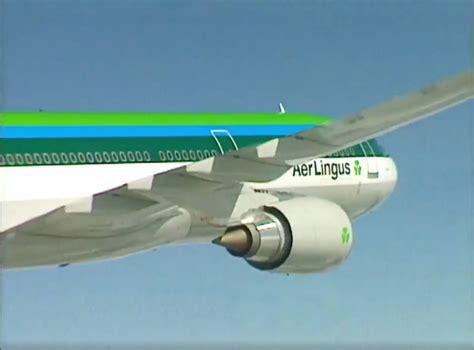
The quiet rhythm of a routine transatlantic crossing was abruptly interrupted when an Aer Lingus Airbus A330 declared a mid-flight emergency, triggering the universally recognized squawk code 7700. Within moments, what began as a standard commercial journey from San Francisco to Dublin transformed into a focal point for the global aviation community, with thousands tracking its progress in real time.
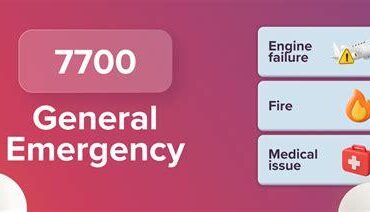
Operating as flight EI60, the widebody aircraft had nearly completed its long-haul journey when the emergency signal was transmitted. Squawk 7700, reserved for urgent and life-threatening situations, immediately alerted air traffic control and aviation monitoring platforms. The response was swift—not only from authorities on the ground but also from online observers, as the flight surged to become the most tracked aircraft worldwide on flight monitoring platforms.
Understanding Squawk 7700 and Its Immediate Impact
In aviation, squawk codes function as a silent but powerful communication tool between pilots and air traffic controllers. Among them, 7700 stands apart as the definitive signal for a general emergency. When activated, it cuts through routine operations, ensuring the aircraft receives priority handling and immediate attention.
For flight EI60, this meant a rapid shift in airspace management. Controllers likely cleared surrounding traffic, coordinated a direct routing into Dublin, and prepared emergency services ahead of arrival. The system is designed for efficiency under pressure, and in this instance, it worked with remarkable precision.
The urgency behind the declaration soon became clearer. Reports from aviation enthusiasts analyzing ACARS data suggested that the incident involved a serious onboard medical emergency, with indications that a passenger required cardiopulmonary resuscitation. While such situations are rare, they demand decisive action, and the crew’s response reflected the highest standards of training and professionalism.
A Transatlantic Journey Interrupted by Crisis
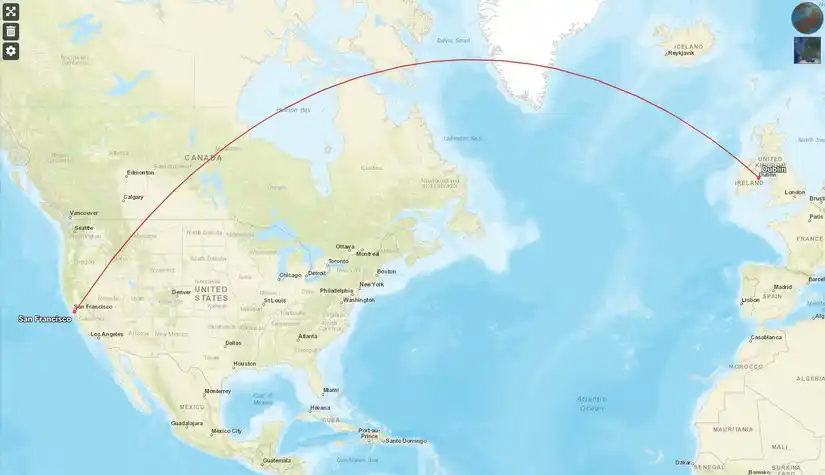
Flight EI60 is a cornerstone route for Aer Lingus, linking San Francisco International Airport with Dublin in a nonstop service spanning over 5,000 miles. Typically lasting just over nine hours in the air, the flight represents one of the airline’s longest and most strategically significant connections between Ireland and the United States.
On this occasion, however, the timeline compressed dramatically. After the emergency code was transmitted during the final phase of the journey, the aircraft accelerated its approach sequence. From the moment the squawk was issued to touchdown, only 31 minutes elapsed—a testament to the coordinated urgency of both cockpit crew and ground control.
The aircraft ultimately landed in Dublin 76 minutes ahead of schedule. Emergency services were already positioned on the ground, ready to provide immediate medical assistance upon arrival. While the airline confirmed the presence of a medical emergency, further details regarding the passenger’s condition were not publicly disclosed.
Why This Flight Captured Global Attention
In recent years, global flight tracking platforms have become an integral part of aviation culture. Enthusiasts, professionals, and casual observers alike monitor flights for everything from operational anomalies to geopolitical developments. Typically, the most tracked flights are associated with high-profile events, particularly in volatile regions.
Yet, the sudden emergence of EI60 at the top of global tracking charts underscores the enduring fascination with real-time aviation incidents. A squawk 7700 declaration acts as a digital flare, instantly drawing attention across platforms such as Flightradar24. The combination of a long-haul route, a widebody aircraft, and a genuine emergency created a compelling narrative that resonated worldwide.
The Strategic Importance of the Route
The Dublin–San Francisco corridor is not only one of Aer Lingus’ longest routes but also one of its most commercially significant. Covering approximately 5,098 miles, it ranks as the airline’s second-longest transatlantic service, surpassed only by its connection to Los Angeles.
This route plays a crucial role in linking Ireland with the U.S. West Coast, supporting both business travel and tourism. Its consistent demand underscores the importance of operational reliability—making the safe and efficient handling of emergencies even more critical.
Despite the disruption, the outcome highlighted the resilience of modern aviation systems. The aircraft’s early arrival, facilitated by priority routing, demonstrated how effectively emergencies can be managed without compromising overall safety.
Precision, Training, and Human Response
Behind every squawk 7700 event lies a complex interplay of human judgment and technical systems. Pilots must quickly assess the situation, communicate with air traffic control, and make decisions that balance urgency with safety. Meanwhile, controllers coordinate a broader response, ensuring the aircraft receives an unobstructed path to its destination.
In this case, the seamless execution of these processes ensured that the aircraft landed swiftly and safely. The presence of emergency services upon arrival further reinforced the layered approach to aviation safety—one that extends from the cockpit to the runway.
Moments like these serve as a powerful reminder that aviation is not just about technology or schedules. It is about people—passengers, crew, and responders—working together under pressure to achieve the best possible outcome.
As flight EI60 touched down in Dublin ahead of schedule, its brief moment as the world’s most tracked aircraft came to an end. Yet, the incident left behind a clear narrative: when emergencies arise at 35,000 feet, precision, coordination, and human resolve make all the difference.