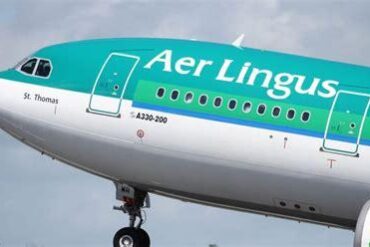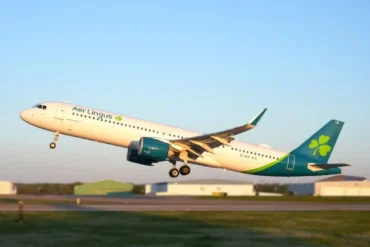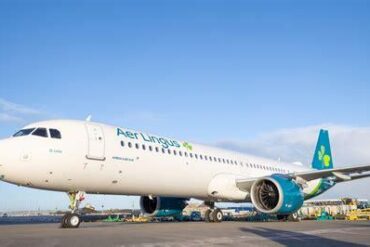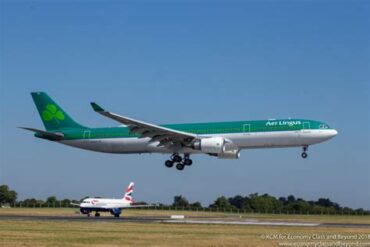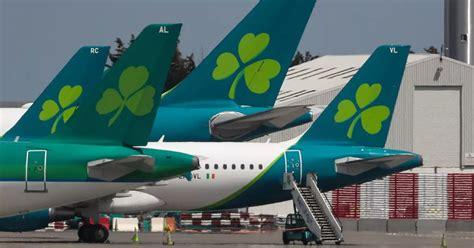
While not as severe as the universally known Mayday signal, a PAN-PAN alert still requires decisive action. It tells air traffic control that the aircraft is in a situation needing priority handling. In this case, Shannon Air Traffic Control immediately took over coordination duties, clearing EI776 for a prompt return to base. Emergency teams at Dublin began mobilizing, anticipating a possible high-risk situation.
Crucially, such emergencies do not only test flight crews but also expose the readiness of ground support systems. Everything must synchronize—communications, airspace clearance, medical readiness, and mechanical preparedness—for a successful outcome.
A Risky Overweight Landing Back at Dublin
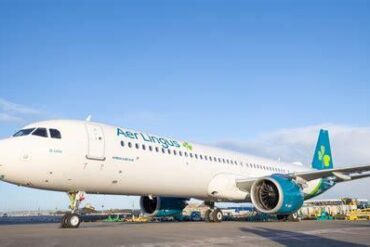
Due to the early stage of the flight, EI776 had not burned off much of its fuel. This meant the Airbus A320 was significantly over its maximum landing weight, presenting additional hazards. Overweight landings require longer runways, stronger brake force, and can strain tires, landing gear, and hydraulic systems.
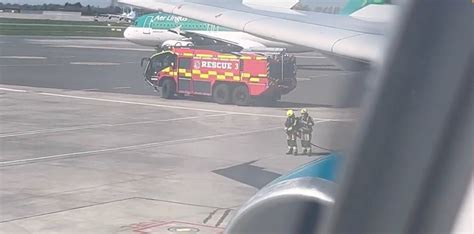
Dublin Airport cleared the aircraft to land on Runway 28L, known for its extended length. With fire and rescue units on standby, the A320 touched down safely. The aircraft was immediately surrounded—not by chaos, but by proactive safety teams ready to respond to any post-landing complications.
Onboard Response and Ground Medical Aid
Flight attendants, trained extensively for emergencies, stabilized the affected passenger until paramedics could board the aircraft upon landing. The passenger was swiftly transferred to a waiting ambulance and taken to a nearby medical facility.
The remaining passengers, though shaken, disembarked calmly and were provided with guidance regarding the next steps in their travel plans. Aer Lingus ground personnel, already briefed, began offering rerouting options and assistance.
Repercussions for Travelers and Airlines
Though the medical emergency concluded with a safe landing, the ripple effects were immediate and widespread. Lanzarote, a highly frequented vacation destination for Irish travelers, saw delays in expected tourist arrivals. Holidaymakers’ schedules were thrown into disarray, and last-minute accommodations were suddenly required for some.
Aer Lingus, meanwhile, had to manage the logistical aftermath: a grounded aircraft, disrupted schedules, repositioning of aircraft and crew, and rebookings for passengers on other flights. The sudden shift placed strain on its operations center, already taxed by peak summer demand.
Medical Events: An Industry-Wide Concern
This incident fits a growing pattern seen across global aviation: an increase in in-flight medical emergencies. With an aging traveler demographic and a sharp rebound in air traffic, the probability of medical incidents in mid-air has risen.
Airlines now find themselves under increasing pressure to bolster their in-flight medical preparedness. This includes:
- Equipping aircraft with enhanced emergency medical kits
- Ensuring crew receive advanced medical response training
- Collaborating with telemedicine providers who can advise cabin crew in real-time
As the skies get busier, these resources become less of a regulatory checkbox and more of an operational imperative.
Behind the Scenes: Aer Lingus’ Crisis Management in Action
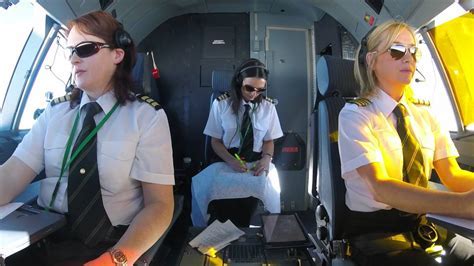
The decision to turn back is not made lightly. Such a move disrupts air traffic, incurs high fuel costs, and risks mechanical wear. But in this case, Aer Lingus demonstrated agility and adherence to safety-first protocols. From cockpit crew to ground control to emergency responders, each unit executed its role with precision.
By the time EI776 was on final approach to Runway 28L, an intricate, invisible network had been activated—each node working toward one shared goal: passenger safety.
Turnbacks: Rare but Not Isolated
Aircraft turnbacks remain rare events. Yet when they occur, they tend to grab headlines and prompt internal airline reviews. In the case of EI776, the trigger was medical. But past events have included:
- Fuel system warnings
- Smoke detection in the cabin
- Passenger altercations or injuries
- Engine sensor anomalies
The common thread? A commitment to preemptive safety. It’s always better to return early and land safely than to press forward and risk escalation over open ocean or remote terrain.
Aviation Ecosystem Feels the Ripple
It’s not just passengers and airlines affected. Events like this cascade across the broader aviation and tourism economy. Lanzarote’s tourism sector, heavily reliant on timely arrivals from Northern Europe, experiences the knock-on effects. Missed hotel check-ins, rearranged excursions, and altered car rental schedules become a reality.
Additionally, every emergency landing introduces wear-and-tear factors that maintenance crews must then address. Tires used in overweight landings may require replacement. Brake systems and structural components face additional inspection protocols, sidelining the aircraft for longer periods.
A Lesson in Readiness: Why This Incident Matters
The safe resolution of the Aer Lingus EI776 PAN-PAN emergency showcases the critical importance of training, infrastructure, and split-second coordination. Every successful return under duress reinforces the value of simulation drills, cross-departmental readiness, and clear decision-making hierarchies.
For passengers, it’s a reminder that while air travel is statistically the safest mode of transportation, unpredictability still exists. However, it’s precisely for these rare moments that airlines train, plan, and invest in resilience.
Closing Descent: A Test Passed Under Pressure
Flight EI776 did not complete its journey to Lanzarote, but it succeeded in something far more critical—ensuring every soul on board landed safely back on Irish soil. The rapid response, clear communication, and procedural discipline on display turned what could have been a tragedy into a triumph of aviation readiness.
This incident serves as a benchmark for how airlines should respond—not with panic, but with precision. Not with delay, but with decisive care. And not with indifference, but with intense focus on the human dimension behind every alert.
As skies grow ever more crowded, this morning’s PAN-PAN call reminds us all: it’s not the crisis that defines an airline, but how they respond to it. And in that regard, Aer Lingus flew well above the standard.