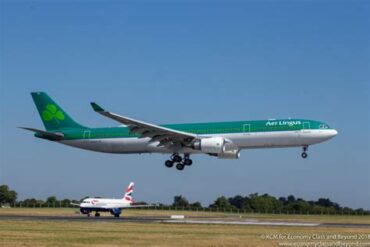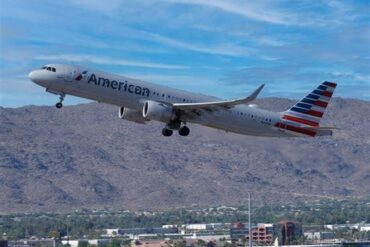
Raleigh–Durham International Airport is on the brink of a defining milestone as Aer Lingus prepares to inaugurate its highly anticipated nonstop service to Dublin. Scheduled to commence on April 13, the route represents far more than just another transatlantic link—it signals the arrival of the airport’s fifth long-haul airline and underscores the rapid global ascent of North Carolina’s Research Triangle.
The introduction of this service reflects a broader shift in aviation dynamics, where secondary U.S. cities are no longer overlooked but instead aggressively targeted by international carriers seeking high-value demand. Raleigh-Durham, long considered an emerging hub, is now firmly stepping into the spotlight.
A Strategic Transatlantic Expansion by Aer Lingus
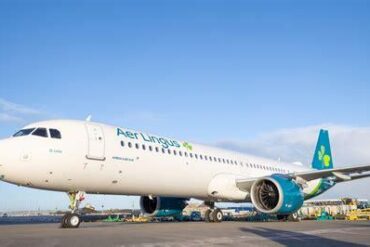
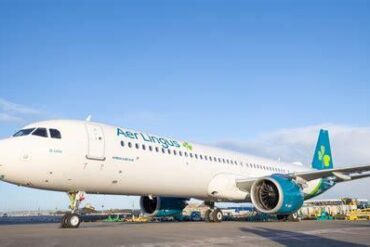
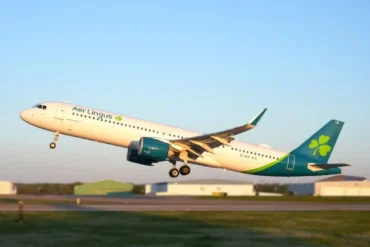
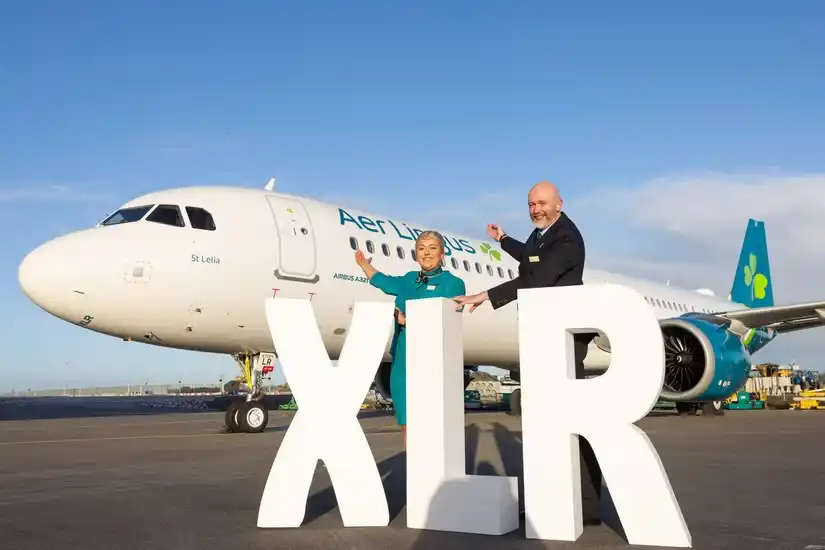
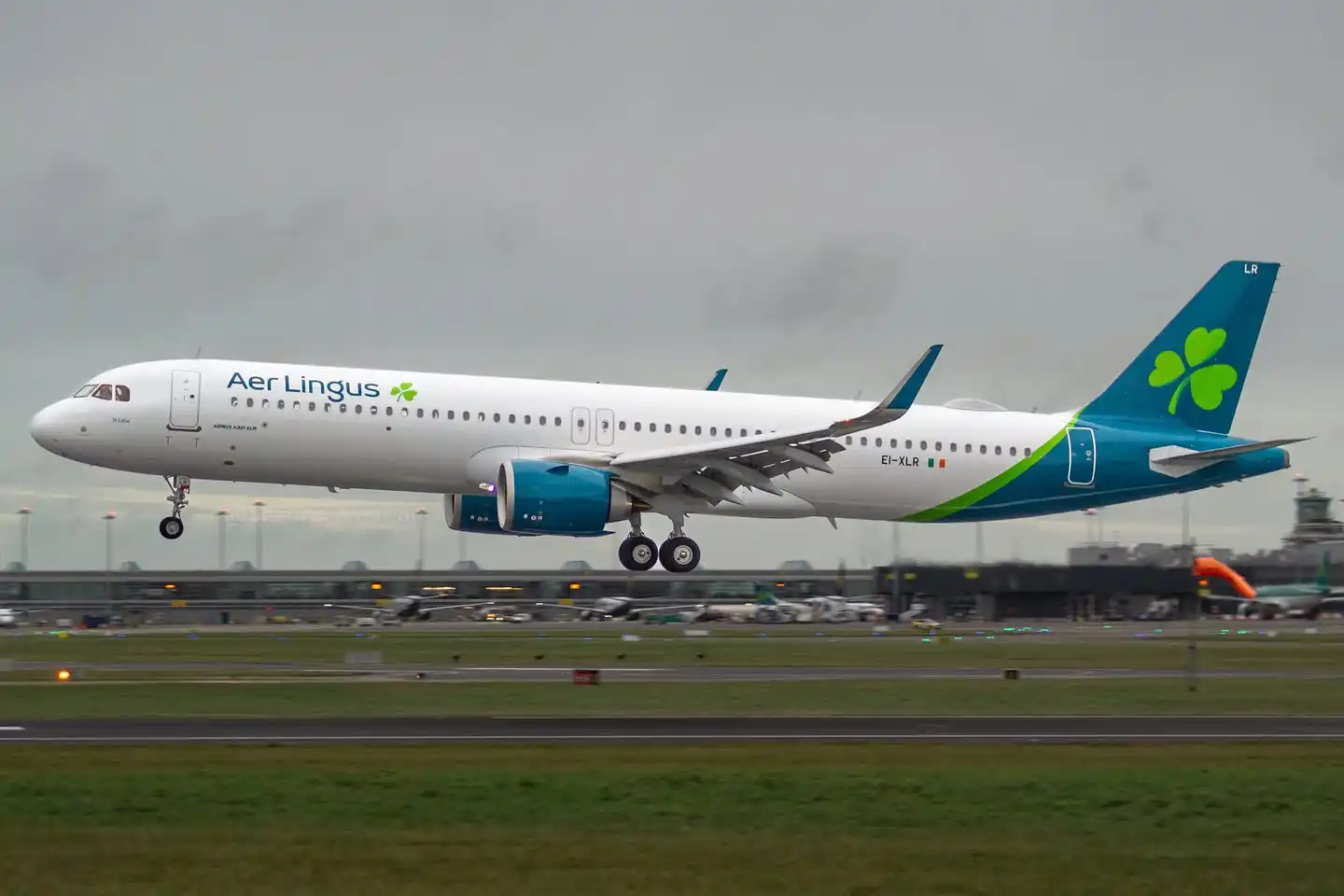
Aer Lingus’ decision to launch flights between Raleigh-Durham International Airport and Dublin is rooted in a calculated expansion strategy. Operating five times weekly with the cutting-edge Airbus A321XLR, the airline is maximizing efficiency while unlocking routes traditionally reserved for larger widebody jets.
The A321XLR’s extended range and lower operating costs make it ideal for connecting mid-sized cities like Raleigh with European capitals. This aircraft enables Aer Lingus to sustain year-round operations while maintaining competitive pricing and flexibility—two critical factors in today’s transatlantic market.
Beyond operational efficiency, the timing is equally strategic. The route launches just ahead of the 2026 Aer Lingus College Football Classic, a major sporting event at Aviva Stadium expected to draw tens of thousands of American visitors. This synergy between aviation and tourism is no coincidence—it’s a deliberate move to capture peak transatlantic demand.
Seamless Travel Through Dublin Preclearance
One of the most compelling advantages of this new route lies in Dublin Airport’s U.S. preclearance facility. Passengers departing from Dublin Airport complete U.S. immigration and customs checks before boarding, arriving in Raleigh as domestic passengers.
This feature significantly reduces arrival times and eliminates the often unpredictable bottlenecks at U.S. entry points. Notably, only Dublin and Shannon Airport offer this service in Europe, giving Aer Lingus a distinct competitive edge.
For business travelers and frequent flyers, this translates into a smoother, faster journey—an advantage that can influence airline choice as much as ticket price or schedule.
RDU’s Transformation Into a Global Gateway
The addition of Aer Lingus marks a historic moment for Raleigh-Durham, which now hosts five long-haul carriers. Joining established players like Air France, Lufthansa, Icelandair, and American Airlines, the airport has evolved into a diversified transatlantic hub.
This transformation has been remarkably swift. Just a decade ago, American Airlines’ route to London Heathrow Airport stood as the sole long-haul connection. Today, travelers can access major European gateways including Paris Charles de Gaulle Airport, Frankfurt Airport, and Keflavik International Airport.
The diversity of destinations not only enhances passenger choice but also strengthens the region’s economic ties with Europe. Each new route adds another layer of connectivity, making Raleigh-Durham increasingly attractive to multinational corporations and global investors.
Fueling the Research Triangle’s Global Ambitions
At the heart of this expansion lies the Research Triangle—an economic powerhouse encompassing Raleigh, Durham, and Chapel Hill. Known for its concentration of technology firms, research institutions, and universities, the region has generated sustained demand for international travel.
Aer Lingus’ arrival directly addresses this demand, offering seamless access not only to Ireland but also to its broader European network via Dublin. For professionals, academics, and entrepreneurs, the ability to reach multiple European cities with a single connection is a game-changer.
This route effectively bridges two innovation ecosystems, linking North Carolina’s research corridor with Ireland’s rapidly growing tech sector. The result is a transatlantic partnership that extends beyond tourism into business collaboration, investment, and knowledge exchange.
Record-Breaking Growth in Transatlantic Capacity
The numbers tell a compelling story. Raleigh-Durham is set to operate up to five daily transatlantic flights during the peak summer season—a record for the airport. This surge represents a dramatic increase from just one daily service in the early 2000s.
Recent data highlights the pace of growth. In 2026, the airport will see approximately 416 nonstop transatlantic departures over the summer, marking a 26% increase compared to the previous year. Such expansion is not incremental—it’s exponential.
This growth trajectory reflects both rising passenger demand and airline confidence in the market. Carriers are not merely testing routes; they are committing capacity, deploying advanced aircraft, and establishing long-term presence.
A Defining Moment for Regional Aviation
The arrival of Aer Lingus is more than a new route—it’s a validation of Raleigh-Durham’s emergence as a serious international gateway. The combination of advanced aircraft, strategic timing, and strong regional demand has created a perfect alignment of factors rarely seen in aviation.
As the inaugural flight prepares for departure, the symbolism is unmistakable. Raleigh-Durham is no longer a peripheral player in global aviation—it is a rising hub with momentum, credibility, and ambition.
With five long-haul airlines now in operation and continued expansion on the horizon, the airport’s trajectory points firmly upward. The countdown is over, and a new era of connectivity has officially begun.