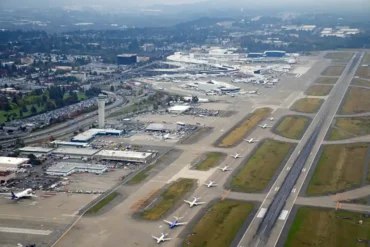
Seattle-Tacoma International Airport (SEA) is no longer just a Pacific Northwest gateway—it has firmly established itself as a crucial global nexus for widebody operations, led by an elite cadre of international carriers. The airport’s recent surge in Airbus A330 flights by Hawaiian Airlines, Finnair, Delta Air Lines, Virgin Atlantic, and Aer Lingus marks a strategic transformation in long-haul air travel. These carriers are deploying high-frequency A330 services across vital transatlantic and transpacific corridors, creating a dense, versatile network that’s reshaping the airport’s international footprint.
Despite SEA’s deep historical ties to Boeing, its future is increasingly shaped by Airbus. With over 484 widebody long-haul departures analyzed in a recent review, the Airbus A330 now plays a starring role in bridging the Pacific Northwest to Asia, Europe, and the Pacific Islands. SEA’s A330 fleet includes a variety of aircraft models—from the classic A330-200 to the advanced A330-900neo, reflecting a tailored approach by each airline to optimize capacity, range, and efficiency.
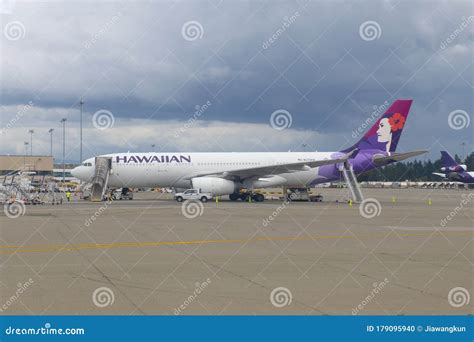
Hawaiian Airlines Leads A330 Deployment with Transpacific Emphasis
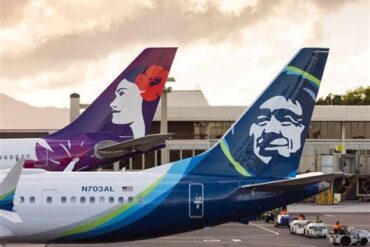
Hawaiian Airlines is the most prolific operator of the A330 at SEA, utilizing the Airbus A330-200 for a mix of high-capacity leisure and strategic transpacific routes. The airline has scheduled over 217 flights on its A330-200s, connecting Seattle with Honolulu, Maui, and Tokyo Narita. This aircraft’s balance of fuel efficiency, range, and seating capacity has made it a natural fit for Hawaiian’s Pacific-focused strategy.
The SEA–Honolulu route stands out as the most active, with 93 flights and more than 25,000 seats offered, delivering over 69 million available seat miles (ASMs). Hawaiian’s commitment to this route underlines the enduring demand for Hawaii-bound leisure travel from the Pacific Northwest, and the airline’s reliance on the A330-200 ensures a robust and cost-effective solution for this traffic.
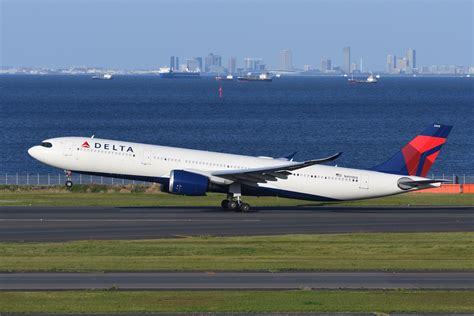
Delta Air Lines Embraces the A330-900neo for Premium Long-Haul Service
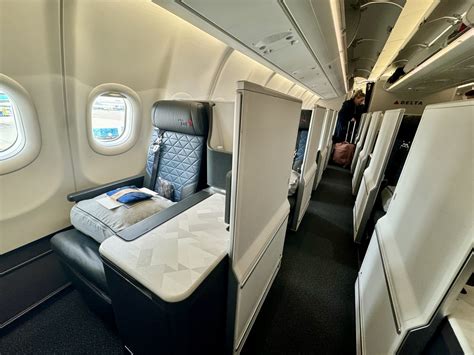
Delta Air Lines, a global legacy carrier and key player at SEA, has fully embraced the Airbus A330-900neo as its flagship aircraft for transatlantic operations. Following the retirement of its Boeing 777 fleet in 2020, Delta leaned into the newer Airbus widebody to serve critical routes to Europe. The A330neo’s improved fuel economy, state-of-the-art cabin design, and long-range capabilities make it ideal for routes to Amsterdam, Frankfurt, and London Heathrow.
Delta’s usage of the A330neo is not just about efficiency—it’s about redefining passenger experience with enhanced comfort, reduced cabin noise, and upgraded entertainment systems. The SEA–Amsterdam route alone contributes over 82 million ASMs, highlighting how critical this aircraft is to Delta’s European strategy.
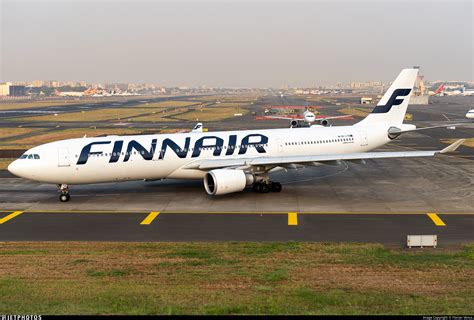
Finnair and Virgin Atlantic Expand European Connectivity
Finnair, though operating seasonally, plays an essential role in connecting Seattle to Northern Europe. The airline uses the Airbus A330-300 to serve Helsinki during peak travel seasons, offering Seattle travelers direct access to Scandinavia. The A330-300’s larger fuselage makes it well-suited for medium- to long-haul segments with seasonal demand.
Virgin Atlantic, meanwhile, leverages the A330-900neo to operate direct flights to London Heathrow, enhancing premium transatlantic service from SEA. As a carrier known for its high-end service model, Virgin’s use of the A330neo complements the airport’s growing focus on quality international experiences.
Aer Lingus Solidifies Transatlantic Growth
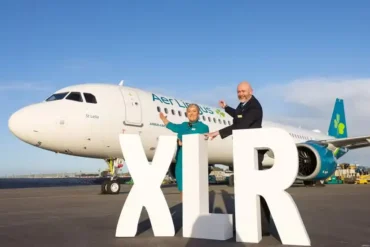
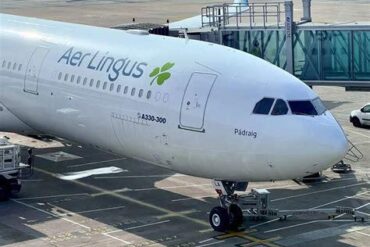
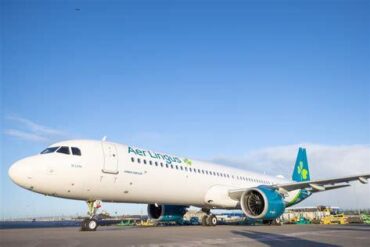
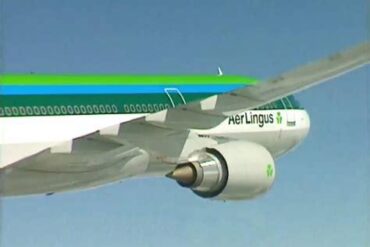
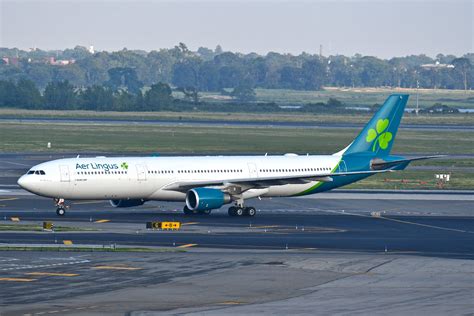
Rounding out the list is Aer Lingus, which operates the A330-200 between Seattle and Dublin. This route is part of the airline’s broader transatlantic expansion strategy, positioning Dublin as a key stopover hub for North American travelers heading deeper into Europe. The A330-200 offers Aer Lingus the range and capacity needed to support this long-haul service without overcommitting resources.
Aer Lingus’s deployment at SEA complements the airport’s evolving identity as a transatlantic gateway, with Dublin offering U.S. preclearance and seamless connections into the European Union. These operational advantages give the airline a competitive edge in the premium economy and business travel segments.
Variant Overview: The A330-200, A330-300, and A330-900neo at SEA
Seattle-Tacoma’s widebody activity is driven by three variants of the Airbus A330, each with distinct operational roles:
- The A330-200, deployed by Hawaiian, Aer Lingus, and Delta, is favored for its balanced range and flexible capacity, making it suitable for both domestic and intercontinental routes.
- The A330-900neo, used by Delta and Virgin Atlantic, represents the latest in Airbus engineering, boasting lower fuel burn, next-gen Rolls-Royce Trent 7000 engines, and passenger-centric cabin enhancements.
- The A330-300, operated primarily by Finnair and seasonally by Delta, is suited for medium- to long-haul routes that demand a high seat count and moderate range.
Together, these variants support a diverse route matrix from SEA, accommodating both high-volume tourist routes and premium business corridors.
Airbus A330’s Network Footprint at SEA
The A330’s influence is evident across SEA’s top international and domestic long-haul routes. Notable examples include:
- SEA–Honolulu (Hawaiian Airlines): 93 flights, 25,854 seats
- SEA–Amsterdam (Delta Air Lines): 62 flights, 17,424 seats
- SEA–Anchorage (Hawaiian Airlines): 62 flights, 17,236 seats
- SEA–Frankfurt (Delta Air Lines): 31 flights, 9,610 seats
- SEA–Paris Charles de Gaulle (Delta Air Lines): 31 flights, 8,711 seats
These five routes alone generate more than 135,000 total seats and contribute nearly 530 million ASMs, solidifying the A330’s impact on Seattle’s long-haul capacity.
Operational Strategy by Airline
Each airline at SEA leverages the A330 platform to match its brand identity and market focus:
- Delta Air Lines: Deploys both the A330-900neo and A330-300 for premium international service, optimizing fuel savings and passenger comfort.
- Hawaiian Airlines: Focuses on leisure-heavy high-density routes to Pacific destinations using the A330-200.
- Finnair: Delivers seasonal European access via the A330-300, aligning with Scandinavian travel peaks.
- Virgin Atlantic: Uses the A330-900neo to provide luxury-focused transatlantic service with high-frequency operations.
- Aer Lingus: Leverages the A330-200 for direct connectivity to Dublin, targeting corporate and VFR (visiting friends and relatives) travel.
Future Expansion and Strategic Outlook
While Airbus A330 operations at SEA are currently robust, growth potential remains in untapped regions. South Asia, Africa, and South America are underrepresented in SEA’s long-haul network. The expansion of services or entry by additional A330 operators could open new strategic corridors, positioning SEA as an even more diverse international gateway.
In parallel, the airport’s continued adoption of Airbus widebodies reflects broader airline trends favoring cost-efficient, lower-risk aircraft with proven track records. The A330’s availability in multiple variants gives carriers the flexibility to tailor aircraft choice to each route’s demand profile, further boosting SEA’s global competitiveness.
SEA’s Transformation: From Boeing Legacy to Airbus Future
Seattle-Tacoma International Airport has long lived in the shadow of Boeing’s storied presence in the region. Yet, the rise of the Airbus A330 fleet signals a new chapter—one that embraces innovation, multi-operator diversity, and global connectivity. The A330, once a Boeing 777 rival, now stands at the heart of SEA’s widebody transformation, bridging continents with precision and adaptability.
As Hawaiian, Finnair, Delta, Virgin Atlantic, and Aer Lingus expand their A330 operations, SEA emerges as a linchpin in global air travel. The airport is now more than a Boeing symbol—it is a strategic Airbus A330 hub, anchoring high-frequency, long-haul routes that serve business travelers, tourists, and global citizens alike.
The story of Seattle-Tacoma’s rise as a widebody stronghold underscores not just an airport’s evolution, but a broader shift in aviation economics, fleet preferences, and global connectivity. And at the center of this transformation, soaring above oceans and continents, flies the ever-reliable Airbus A330.