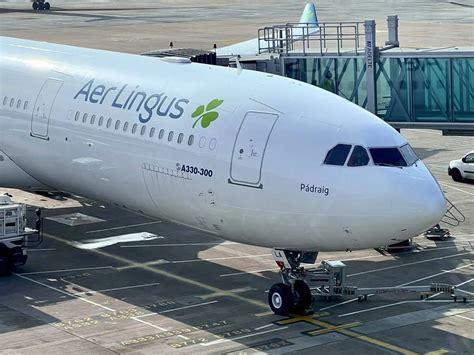
In a landmark move underscoring the dynamic evolution of the aviation industry, the International Air Transport Association (IATA) announced the addition of 14 new airline members in 2025, expanding its influential global network. The new entrants range from major flag carriers to regional specialists, reflecting a diverse blend of geographies and business models. This broadening of IATA’s footprint comes at a time of accelerated recovery and strategic expansion across the air transport sector, with these airlines poised to benefit from the organization’s standards in safety, efficiency, and environmental responsibility.
Strategic Expansion: 14 New Airlines Strengthen the Global Aviation Ecosystem
Among the most significant developments in this year’s announcement is the geographical diversity of new IATA members. These airlines hail from the Americas, Europe, Africa, and Asia, offering a well-rounded boost to regional and intercontinental connectivity. The significance of their entry into IATA’s fold goes beyond symbolic affiliation; it signals readiness to align with international aviation norms, opening pathways to greater operational transparency, smoother interline agreements, and globally accepted safety and sustainability standards.
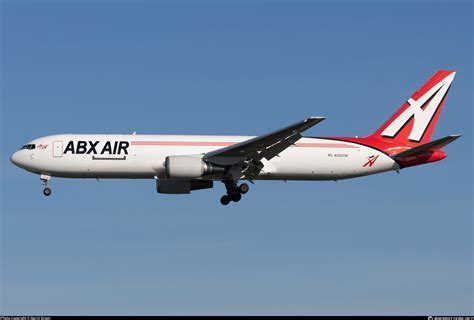
One of the most notable new members, ABX Air, based in the United States, has made a substantial mark in the air cargo sector. Its IATA membership grants it access to enhanced best practices and interoperability with other international freight operators, especially critical in a post-pandemic world where air cargo remains vital for global supply chains.
Meanwhile, Aegean Airlines, Greece’s largest airline, gains a strategic foothold in international forums, reinforcing its position in connecting Europe with underserved markets in the Middle East and North Africa. Similarly, Aer Lingus, as Ireland’s flag carrier, is expected to leverage IATA’s frameworks to streamline transatlantic services, particularly between Dublin and key North American hubs.
Regional Influence and Market Integration: From Latin America to Africa
The entry of Aero Republica, now operating as Copa Airlines Colombia, marks an important move for South American aviation. This airline plays a critical role in intra-continental connectivity, often bridging smaller cities with larger transit points. Through IATA membership, the carrier can now align more closely with Copa Holdings’ broader strategy and standardization goals.
Aeroflot, one of the oldest and most iconic Russian airlines, renews its commitment to international aviation standards by strengthening its IATA ties. Despite geopolitical complexities, the move symbolizes an interest in maintaining integration with the global air transport community, particularly in Eastern European and Asian markets.
Aeroitalia, a relatively newer entrant in the Italian market, exemplifies Italy’s resurgence in aviation tourism and business connectivity. Its IATA inclusion elevates the airline’s credibility among international travelers, especially those seeking reliable links to Italy’s regional airports.
In Latin America, the inclusion of Aerolineas Argentinas and Aeromexico—two of the region’s flagship carriers—represents a consolidation of efforts to improve travel efficiency, sustainability initiatives, and bilateral cooperation between South and North America. Their IATA membership is expected to accelerate improvements in passenger service systems and fleet modernization.

African Airlines Expand Their Global Reach Through IATA
Africa’s growing presence in international aviation is further bolstered by the membership of Africa World Airlines (Ghana) and Afrijet (Gabon). These airlines, though regional in scale, provide crucial domestic and international links that support intra-African trade, tourism, and business mobility. Through IATA, they gain not only visibility but also access to programs designed to address infrastructure challenges, regulatory hurdles, and operational standardization across the continent.
Their membership also underscores the vital role of smaller carriers in pan-African connectivity, particularly as African governments push forward with the Single African Air Transport Market (SAATM) initiative. IATA support can significantly contribute to their efforts in modernizing fleets, improving maintenance standards, and building passenger trust.
North America’s Continued Dominance: Established Giants Reaffirm Leadership
Not all the 2025 entries are newcomers to international aviation. Alaska Airlines, known for its extensive domestic routes and Pacific Northwest dominance, now deepens its commitment to international aviation frameworks through IATA membership. This allows the airline to enhance operational efficiencies, adopt universal ticketing standards, and position itself for potential expansion into broader transpacific routes.
Likewise, American Airlines, a founding member of IATA, renews its leadership role in shaping global aviation policy and standard-setting. Its inclusion in this year’s announcement serves as a reaffirmation of its commitment to industry leadership, particularly as air traffic rebounds and environmental mandates become more urgent.
European and Asian Titans Maintain their Global Standards
British Airways, already one of IATA’s cornerstone members, continues to demonstrate its influence by aligning with the latest updates in aviation safety, digital transformation, and carbon offset strategies. As Heathrow remains a pivotal hub for global transit, British Airways’ continued compliance with IATA’s initiatives ensures a seamless and secure travel experience for millions annually.
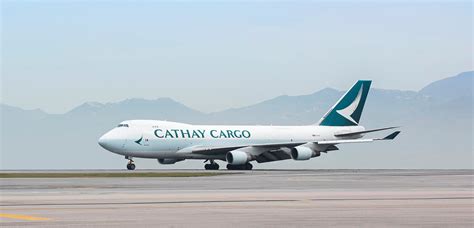
Cathay Pacific, another long-standing IATA member, underscores its leadership in Asia-Pacific aviation. With Hong Kong being a strategic logistics and passenger node, Cathay’s IATA alignment allows it to navigate evolving international regulations and promote interoperable services across Asian markets.
Why IATA Membership Matters More Than Ever in 2025
Joining IATA is not merely a badge of credibility—it’s an entry into a global ecosystem governed by rigorous standards in safety, environmental stewardship, and digital innovation. For passengers, this means better connectivity, more reliable scheduling, enhanced safety oversight, and standardized customer experiences across airlines.
For the airlines themselves, membership brings:
- Access to IATA’s global settlement systems and interline agreements
- Participation in environmental programs like Carbon Offset and Reduction Scheme for International Aviation (CORSIA)
- Collaborative forums on emerging aviation technologies and sustainability strategies
- Industry benchmarking and performance analytics tools
As the industry grapples with new environmental pressures, rising fuel costs, and passenger demand shifts, IATA provides a collaborative platform where airlines can share data, co-develop solutions, and align on policies that serve global interests.
Global Aviation Outlook: Unified but Diverse
The inclusion of 14 diverse airlines in IATA’s 2025 roster signals a broader shift toward harmonized aviation governance, even as individual airlines pursue unique regional or business objectives. What unites them is the shared pursuit of greater interoperability, safety assurance, and operational excellence.
This year’s induction is particularly symbolic, occurring at a time when the aviation sector is balancing post-pandemic recovery with future-facing strategies. From advanced aircraft adoption to AI-powered customer service, airlines are rapidly transforming, and IATA acts as the common thread binding these innovations into a coherent, secure, and passenger-friendly network.
Looking ahead, the momentum created by this expansion will likely inspire further cooperation across regions, with more small-to-midsize carriers exploring IATA membership. For passengers, this translates to a smoother global travel experience—better timetables, greater reliability, and shared digital infrastructure like biometric check-ins and universal mobile boarding passes.
Conclusion: A More Connected, Accountable, and Sustainable Air Travel Future
The 2025 IATA membership expansion is more than a numerical increase—it is a strategic realignment of the global aviation industry, one that prioritizes collaboration, safety, and the sustainable evolution of air travel. Whether transporting passengers across continents or moving critical freight between economic hubs, these newly inducted airlines now join a unified front that is shaping the future of aviation.
By embracing IATA’s rigorous standards and best practices, they not only elevate their own operations but also contribute meaningfully to a world where air travel is safer, smarter, and more seamless than ever before.