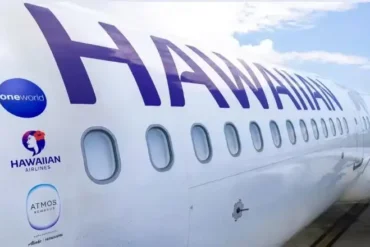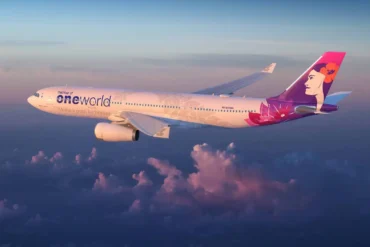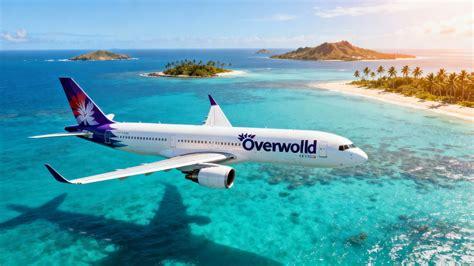
Hawaiian Airlines is poised to enter a new era of global connectivity and strategic alignment as it officially joins the oneworld alliance on April 22, 2026. This move, long anticipated in the aviation industry, signifies more than just a new code share—it marks the deep integration of one of the United States’ most unique carriers into a worldwide network that is actively reshaping long-haul travel, customer loyalty, and alliance competition.
A Transformational Merger and Alliance Integration
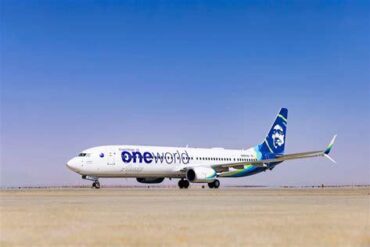
The selected date for Hawaiian’s formal entry into the oneworld alliance is no coincidence. It coincides with a monumental backend shift: the unification of Hawaiian Airlines and Alaska Airlines onto a single Passenger Service System (PSS). This integration will retire the familiar ‘HA’ code, replacing it with Alaska’s ‘AS’ designation across the board. Operationally and symbolically, this unification positions Hawaiian as more than a regional legacy carrier—it becomes a critical component of a larger, globally competitive alliance.
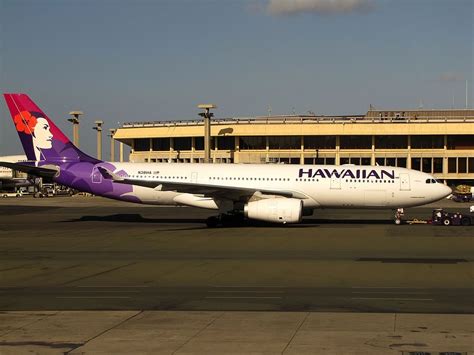
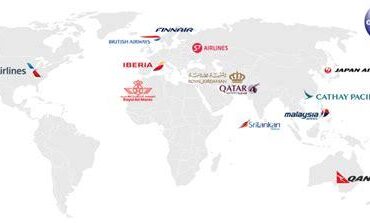
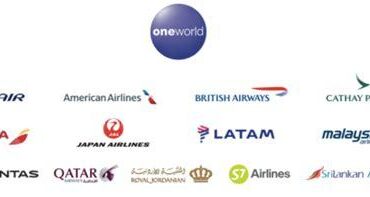
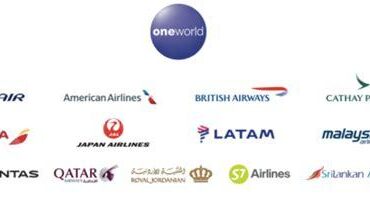
This transition will see Hawaiian Airlines become the 16th full member of oneworld, placing it alongside elite carriers such as British Airways, Qatar Airways, Cathay Pacific, and American Airlines. With oneworld now boasting a combined network of over 1,200 destinations, the strategic value of Hawaiian’s entry is immediately clear: it reinforces the alliance’s commitment to high-quality service while extending its reach deep into the Pacific.
What This Means for Passengers and Loyalty Members
For travelers loyal to Hawaiian Airlines, the integration brings unprecedented benefits. As early as April 2026, Atmos Rewards members will see their loyalty status seamlessly mapped to equivalent tiers within the oneworld framework. The elite oneworld Emerald and Sapphire statuses are among the most prized in the airline industry, offering access to premium lounges, priority boarding, enhanced baggage allowances, and fast-track security access across all member airlines.
This means that a Hawaiian Airlines passenger flying out of Honolulu to Tokyo will now have consistent, premium-tier benefits at connecting airports throughout Asia and beyond—a game-changer for frequent flyers.
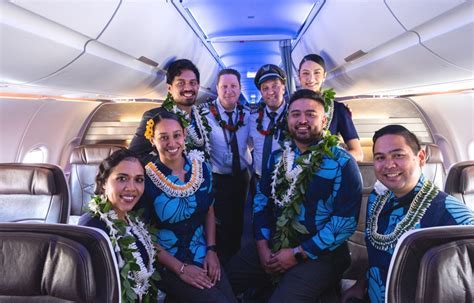
Moreover, Hawaiian’s brand reputation for warm hospitality and its signature “spirit of aloha” are set to amplify oneworld’s appeal, especially for travelers seeking both comfort and cultural authenticity. The partnership reflects a broader alignment in values: personalized service, premium experience, and operational reliability.
Strategic Expansion: Strengthening the Asia-Pacific Footprint
Hawaiian Airlines’ entry bolsters oneworld’s strategic ambitions in the Asia-Pacific region. Long a crucial theater of competition among the three major alliances—Star Alliance, SkyTeam, and oneworld—the Pacific routes are undergoing a transformation, and Hawaiian’s inclusion brings a vital set of direct long-haul services into the fold.
Hawaiian’s key transpacific routes to Japan, South Korea, Australia, and New Zealand not only complement Alaska Airlines’ domestic strength but also connect fluidly with fellow oneworld members such as Japan Airlines, Qantas, and Malaysia Airlines.
This Pacific alignment becomes even more potent considering Fiji Airways’ promotion to full oneworld membership in 2025, signaling a rapid regional consolidation by the alliance. With strong speculation that Taiwan’s Starlux Airlines may apply for membership by the end of 2025, the oneworld footprint in Asia is growing both denser and more premium-focused.
From Quality Over Quantity to Market Leadership
While oneworld still trails SkyTeam and Star Alliance in pure size, its strategy of prioritizing quality over scale is proving increasingly effective. Hawaiian Airlines represents the tenth largest carrier in the U.S. market—not by total fleet size or number of destinations, but through a high-quality, niche positioning that dovetails perfectly with oneworld’s ethos.
This addition follows recent momentum: Oman Air joined in 2024, enhancing the alliance’s Middle Eastern reach alongside stalwart Qatar Airways. These additions suggest a conscious shift in oneworld’s identity—from simply being a group of cooperating carriers to a unified network offering consistent, high-end experiences, especially for the premium market segment.
As Roger Blackburn, Vice President of Commercial & Loyalty for oneworld, noted:
“From the Big Apple and Hawaii’s Big Island to Mount Fuji and the Atlas Mountains, oneworld’s Round the World fares offer customers access to an unbeatable network of leading airlines on a single ticket.”
Such branding cements the notion that this is not merely a code-share arrangement but a seamless customer journey—from check-in to lounge to destination.
Enhancing the Passenger Experience: Premium Economy and Digital Tools
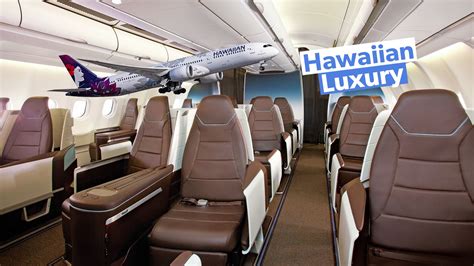
In anticipation of its alliance entry, Hawaiian Airlines has begun executing significant upgrades to its onboard product offerings. Most notably, the airline will introduce a dedicated Premium Economy cabin aboard its Airbus A330 fleet—a long-overdue step that moves it in line with international alliance standards. This product tier will replace the older “Extra Comfort” offering, providing a more competitive and differentiated experience for long-haul travelers.
At the front of the cabin, Hawaiian plans a refurbishment of its A330 Business Class, ensuring a refreshed, globally competitive premium product. In-flight connectivity will also take a leap forward as the carrier partners with Starlink to bring high-speed satellite internet to its transpacific fleet—a major boon for travelers seeking productivity or entertainment on long-haul routes.
This push aligns with oneworld’s broader goal of offering a unified digital and customer service experience across all member airlines. The alliance has invested heavily in digital tools that allow passengers to manage multi-carrier itineraries, track baggage across connections, and receive real-time notifications—all elements that improve customer satisfaction and operational efficiency.
The Competitive Implications in the U.S. Market
The merger between Alaska and Hawaiian Airlines—and the subsequent joint entry into oneworld—reshapes the competitive landscape in the U.S. dramatically. Alaska already ranks fifth among U.S. carriers behind the dominant “Big Four”: American, Delta, United, and Southwest. With Hawaiian in tow, Alaska strengthens its position in the leisure-heavy and Asia-facing routes, particularly those centered on Hawaii and the broader Pacific.
This comes at a time when global alliances are rethinking their U.S. presence. Delta remains SkyTeam’s U.S. anchor, while United commands influence within Star Alliance. With American Airlines already the flagship U.S. partner for oneworld, the inclusion of Alaska and Hawaiian adds a multi-layered domestic and regional depth that is uniquely American—urban, coastal, and tropical.
By consolidating their PSS and alliance status, Alaska and Hawaiian will be able to offer customers a more cohesive loyalty ecosystem, better schedule alignment, and smoother operational synergies. These aren’t just backend perks; they are changes that manifest in real-world benefits for flyers—from easier mileage accrual to seamless rebookings during IRROPs (irregular operations).
A Vision for a Seamless Sky
Oneworld’s strategic narrative revolves around creating a seamless, premium, and digitally integrated global network. Hawaiian Airlines, known for its warm service and “ohana” culture, brings a human touch that fits perfectly with this aspirational vision. But the airline is also embracing the technological side of this transformation.
In October 2025, oneworld hosted its first-ever Innovation Summit, inviting tech firms and aviation experts to discuss the future of travel. From AI-based disruption management tools to sustainability tracking APIs, the alliance is positioning itself at the frontier of travel innovation. Hawaiian’s entry brings a cultural and operational richness to this vision, providing a distinctively American-Pacific counterpoint to its European and Middle Eastern partners.

It’s a union of tradition and technology—and the result may redefine what travelers expect from airline alliances in the years ahead.
Conclusion: Aloha Meets the World
As Hawaiian Airlines prepares to step onto the world stage with oneworld in April 2026, the implications stretch far beyond the Hawaiian archipelago. This isn’t simply an alliance upgrade; it’s a reinvention. Travelers from Honolulu to Sydney, Tokyo to New York, and beyond will benefit from enhanced connectivity, elite benefits, better aircraft, and a level of service that blends Hawaiian warmth with global efficiency.
The skies are indeed getting smaller, but for Hawaiian Airlines—and for oneworld—they’re becoming significantly more connected, more premium, and more promising.