The Genesis and Evolution of Oneworld Alliance
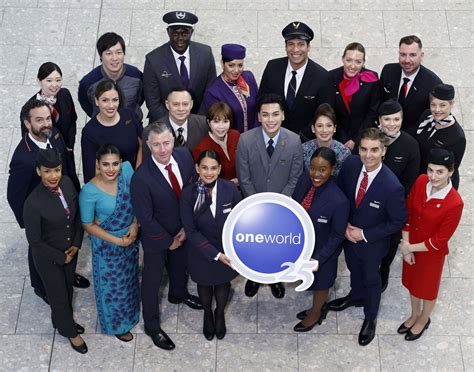
Launched on February 1, 1999, Oneworld stands as one of the foremost global airline alliances, revolutionizing international air travel through unparalleled cooperation and network synergy. Founded initially by American Airlines, British Airways, Canadian Airlines, Cathay Pacific, and Qantas, the alliance emerged from a pressing need to streamline passenger experiences and offer seamless connections worldwide. From its inception, Oneworld introduced innovative concepts such as smoother transfers, globally coordinated round-the-world fares, and integrated frequent flyer programs, setting new industry standards.
In its earliest phase, the alliance covered 648 destinations with a fleet of 1,577 aircraft, quickly becoming a formidable player in the aviation sector. The strategic recruitment of key carriers like Finnair, Iberia, LAN Chile, and Aer Lingus in the late 1990s further expanded the alliance’s reach and solidified its status as a global network. Although Canadian Airlines exited in 2000, Oneworld’s trajectory remained upward, marked by a significant expansion between 2005 and 2007 with the addition of Malév, Royal Jordanian, and Japan Airlines, pushing the network to over 700 airports and accommodating 315 million passengers annually.
Strategic Management and Governance Structure
The Oneworld Management Company (OMC), established in May 2000, functions as the operational backbone of the alliance. Acting as the secretariat, the OMC ensures cohesive policy execution and strategic alignment among member airlines. Over the years, leadership has transitioned through distinguished figures such as Peter Buecking, John McCulloch, Bruce Ashby, and currently Rob Gurney. Governance rests with a board comprising the CEOs of member airlines, chaired on a rotational basis, with Qatar Airways’ CEO Akbar Al Baker holding the chair since May 2021.
This governance framework fosters collaborative decision-making while balancing the individual priorities of diverse global carriers. The headquarters, originally based in Vancouver and later New York City, relocated to Fort Worth, Texas, in December 2022, underscoring a strategic positioning closer to American Airlines’ operations and the North American aviation hub.
Membership Dynamics: Expansion, Exits, and Future Prospects
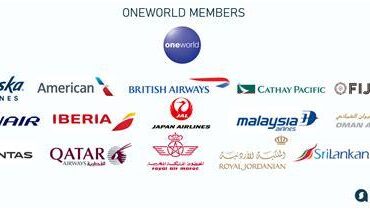
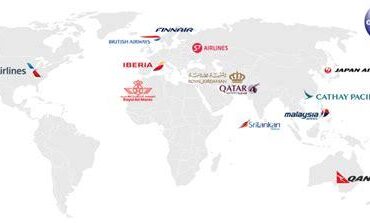
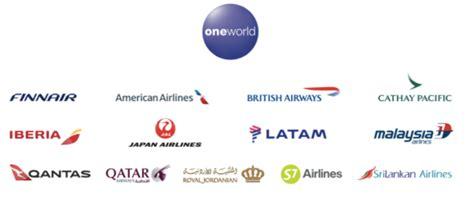
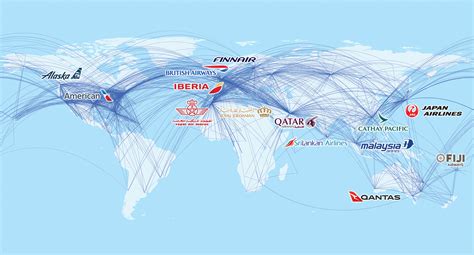
Oneworld’s composition reflects a dynamic interplay of expansion and attrition shaped by industry trends, economic factors, and strategic realignments. The alliance currently includes 14 full members, 16 non-voting affiliates, and two pending members, collectively serving 1,012 airports across 170 countries with a fleet exceeding 3,200 aircraft and carrying approximately 490 million passengers annually.
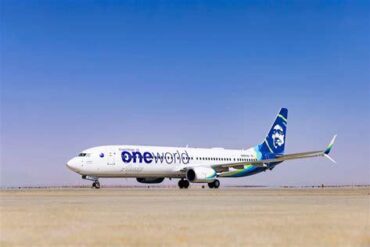
Throughout its history, Oneworld has welcomed influential carriers such as Qatar Airways, Alaska Airlines, Royal Air Maroc, and Fiji Airways (initially in Connect status with full membership expected in 2025). The alliance has also seen notable departures, including Canadian Airlines, Aer Lingus, Mexicana, Malév, LATAM, and S7 Airlines, each exit reflecting shifting market conditions and strategic decisions by individual carriers.
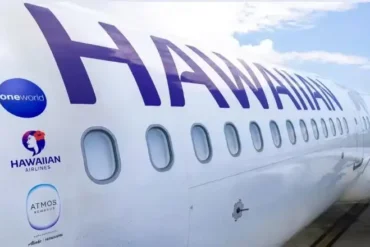
Looking ahead, pending membership applications from Oman Air and Starlux, alongside announced intentions from RwandAir and MIAT, demonstrate Oneworld’s ambition to further diversify and strengthen its global footprint. Hawaiian Airlines’ slated entry in 2026 signals an emphasis on expanding presence in the Pacific region, underlining the alliance’s continuous adaptation to emerging markets and travel demands.
Navigating Internal Challenges and Member Disputes
Despite its remarkable achievements, Oneworld has faced recurring internal disputes, particularly involving Qatar Airways and legacy members such as American Airlines, British Airways, and Qantas. These disagreements often revolve around subsidies, codeshare arrangements, and route rights, sometimes escalating to public tensions and diplomatic negotiations. Such conflicts highlight the complexities inherent in balancing the competitive interests of airlines within a cooperative framework.
Nonetheless, Oneworld’s ability to mediate these disputes and maintain operational harmony is a testament to its robust governance mechanisms and the mutual benefits shared by members. The alliance’s commitment to resolving conflicts amicably ensures sustained collaboration and continued network optimization.
Comprehensive Passenger Benefits and Service Excellence
At its core, Oneworld prioritizes delivering superior passenger experiences through coordinated services and shared resources. One of the hallmark benefits is the co-location of member airline lounges and check-in facilities at over 50 major airports worldwide, facilitating effortless transfers and reducing connection times.
The alliance pioneered interline e-ticketing in 2005, simplifying multi-carrier itineraries and enhancing booking convenience. Frequent flyer programs are seamlessly integrated, allowing passengers to earn and redeem miles across all member airlines, thus amplifying loyalty rewards and travel flexibility.
Oneworld’s excellence has been recognized through numerous industry accolades, including awards from Business Traveller, World Travel Awards, and Skytrax, reflecting its high standards in customer service, operational reliability, and network coverage.

Oneworld’s Technological Innovations and Future Directions
In the face of accelerating digital transformation within the aviation sector, Oneworld continues to invest heavily in technology to enhance operational efficiency and passenger convenience. The alliance has embraced data-driven approaches for route optimization, predictive maintenance, and personalized customer engagement.
Collaborative digital platforms allow member airlines to synchronize schedules, manage disruptions proactively, and deliver real-time updates to travelers. These initiatives not only improve punctuality and connectivity but also reinforce passenger trust in Oneworld’s network reliability.
Future developments are poised to integrate sustainability initiatives, aiming to reduce carbon footprints through coordinated fleet modernization, optimized flight paths, and joint research on sustainable aviation fuels. Such commitments resonate strongly with global environmental goals and increasingly eco-conscious travelers.
The Competitive Edge: How Oneworld Surpasses Other Alliances
Oneworld’s success stems from a blend of strategic member selection, comprehensive global coverage, and passenger-centric service innovations. Unlike some alliances that emphasize regional dominance, Oneworld excels in offering a truly global network with a balanced presence across the Americas, Europe, Asia, Africa, and Oceania.
Its unique combination of premium carriers and emerging market airlines provides diverse options for travelers, ranging from ultra-luxury experiences to affordable connectivity. The alliance’s dedication to seamless integration and frequent flyer benefits outperforms many competitors, fostering intense brand loyalty.
Moreover, Oneworld’s transparent and adaptive governance structure allows swift responses to industry changes and emerging challenges, ensuring sustained relevance in a highly volatile sector.
Conclusion: Oneworld as a Pillar of Global Aviation
Oneworld stands as a testament to the power of collaboration in the aviation industry. From its modest beginnings to becoming a global powerhouse, it has consistently pushed boundaries to deliver unmatched connectivity, operational excellence, and passenger satisfaction. The alliance’s forward-thinking approach to governance, technology, and sustainability positions it to remain a leader in global air travel well into the future. As member airlines continue to evolve and new partners join, Oneworld will undoubtedly expand its influence, setting new benchmarks for airline alliances worldwide.