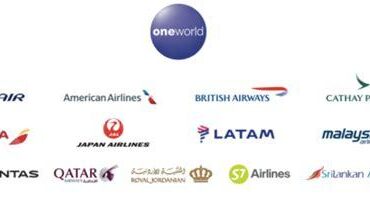
Philippine Airlines (PAL) has officially confirmed that it will join the oneworld alliance in 2027, ending years of speculation about which global airline alliance would ultimately secure the Philippines’ flag carrier. The announcement, made during the IATA Annual General Meeting in Rio de Janeiro, marks one of the most significant developments in Asia-Pacific aviation and strengthens oneworld’s position in a highly competitive region.
While PAL could have pursued membership with either Star Alliance or SkyTeam, its selection of oneworld was the result of years of growing cooperation, network alignment, and strategic partnerships that made the alliance the most logical long-term home.
Why Oneworld Was the Natural Choice for Philippine Airlines
For many years, Philippine Airlines operated outside the three major global airline alliances despite maintaining numerous international partnerships. As the airline expanded its international network and sought stronger global connectivity, alliance membership became increasingly valuable.
The strongest factor behind PAL’s decision was the airline’s extensive and growing relationship with several leading oneworld carriers. Unlike a sudden alliance switch or strategic pivot, PAL’s integration into oneworld has effectively been developing behind the scenes for years through codeshare agreements, commercial partnerships, and coordinated network planning.
Among those relationships, PAL’s partnership with American Airlines became particularly important. Since December 2023, the two carriers have maintained a broad codeshare agreement that significantly expanded travel options between the Philippines and North America. This cooperation provided PAL with access to one of the largest airline networks in the world while giving American Airlines stronger access to Southeast Asian markets.
The airline also strengthened ties with Qatar Airways, another influential oneworld member with a powerful global network connecting Asia, Europe, Africa, and the Middle East. These partnerships created a framework that closely resembled alliance cooperation long before formal membership discussions became public.
After years of collaboration with multiple oneworld carriers, joining the alliance became a natural progression rather than a dramatic strategic shift.
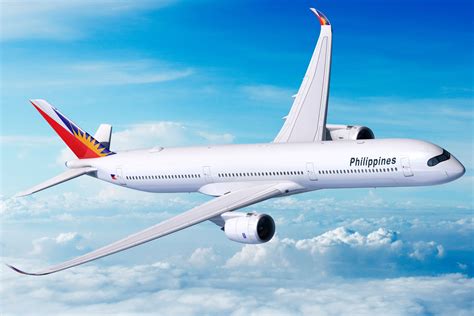
PAL’s Longstanding Relationships With Key Oneworld Members
One of the most compelling reasons behind PAL’s decision was the depth of its existing commercial relationships.
The airline has maintained a codeshare agreement with Malaysia Airlines since 2001, making it one of PAL’s longest-running international partnerships. Over the years, both airlines have worked together to improve connectivity throughout Southeast Asia and beyond.
PAL also developed cooperative arrangements with Cathay Pacific, Qantas, Alaska Airlines, and the combined Alaska-Hawaiian network. These partnerships allowed passengers to access more destinations while enabling airlines to share traffic flows across important markets.
By comparison, PAL did not possess the same level of integrated relationships with members of Star Alliance or SkyTeam. While the carrier had interline and commercial arrangements with airlines from those alliances, the depth and strategic significance of its oneworld partnerships were considerably stronger.
As a result, alliance membership became less about choosing between three options and more about formalizing relationships that already existed.
Strengthening Oneworld’s Presence in Southeast Asia
For oneworld, the addition of Philippine Airlines represents a major strategic victory.
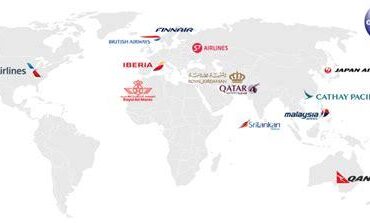
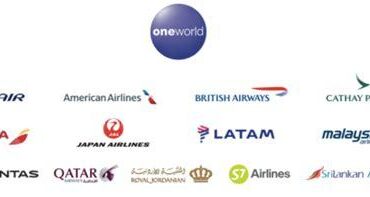
Although oneworld includes globally recognized airlines such as British Airways, American Airlines, Cathay Pacific, Japan Airlines, and Qatar Airways, its footprint in Southeast Asia has historically been smaller than that of some competitors.
With PAL joining the alliance, oneworld gains direct access to one of the region’s most important aviation markets. The Philippines has a rapidly growing travel sector, a large overseas population, strong tourism demand, and substantial business traffic connecting Asia with North America, Australia, and the Middle East.
PAL will become only the second Southeast Asian airline in the alliance alongside Malaysia Airlines, helping oneworld improve regional coverage and compete more effectively against rival alliances.
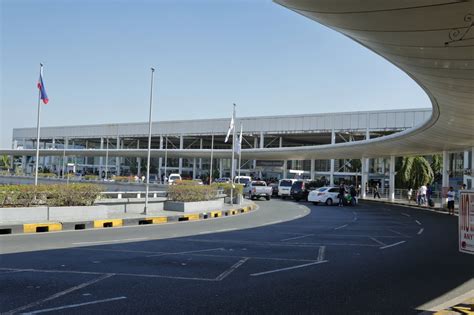
New Destinations and Expanded Connectivity
The arrival of Philippine Airlines will introduce 31 additional destinations into the oneworld network.
This expansion enhances the alliance’s existing reach of nearly 1,000 destinations across approximately 170 countries and territories. Many of PAL’s routes serve cities that are strategically important for tourism, labor migration, trade, and regional economic development.
The Philippines occupies a unique geographic position between East Asia, Southeast Asia, Oceania, and North America. As a result, PAL’s network complements existing oneworld members rather than simply duplicating routes already served by alliance partners.
This network compatibility was another important reason why PAL was an attractive candidate for membership. Alliance expansion works best when a new airline fills gaps in coverage, and Philippine Airlines provides exactly that opportunity.
Why Star Alliance and SkyTeam Were Less Attractive Options
Star Alliance remains the world’s largest airline alliance, while SkyTeam also maintains an extensive global presence. However, neither alliance appeared to offer the same strategic advantages available through oneworld.
From a commercial perspective, PAL’s most significant partnerships already existed within the oneworld ecosystem. Moving toward Star Alliance or SkyTeam would have required the airline to build entirely new strategic relationships while potentially reducing the importance of existing collaborations.
There was also a stronger alignment between PAL’s route structure and the networks of airlines such as American Airlines, Qatar Airways, Cathay Pacific, and Qantas. These carriers complement PAL’s operations across critical markets including North America, Australia, East Asia, and the Middle East.
In practical terms, oneworld offered PAL a smoother path to integration, fewer partnership conflicts, and immediate opportunities for network expansion.
What Membership Means for PAL Passengers
For travelers, the benefits of alliance membership will be substantial once PAL formally joins in 2027.
Members of the airline’s Mabuhay Miles loyalty program will gain the ability to earn and redeem miles across the entire oneworld network. Passengers will also receive access to reciprocal elite benefits that can include priority check-in, additional baggage allowances, fast-track airport services, and premium boarding privileges.
Perhaps most valuable is access to more than 700 airport lounges worldwide, dramatically expanding premium travel options for frequent PAL customers.
These benefits will not become available immediately, as regulatory and operational integration work must be completed before full membership takes effect. Nevertheless, the future advantages represent a major enhancement to PAL’s customer offering.

A Defining Moment for Philippine Airlines
Philippine Airlines’ decision to join oneworld reflects years of strategic partnership development rather than a sudden alliance choice. Strong relationships with American Airlines, Qatar Airways, Malaysia Airlines, Cathay Pacific, and other member carriers created a natural pathway toward membership that neither Star Alliance nor SkyTeam could easily match.
For PAL, the move delivers greater global reach, stronger competitive positioning, and valuable benefits for passengers. For oneworld, it strengthens a critical region where alliance competition continues to intensify. As PAL prepares for full integration in 2027, the partnership is set to reshape connectivity between the Philippines and the rest of the world while reinforcing oneworld’s influence across the Asia-Pacific aviation market.