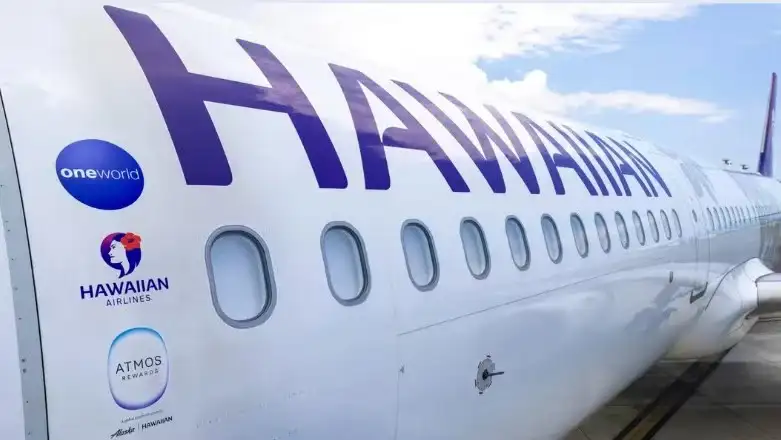
The global airline alliance landscape has gained a significant new member as Hawaiian Airlines officially joins the oneworld alliance, becoming the third United States–based carrier in the prestigious network. The move represents a major strategic milestone for the Honolulu-based airline and reinforces oneworld’s presence across the Pacific region, an area that continues to see strong growth in tourism and international connectivity.
For Hawaiian Airlines, the alliance membership follows a transformative period that began with its 2024 acquisition by Alaska Air Group. The integration has allowed Hawaiian to strengthen its operational capabilities while maintaining its identity as the primary airline connecting the Hawaiian Islands with North America, Asia, and the South Pacific. Joining oneworld now places the airline within a powerful global network that significantly expands travel opportunities for passengers while strengthening the alliance’s reach into the Pacific.
A Strategic Expansion for the oneworld Alliance
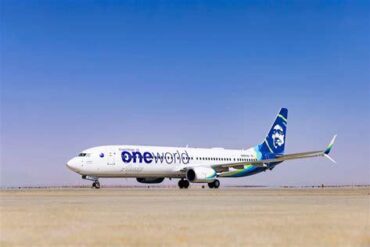
The addition of Hawaiian Airlines further strengthens oneworld’s footprint in the United States, complementing the existing presence of American Airlines and Alaska Airlines. While American dominates transcontinental and international routes from major mainland hubs and Alaska Airlines focuses heavily on the West Coast, Hawaiian brings something uniquely valuable: deep connectivity across the Pacific and within the Hawaiian Islands.
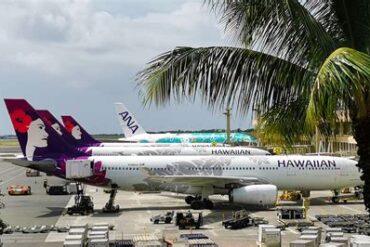
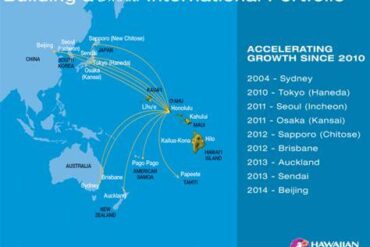
Hawaiian Airlines operates its primary hub at Daniel K. Inouye International Airport (HNL) in Honolulu, a strategic gateway between North America, Asia, and Oceania. From this location, the airline offers an extensive network that includes both domestic island services and international routes to destinations such as Rarotonga in the Cook Islands, Pago Pago in American Samoa, and Papeete in French Polynesia.
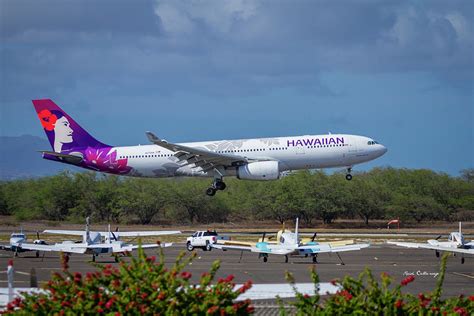
This network fills an important geographic gap for oneworld, giving the alliance stronger access to island destinations across the Pacific that were previously underserved within its portfolio of carriers.
Seamless Connectivity Across a Global Network
One of the most immediate benefits of Hawaiian Airlines joining oneworld is the improved connectivity for passengers traveling between the Hawaiian Islands and the rest of the world. Travelers can now enjoy seamless connections through major global hubs served by oneworld airlines.
Hawaiian already operates flights to several key alliance gateways, including:
- Los Angeles International Airport (LAX)
- John F. Kennedy International Airport (JFK)
- Tokyo Haneda Airport (HND)
- Seattle–Tacoma International Airport (SEA)
- Sydney Kingsford Smith Airport (SYD)
These airports act as major transfer points within the alliance, allowing passengers arriving on Hawaiian Airlines flights to easily continue their journeys with other oneworld members. This connectivity significantly expands travel options for both leisure and business travelers.
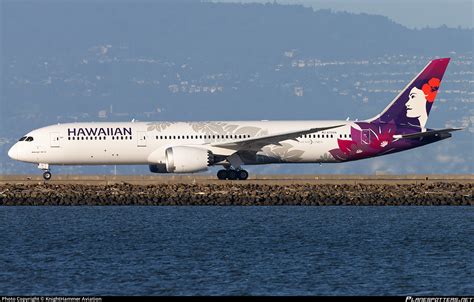
The alliance’s network spans over 1,000 airports in approximately 170 countries, supported by 13,000 daily departures operated collectively by its member airlines. For passengers departing Hawaii, this means smoother itineraries to destinations across Europe, the Middle East, Asia, Australia, and North America without the need for complex ticketing arrangements or disconnected loyalty programs.
Benefits for Loyalty Members and Frequent Travelers
The integration into oneworld introduces several important advantages for Atmos Rewards members and frequent travelers flying with Hawaiian Airlines. Customers now gain access to the alliance’s broader ecosystem of benefits, which are designed to make international travel more seamless and rewarding.
Passengers flying within the oneworld network can expect advantages such as:
- Reciprocal frequent flyer benefits
- Access to premium airport lounges worldwide
- Priority check-in and boarding
- Seamless baggage transfers between partner airlines
- Eligibility for round-the-world fares
Hawaiian Airlines Chief Executive Officer Diana Birkett Rakow emphasized that the alliance membership represents more than a commercial partnership—it reflects a cultural extension of the airline’s identity.
She described the alliance as an extended “ohana,” or family, highlighting how Hawaiian Airlines aims to introduce global travelers to the airline’s signature hospitality and the cultural richness of Hawaii.
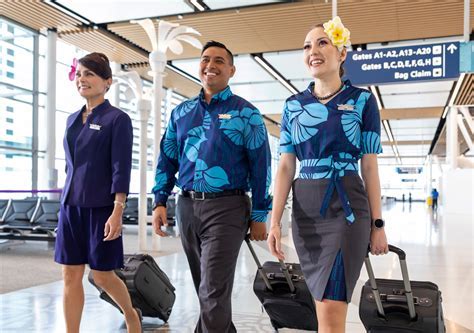
By combining Hawaiian’s renowned service with oneworld’s global reach, the airline hopes to attract more international travelers while strengthening tourism to the Hawaiian Islands.
Strengthening oneworld’s Position in Global Aviation
Founded in 1998 and operational since 1999, the oneworld alliance has grown into one of the most influential airline partnerships in the aviation industry. Headquartered in Fort Worth, Texas, the alliance collectively transports over 490 million passengers annually.
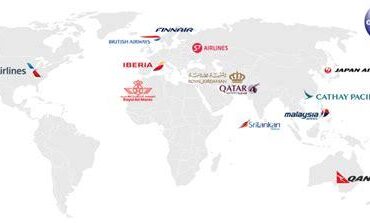
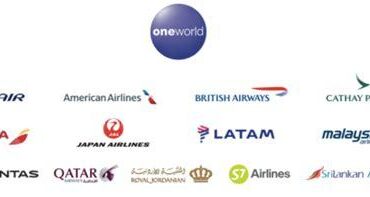
The addition of Hawaiian Airlines increases the alliance’s membership to 16 full airlines, joining an elite group that includes:
- American Airlines
- British Airways
- Cathay Pacific
- Japan Airlines
- Qantas
- Qatar Airways
- Finnair
- Malaysia Airlines
- Iberia
- Royal Air Maroc
- Royal Jordanian
- SriLankan Airlines
- Oman Air
- Fiji Airways
Together, these airlines operate a combined fleet of nearly 3,300 aircraft, making oneworld one of the most powerful airline alliances globally.
Hawaiian’s entry also strengthens the alliance’s presence in the Pacific Islands, where Fiji Airways previously represented the region.
Fleet Strength and Network Capabilities
Hawaiian Airlines operates a diverse fleet of 71 aircraft, designed to support both inter-island routes and long-haul international services. The airline’s fleet includes:
- 19 Boeing 717 aircraft primarily used for short inter-island flights
- 18 Airbus A321neo aircraft serving transpacific routes to the U.S. West Coast
- 24 Airbus A330-200 widebody jets for long-haul international travel
- 10 Airbus A330-300 cargo aircraft operating for Amazon Air
This fleet enables the airline to operate across 31 destinations spanning Hawaii, mainland United States, Asia, and the South Pacific.
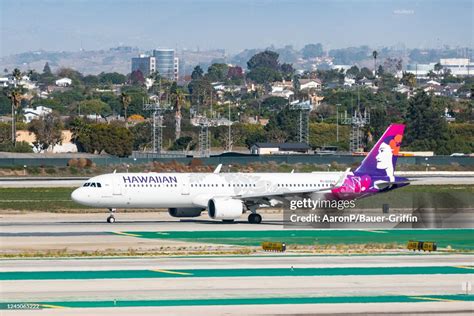
The airline’s widebody aircraft, particularly the Airbus A330, remain the backbone of its long-distance operations, offering passengers a comfortable experience on flights that often exceed eight hours.
The Future of Hawaiian Airlines Under Alaska Air Group
Following the Alaska Air Group acquisition, questions emerged regarding whether the iconic Hawaiian Airlines brand would eventually disappear. Industry observers noted that operational consolidation—including plans for a single air operator’s certificate—could signal deeper integration between the two airlines.
However, Alaska Air Group has reassured customers and employees that there are no immediate plans to eliminate the Hawaiian Airlines brand. Instead, the company appears focused on leveraging the strengths of both airlines to build a stronger network across the Pacific and North America.
The group has already begun adjusting several routes between the U.S. mainland and Hawaii, while also deploying newer aircraft such as the Boeing 787 Dreamliner to launch long-haul international services from Seattle to destinations like London and Rome.
For Hawaiian Airlines, joining the oneworld alliance represents a powerful next step in its evolution. The partnership enhances global connectivity, strengthens tourism links to Hawaii, and ensures that travelers from across the world can experience the islands with the convenience of a fully integrated global airline network.