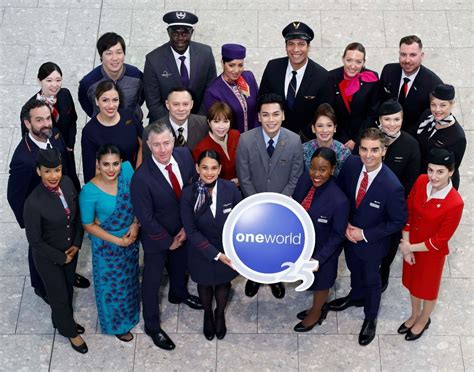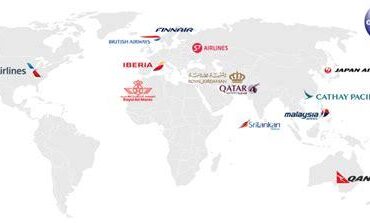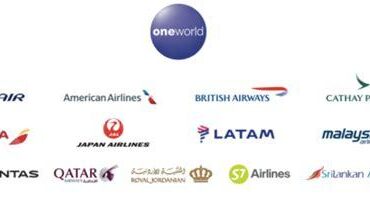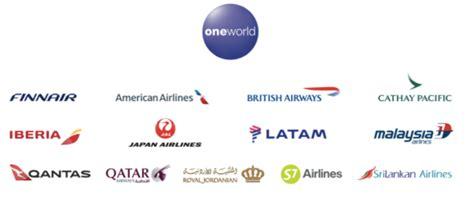
The Oneworld Alliance, a coalition of 15 of the world’s leading airlines, is making bold strides in transforming the modern travel experience. With American Airlines joining forces with global carriers like Qatar Airways, British Airways, Japan Airlines, and others, the alliance is launching a sweeping technological integration that promises to revolutionize air travel as we know it. This ambitious move positions Oneworld as a trailblazer in streamlining passenger journeys across continents and carriers, a leap forward set to reshape tourism and aviation alike.
A Unified Digital Platform for the Modern Traveler
The core of Oneworld’s initiative is its development of a single technology platform that unites all member airlines under one seamless digital umbrella. This system will consolidate core passenger services—from check-in to boarding, from baggage handling to lounge access—into a unified experience, regardless of which member airline the traveler books with.
Nat Pieper, CEO of Oneworld, emphasized in a recent press briefing that this technology integration marks a defining moment in the alliance’s history. The platform is expected to be fully operational by the end of 2025, paving the way for interconnected itineraries, where travelers move from American Airlines to Qatar Airways to British Airways without juggling separate apps, boarding passes, or baggage claim systems.
This might sound routine in a world dominated by digital apps and APIs, but in the complex, regulated environment of international air travel, it’s a monumental breakthrough.
Seamless Interline Journeys Across Member Airlines
Currently, multi-airline itineraries—even within the same alliance—can create logistical headaches. Passengers often need to check in separately, retrieve new boarding passes, or manually track their baggage. Oneworld’s new system eliminates these pain points.
Passengers will soon be able to:
- Use one mobile app of their choosing for an entire multi-airline journey.
- Receive a unified digital boarding pass for all segments, no matter the carrier.
- Track checked baggage across every flight leg, from origin to destination.
- Access airport lounges based on alliance status rather than airline-specific rules.
These upgrades are not merely cosmetic—they promise real operational efficiency and a vastly improved customer experience. This matters especially for business travelers and frequent flyers whose travel spans multiple carriers in a single journey.
Reinventing Baggage Handling and Lounge Access
One of the most significant benefits to flyers will be the cross-airline baggage tracking system. Imagine a passenger flying from New York to Tokyo, starting on American Airlines, connecting through Doha on Qatar Airways, and finally arriving in Tokyo via Japan Airlines. Under the traditional model, baggage issues could arise at each transfer point. With the new system, passengers will be able to track their luggage in real time through the same interface, dramatically reducing lost or mishandled luggage incidents.
Another transformational shift is in lounge accessibility. Traditionally, lounge privileges were tied to specific airline loyalty tiers or ticket classes. Under the new Oneworld system, passengers holding status with any alliance member will be able to enjoy lounge access across all airlines. This change particularly benefits premium-class and elite frequent flyers, simplifying their travel and adding value to their loyalty.

A Strategic Move Amid Rising Global Tourism Demand
Oneworld’s technology integration is strategically timed. Global tourism is rebounding post-pandemic, and demand for international, multi-destination travel is on the rise. By making interline journeys more seamless, Oneworld is positioning itself to capture a larger share of this booming market.
For tourists, especially those undertaking multi-country holidays or business trips, the tech upgrade means less stress and more efficiency. Having a unified digital experience reduces friction during connections, increases confidence in flight transfers, and contributes to an overall more enjoyable travel experience.
Premium travelers, in particular, stand to benefit significantly. Expanded lounge access, better baggage reliability, and app-based control over the journey all contribute to a more luxurious and controlled experience that aligns with their expectations.
Strengthening the Global Presence of Member Airlines
This initiative also solidifies the competitive positioning of Oneworld’s individual members. Airlines like British Airways, Cathay Pacific, and Finnair can now offer services that are tightly integrated with American Airlines or Japan Airlines without sacrificing brand identity or customer loyalty.
Each member airline benefits from shared resources while maintaining its own product standards. The new tech architecture allows these airlines to create consistent experiences across shared routes, hubs, and regional markets, boosting customer trust and encouraging repeat travel.
Reshaping the Future of Airline Alliances
Oneworld’s technological leap is not just an enhancement—it’s a redefinition of what airline alliances can offer. It transcends codesharing and lounge reciprocity. With data-sharing protocols, real-time syncing of flight and baggage info, and app-based control over entire journeys, the alliance is setting a new global benchmark.
The long-term implications for the industry are profound:
- Airlines will retain more passengers on multi-leg itineraries within the alliance.
- Customers will build deeper loyalty to the alliance rather than to single carriers.
- Operational costs may decline, as integrated systems reduce redundancies.
- Tourism-dependent economies may benefit from increased connectivity and passenger volume.
The rise of Oneworld’s digital ecosystem may also pressure competing alliances like Star Alliance and SkyTeam to accelerate their own tech integrations. In an era where digital convenience is paramount, alliances that fail to modernize risk being left behind.
Final Approach: Integration by Year-End
By the close of 2025, the Oneworld Alliance aims to have all member airlines fully integrated into its new digital system. That means travelers will be able to book, board, track, and relax under one simplified, intelligent platform—even when jumping across multiple continents and carriers.
For the traveler, it means the days of airline-hopping stress are numbered. For the tourism industry, it signals an era of greater collaboration, more efficient logistics, and a smarter global travel infrastructure.
As Oneworld enters this new chapter, its technological transformation is more than an internal upgrade—it’s a promise to the world’s travelers that interconnected global mobility is no longer just a vision, but a seamless reality.