Frequent flying can make airports and aircraft feel almost routine, but that familiarity can also lead travelers to overlook small habits that make a surprisingly large difference. Flight attendants, who spend enormous amounts of time moving between airports, aircraft cabins, hotels, and unfamiliar cities, tend to approach travel very differently from occasional passengers. Their routines are built around saving time, reducing stress, staying comfortable, and being prepared for situations that ordinary travelers may not consider until something goes wrong.
One of the biggest lessons from experienced cabin crew is that better travel is rarely about carrying more or paying for the most expensive service. It is about making smarter decisions before leaving home and maintaining a few simple habits throughout the journey. From packing a bag that is always ready to go to choosing the right seat and knowing how to behave during a long flight, these techniques can make frequent travel feel considerably easier.
For travelers who fly several times a year, these habits can become particularly valuable. Small inconveniences multiply when repeated dozens of times, while a good routine becomes more efficient with every trip. Flight attendants understand this better than almost anyone because their jobs require them to repeat the same travel cycle over and over again. Their advice therefore tends to focus less on novelty and more on practical habits that consistently work.

Pack Like a Flight Attendant and Keep Your Carry-On Ready
Packing efficiently is one of the easiest ways to change the entire airport experience. Flight attendants generally avoid filling their luggage with things they might need someday. Instead, they build a reliable system around essential clothing, compact toiletries, electronics, and items that serve more than one purpose. Rolling clothes can reduce wasted space and help prevent some creasing, while packing cubes allow travelers to separate categories such as underwear, workout clothes, sleepwear, or cables.
The most useful part of this approach is not necessarily the packing technique itself. It is the idea of maintaining a bag that is almost permanently travel-ready. Rather than unpacking everything after every trip, frequent travelers can remove dirty clothing, wash it, and return it to the same compartment. Only destination-specific items, such as heavier jackets or warm-weather clothing, need to be changed when the next trip calls for different conditions. This can turn packing from a tedious evening-long task into a quick routine.
Shoes deserve their own protection because they can easily transfer dirt onto clean clothing. A simple shoe bag keeps them separated and makes the interior of a suitcase considerably easier to manage. Multi-purpose clothing is also valuable. A lightweight layer that works on an aircraft, in a hotel, and during an evening out is much more useful than several specialized pieces that occupy valuable luggage space.
For frequent flyers, traveling light is often more important than maximizing what can fit inside a suitcase. A carry-on paired with a smaller personal or crew-style bag can make airport connections easier, particularly when walking between distant gates. A smaller bag that slides over the suitcase handle is especially convenient. A durable hard-shell suitcase can also be worthwhile for people who travel regularly because baggage takes considerably more punishment than it appears to from the passenger seat.
An empty reusable water bottle is another simple trick. Carrying it through security empty and filling it afterward can eliminate repeated purchases of expensive airport water while making hydration easier to maintain.
Arrive Early and Eliminate Unnecessary Airport Stress
Experienced flight attendants know that airports rarely operate according to the schedule passengers imagine when everything goes smoothly. Security queues can suddenly become longer, airport trains can become crowded, gates can move, and an apparently comfortable connection can disappear surprisingly quickly. That is why allowing two to three hours before a flight remains a useful general strategy, particularly at unfamiliar or busy airports.
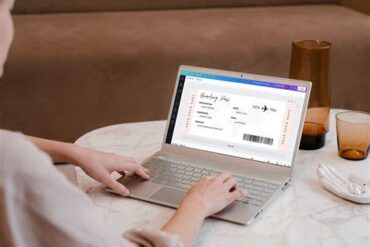
The goal is not to spend three hours staring at a departure screen. It is to create enough margin that an unexpected delay does not immediately become a crisis. Travelers carrying only hand luggage already have an advantage because they can avoid baggage-drop queues and will not need to wait at the carousel after landing. Online check-in can further reduce the amount of time spent completing routine airport procedures and may allow passengers to select a preferred seat before the best options disappear.
Seat selection can matter more than many occasional travelers realize. Passengers who are particularly sensitive to turbulence may prefer a seat near the aircraft’s wing, where movement can generally feel less pronounced than toward the rear. Someone planning to sleep on a long-haul flight may instead want to avoid locations near galleys and lavatories, where lights, conversations, doors, and crew activity can create repeated interruptions.
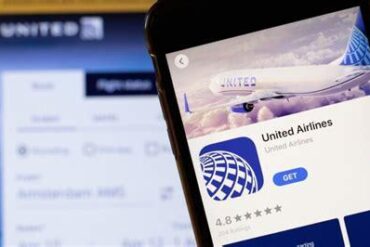
Frequent flyers should also make better use of the airline’s mobile app before departure. Boarding passes, meal preferences, seat changes, upgrade offers, airport information, and sometimes lounge options can all be handled before reaching the terminal. Checking these details in advance reduces the number of decisions that need to be made while rushing through the airport.
Early-morning flights can also be attractive for travelers who prioritize predictability. Depending on the airport and route, earlier departures may encounter shorter queues and have fewer accumulated operational disruptions from aircraft and crew rotations. It is not a guarantee of an on-time flight, but it can be a useful part of a broader strategy for reducing airport uncertainty.

Build a Personal Flight Comfort Kit
Flight attendants spend enough time in aircraft cabins to understand which small items are genuinely useful. A compact personal comfort kit can transform a long flight without requiring passengers to bring half their bedroom onboard.
Dry cabin air makes lip balm and a small moisturizer useful additions, while tissues and wet wipes have countless practical applications. A scarf is particularly versatile because it can provide warmth when the cabin feels cold without taking up much luggage space. Antiseptic wipes can also be used to clean frequently touched surfaces such as the tray table, although they should not replace normal hand hygiene.
For overnight or long-haul flights, an eye mask, earplugs, comfortable socks, and a compact travel pillow can make it easier to establish a sleep routine. Noise-canceling headphones are especially useful because they can reduce the constant background sound of engines and cabin activity. Passengers who prefer their own entertainment should download movies, television programs, music, podcasts, or ebooks before boarding rather than assuming the aircraft will have exactly what they want.
Hydration and food choices also have an outsized effect on how passengers feel after landing. Water should remain a priority, while excessive coffee, alcohol, very salty food, and heavy meals can make an already tiring journey feel worse. Small, familiar snacks can be useful when meal timing becomes inconvenient or when a traveler simply does not like the available onboard choices.
A power bank can be helpful when airport charging points are occupied, but it must be treated as a lithium-battery safety item. Power banks should not be placed in checked baggage, and passengers should follow the airline’s current rules regarding their use during flights. A small amount of preparation here can prevent the unpleasant experience of landing with a completely dead phone.
Follow Flight Attendant Etiquette and Respect the Cabin
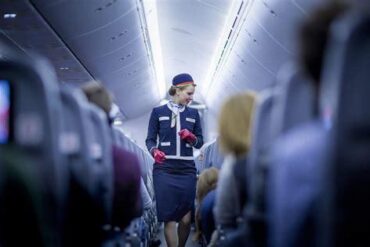
Good inflight etiquette is not simply about being polite. In a confined cabin, one passenger’s behavior can affect dozens of other people. Flight attendants regularly deal with passengers who forget this basic principle, which is why some of their most valuable advice concerns consideration for everyone sharing the aircraft.
Personal hygiene is particularly important. Shoes or slippers should be worn when walking through the cabin and especially when visiting the lavatory. Strong fragrances and strongly scented food can also become surprisingly intrusive in an enclosed environment. Travelers should keep their immediate seating area clean and dispose of their own rubbish rather than leaving it scattered around the seat.
Seat etiquette matters as well. The passenger in the middle seat has a strong claim to both armrests, giving that person at least one small advantage over being trapped between two other travelers. Reclining a seat during meal service is generally inconsiderate, and passengers should use headphones when watching or listening to personal entertainment.
When a flight attendant speaks to a passenger, removing headphones is a small but meaningful courtesy. It is even more important during takeoff and landing, when passengers need to be able to hear safety instructions and respond quickly if required.
Clothing is another overlooked part of travel preparation. In the unlikely event of an emergency evacuation, sturdy shoes and clothing that provides reasonable protection are preferable to flimsy footwear and exposed skin. Natural fibers may also be preferable to highly heat-sensitive synthetic materials in an emergency involving fire. Most importantly, passengers should never attempt to retrieve carry-on baggage during an evacuation. Essential items such as a passport, phone, keys, and money are better kept somewhere accessible on the person.
Use Flight Attendant Jet Lag Tricks After Landing
The flight itself is only part of the journey. Frequent flyers who cross several time zones can lose an entire day to poor sleep and fatigue if they do not adjust deliberately. Flight attendants often adapt their routines according to the size of the time difference. For a relatively small shift and a short trip, staying closer to home-base time can sometimes be practical. With a larger time difference, however, switching promptly to destination time is usually more effective.
Sunlight is one of the simplest tools available. Getting outside and taking a walk after arrival can help the body begin responding to the new schedule. Eating meals according to local time can reinforce the adjustment, while drinking plenty of water helps counter the dehydration and fatigue associated with travel.
Sleep needs to be handled carefully. When exhaustion becomes overwhelming, a short nap can provide useful recovery without completely destroying the ability to sleep that night. A nap of less than 90 minutes may be preferable to an uncontrolled afternoon sleep that leaves a traveler awake until the early hours.
Frequent flyers should also resist the temptation to pack every layover with sightseeing. Flight attendants often have only a limited number of hours between duties, and that experience teaches an important lesson for ordinary travelers: a short trip does not need an enormous itinerary. Choosing one or two worthwhile activities can produce a much better experience than racing across an unfamiliar city to check off six attractions.
Hotel habits deserve attention too. Travelers should avoid announcing their room number publicly, and basic room-security practices can provide an additional layer of caution. Once inside, checking the room and ensuring the door is securely locked are simple steps. A small doorstop may be useful to some travelers, although it must never interfere with emergency evacuation procedures.
Ultimately, the best flight attendant travel tips are not complicated. They revolve around preparation, efficiency, comfort, courtesy, and flexibility. Pack a dependable bag, arrive with time to spare, carry a few carefully chosen comfort items, respect the people around you, and give your body a realistic chance to adjust after landing. For someone who flies frequently, those small habits can turn travel from a repeated source of friction into a much smoother and more predictable part of life.