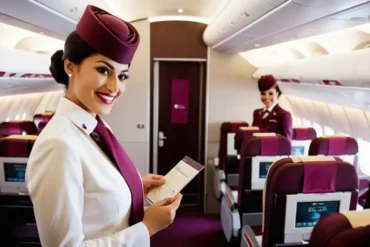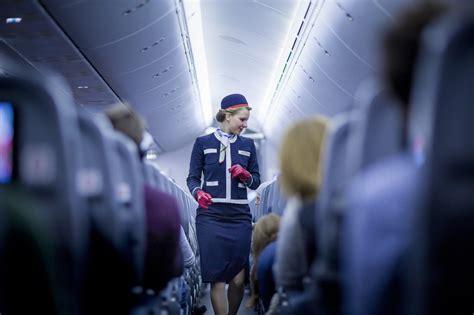
Air travel has changed dramatically over the last two decades. What was once considered glamorous now often feels rushed, crowded, and emotionally draining for both passengers and crew. Airports are louder, cabins are fuller, patience is thinner, and delays have become a normal part of the experience. Yet amid the chaos of modern flying, one truth still holds remarkably steady: passengers who show awareness, kindness, and respect toward cabin crew often receive noticeably better treatment onboard.
Not because flight attendants play favorites unfairly, but because human beings naturally respond positively to people who make difficult jobs easier. Cabin crew spend long hours in confined spaces managing safety responsibilities, customer service demands, medical incidents, delays, turbulence, conflicts, and hundreds of individual personalities packed into a metal tube at 35,000 feet. Small gestures that may seem insignificant to passengers can genuinely stand out to crew members working exhausting schedules across multiple time zones.
Many travelers assume special treatment comes only through elite frequent flyer status, expensive business-class tickets, or airline loyalty programs. In reality, some of the passengers flight attendants remember most are ordinary economy travelers who simply behave thoughtfully. A sincere greeting, patience during boarding, respect for safety procedures, and understanding during stressful moments can completely change how cabin crew interact with a passenger throughout a flight.
The difference is often subtle but meaningful. A complimentary snack. Faster assistance. Extra attention during service. More flexibility with seating when possible. A stronger willingness to help solve problems. Sometimes even a surprise glass of champagne or a handwritten note celebrating a birthday or honeymoon. These moments rarely happen randomly.
Flight attendants notice far more than passengers realize.
They observe behavior from the second someone steps onboard. They watch how passengers treat gate agents, how they handle delays, whether they acknowledge greetings, how they respond to instructions, and whether they create unnecessary stress during boarding. In many ways, the first five minutes onboard can shape the tone of an entire flight interaction.
The habits that earn special treatment are rarely complicated. In fact, they are usually rooted in basic etiquette, emotional intelligence, and awareness of how aircraft cabins actually function.
By understanding what flight attendants truly appreciate — and what instantly creates frustration — passengers can dramatically improve both their onboard experience and the atmosphere around them.
After all, the people serving drinks in the aisle are also highly trained aviation safety professionals responsible for saving lives in emergencies.
That perspective changes everything.
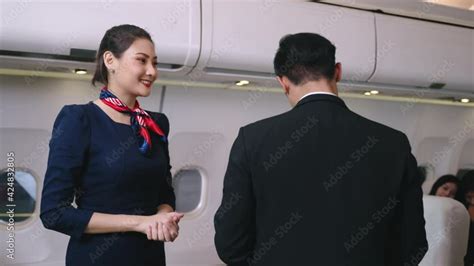
Why Flight Attendants Remember Certain Passengers Instantly
Boarding is one of the most stressful phases of any flight for cabin crew. While passengers are still finding seats and arranging bags, flight attendants are simultaneously performing security observations, monitoring passenger behavior, checking cabin readiness, managing overhead bin space, identifying potential safety concerns, and coordinating with pilots and ground staff under strict departure timelines.
To passengers, the cheerful greeting at the aircraft door may feel routine. For flight attendants, it serves multiple purposes.
Cabin crew are trained to quickly assess passenger condition and behavior during boarding. They observe intoxication levels, nervous behavior, medical concerns, aggression, mobility limitations, and overall attitude. A passenger who boards with frustration, entitlement, or hostility immediately becomes memorable for the wrong reasons. Conversely, travelers who smile, make eye contact, and offer a simple greeting instantly create a positive impression.
That matters more than many people realize.
Flight attendants repeatedly describe kindness as increasingly rare in modern air travel. Delays, overbooked flights, cramped seating, and social media-fueled impatience have transformed many cabins into emotionally tense environments. Crew members often absorb passenger anger for problems entirely outside their control, including weather disruptions, maintenance delays, gate changes, and missed connections.
A polite traveler therefore becomes a psychological reset point in the middle of a stressful shift.
Passengers who acknowledge crew as people rather than invisible service staff tend to receive warmer interactions naturally. It is not manipulation or favoritism. It is simply human response. When someone treats cabin crew respectfully, crew members become more emotionally invested in making that passenger’s experience smoother.
Even small details matter enormously.
Passengers who already know their seat number before boarding help reduce aisle congestion. Travelers who remove backpacks efficiently instead of turning around and hitting seated passengers with them make boarding easier. Those who place bags correctly in overhead bins without creating unnecessary space problems help speed up the process for everyone else.
Cabin crew notice all of it.
And yes, they absolutely remember the passengers who say “please” and “thank you.”
The Surprising Power Of Simple Manners At 35,000 Feet
One of the biggest misconceptions about flying is that flight attendants primarily evaluate passengers based on status, appearance, or ticket class. While premium cabin passengers naturally receive enhanced service tied to ticket pricing, everyday behavior still strongly influences crew interaction across every cabin.
Manners remain one of the strongest differentiators onboard.
A passenger who removes headphones when spoken to immediately signals respect. This small action prevents flight attendants from repeating questions multiple times while balancing heavy service carts in narrow aisles. During meal service, cabin crew may ask the same drink and food questions hundreds of times in a single shift. Passengers who prepare responses quickly and communicate clearly make service dramatically smoother.
That efficiency matters because cabin service is physically exhausting.
Many travelers never consider the repetitive strain involved in pushing carts, lifting containers, handling hot beverages during turbulence, and navigating crowded aisles for hours at a time. When passengers cooperate smoothly, service becomes faster and less stressful for everyone onboard.
The opposite behavior stands out immediately.
Passengers who snap fingers, grab uniforms, repeatedly ring the call bell for minor requests, or speak dismissively toward crew create instant frustration. Some outdated terms used for flight attendants also carry negative connotations rooted in decades-old stereotypes that diminish the professionalism of cabin crew roles.
Modern flight attendants are not “trolley dollies” or airborne waiters.
They are emergency responders trained in firefighting, decompression procedures, evacuation management, first aid, medical emergencies, security threats, and survival coordination. Airlines invest heavily in safety training because cabin crew are critical components of aviation safety systems.
Passengers who understand this dynamic tend to interact differently with crew. They become more cooperative during safety procedures and more patient during operational challenges. In return, flight attendants often become noticeably more attentive toward those passengers.
Respect changes the tone of an entire flight.
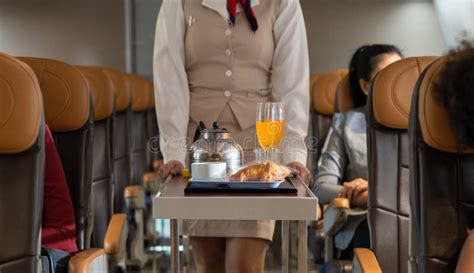
Why Following Instructions Makes Flight Attendants Trust You
Few things frustrate cabin crew more than passengers who treat safety instructions like personal inconveniences rather than mandatory procedures.
Every instruction given onboard exists for a reason grounded in aviation safety regulations and emergency planning. Tray tables must be secured because they can obstruct evacuation paths. Window shades remain open during takeoff and landing so crew can assess external hazards. Seatbacks must be upright to preserve evacuation clearance behind rows. Loose items require stowage because turbulence can turn ordinary objects into dangerous projectiles.
None of these procedures are arbitrary.
Flight attendants become highly aware of passengers who cooperate immediately because compliance indicates situational awareness and reliability. In an emergency, those passengers are statistically more likely to respond effectively and avoid causing delays or confusion.
Cabin crew mentally note that behavior.
Passengers who ignore instructions, argue over minor rules, or refuse participation in basic procedures create operational concerns. If someone cannot comply with simple seatbelt instructions during normal conditions, crew naturally question how that individual might react during an actual emergency.
Safety demonstrations reveal similar patterns.
Many passengers completely ignore them despite the fact that aircraft configurations vary significantly between airlines and aircraft types. Even experienced travelers may not know where the nearest exits are located on unfamiliar aircraft. In smoke-filled or dark evacuation conditions, confusion becomes deadly within seconds.
Flight attendants consistently appreciate passengers who visibly pay attention during demonstrations because it signals maturity and awareness rather than complacency.
Prepared passengers also make cabins safer overall.
Travelers who wear practical shoes, avoid obstructing aisles, secure bags correctly, and remain seated during turbulence reduce risk for themselves and others nearby. Flight attendants often quietly notice these passengers because they require less intervention and demonstrate strong travel habits.
Trust matters onboard.
Once cabin crew perceive someone as cooperative and safety-conscious, interactions typically become more relaxed and positive throughout the remainder of the flight.
The Boarding Habits That Separate Great Passengers From Difficult Ones
Boarding may look chaotic from the passenger perspective, but for flight attendants it functions almost like a carefully timed operation under pressure.
Every delay compounds rapidly.
Passengers blocking aisles while reorganizing luggage, searching for passports, debating seat assignments, or slowly removing electronics create traffic jams that delay departure readiness. Since many airlines operate on tight turnaround schedules, even minor disruptions can trigger operational consequences across multiple flights.
Efficient passengers therefore become highly appreciated.
Travelers who prepare entertainment items before boarding avoid repeatedly standing during taxi. Those who understand overhead bin etiquette help preserve storage capacity for everyone else. Bags placed wheels-first consume less space and reduce the need for cabin crew to constantly rearrange luggage.
Simple awareness creates enormous differences.
Passengers who wait for service carts to pass before visiting lavatories make aisle management easier. Travelers who avoid stretching or exercising in galley areas help maintain safe workspaces around hot liquids, ovens, and equipment. Those who remain seated during turbulence warnings reduce injury risk for themselves and crew alike.
Flight attendants deeply notice passengers who think collectively rather than individually.
Aircraft cabins operate as shared environments where one person’s behavior affects hundreds of others. Travelers who understand this dynamic naturally create less stress onboard, making crew more inclined to assist them positively.
This often influences subtle service decisions.
If extra snacks remain after meal service, crew are more likely to offer them to polite passengers they remember positively. If seating flexibility becomes available after boarding, respectful travelers may receive consideration first. When passengers need assistance with connections, special occasions, or minor requests, cooperative behavior significantly improves the likelihood of enthusiastic help.
None of this is officially transactional.
It is simply how positive human interactions naturally function in confined environments.
The One Thing Flight Attendants Never Want You To Do During Emergencies
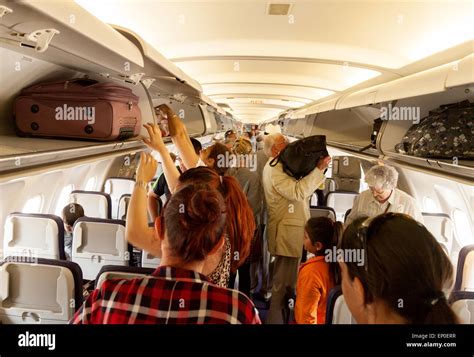
Among all passenger behaviors, one issue has become especially alarming for cabin crew worldwide: passengers attempting to retrieve baggage during evacuations.
This behavior terrifies flight attendants because it directly endangers lives.
Aircraft evacuations are designed around strict certification standards requiring full evacuation within 90 seconds, often under conditions involving smoke, darkness, panic, fire, or structural damage. Every second matters. Passengers stopping to collect luggage create bottlenecks that slow escape routes and increase fatality risks dramatically.
Cabin crew repeatedly emphasize that no possession is worth a human life.
Yet evacuation footage from multiple real-world incidents continues showing passengers carrying roller bags onto evacuation slides. Besides slowing movement, luggage can puncture slides, injure other evacuees, and obstruct exits.
Flight attendants never forget passengers who comply instantly during emergencies or turbulence situations. Calm, cooperative behavior helps crew maintain order and focus on critical safety priorities rather than confrontation.
The strongest passengers onboard are often the quietest and most cooperative.
That reality deeply shapes how crew perceive travelers throughout flights.
Why Small Gifts And Thank-You Notes Mean More Than Passengers Realize
Few gestures surprise flight attendants more positively than unexpected appreciation.
Cabin crew regularly work shifts extending 12 to 14 hours across changing time zones, irregular sleep schedules, difficult passenger interactions, and physically demanding conditions. Small acts of kindness therefore carry disproportionate emotional impact.
Simple treats can completely change the mood of a crew.
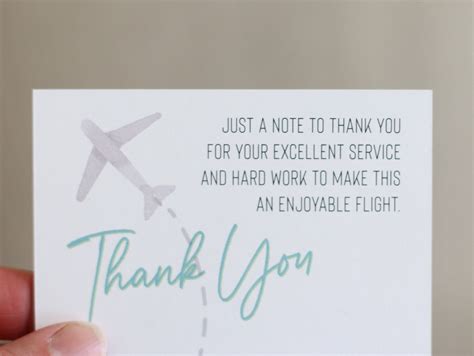
Coffee gift cards, chocolates, packaged snacks, lip balm, handwritten notes, or small thank-you bags are often remembered long after flights end. Crew members frequently share such gifts collectively, creating moments of morale and connection during exhausting duty days.
Importantly, gifts are never expected.
Most flight attendants genuinely emphasize that respectful behavior matters far more than material items. A sincere smile and patient attitude often leave stronger impressions than expensive presents. However, thoughtful gestures stand out precisely because they are rare.
Passengers celebrating birthdays, honeymoons, anniversaries, or milestone trips sometimes receive special surprises in return when crew feel emotionally connected to them. Extra desserts, complimentary drinks, personalized notes, or commemorative airline items occasionally appear at the crew’s discretion.
These moments are not guaranteed perks.
They are spontaneous expressions of appreciation between human beings sharing confined space for several hours.
Interestingly, appearance and clothing can sometimes influence operational decisions too. Travelers dressed neatly in smart-casual attire may occasionally receive upgrade consideration during oversold situations because airline staff view them as suitable representatives for premium cabins.
While behavior still matters most, presentation can subtly affect opportunities when airlines must make discretionary seating decisions.
The Passenger Traits Cabin Crew Quietly Love Most
The passengers flight attendants appreciate most are rarely demanding, flashy, or attention-seeking.
They are calm.
They are observant.
They understand that air travel functions best when everyone cooperates together.
These passengers board efficiently, listen carefully, stay patient during delays, and recognize that crew members are often managing far more behind the scenes than travelers realize. They understand that turbulence can interrupt service, maintenance issues can affect schedules, and weather disruptions remain outside human control.
Most importantly, they treat cabin crew with dignity.
That single factor consistently shapes onboard experiences more than passengers expect.
Flight attendants remember travelers who create peace instead of friction inside stressful environments. They remember the passenger who smiled during a delay instead of yelling. The traveler who thanked them after a difficult service. The person who helped another passenger lift luggage. The family whose children behaved respectfully. The exhausted business traveler who still acknowledged the crew kindly at landing.
Those interactions matter because modern flying can often feel emotionally exhausting for everyone involved.
Kindness cuts through that tension immediately.
The Real Secret To Better Treatment On Flights
Passengers searching for “special treatment” onboard often imagine secret tricks, elite-status loopholes, or hidden upgrade strategies.
The truth is both simpler and far more powerful.
Flight attendants respond best to passengers who make the cabin environment easier, calmer, safer, and more respectful. Genuine politeness remains surprisingly uncommon in modern air travel, which means even basic courtesy can stand out enormously.
A warm greeting.
Patience during delays.
Quick cooperation with instructions.
Awareness during boarding.
Respect during service.
A sincere “thank you” while leaving the aircraft.
These habits cost nothing, yet they consistently shape how cabin crew remember passengers and how willing they become to go the extra mile in return.
At the end of the day, flight attendants are not simply serving drinks above the clouds. They are trained professionals responsible for safety, crisis management, and the wellbeing of hundreds of strangers packed together in one of the most complex transportation environments on earth.
Passengers who recognize that reality often discover something interesting.
The better they treat cabin crew, the better the entire journey feels for everyone onboard.