In the exclusive world of private aviation, terminology matters—immensely. The difference between a cabin attendant and a flight attendant on a private jet isn’t just a matter of semantics; it’s a line that divides service from safety, hospitality from emergency preparedness. Understanding this distinction is crucial not only for passengers seeking the utmost in both luxury and protection but also for operators committed to maintaining the highest standards of professionalism.
The Core Distinction: Service vs. Safety
In the commercial airline industry, the roles are clearly defined. Every flight attendant is, first and foremost, a safety professional. Their purpose goes far beyond pouring drinks or offering a warm smile; they are meticulously trained in handling emergencies, administering first aid, extinguishing fires, managing evacuations, and protecting the cabin during high-stress scenarios. The minimum standard is often six weeks of intensive training covering a broad spectrum of safety disciplines.
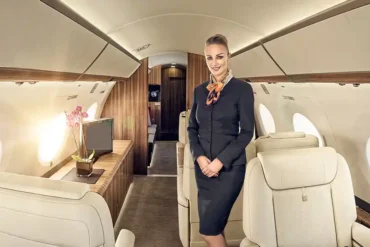
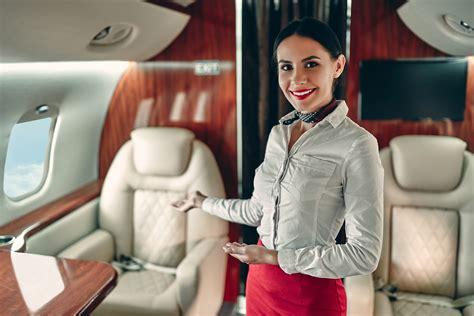
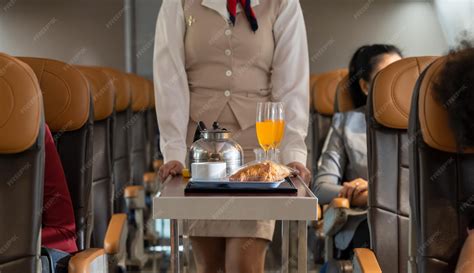
In private aviation, however, the landscape is different. A cabin attendant on a private jet may have no formal safety training whatsoever. Instead, their focus is often exclusively on delivering high-end service—think Michelin-level meals, personalized in-flight experiences, and white-glove hospitality. In many cases, these individuals are recruited from backgrounds in luxury hotels, superyachts, or fine dining, with little or no experience in aviation-specific emergencies.
This separation exists largely due to regulatory gaps. Both the Federal Aviation Administration (FAA) and European Union Aviation Safety Agency (EASA) do not require a flight attendant on jets with 19 seats or fewer. This loophole allows many private operators to fly without a certified flight attendant, employing service-focused cabin attendants instead.
Training Protocols: Commercial vs. Private Sector
The training that commercial flight attendants undergo is exhaustive and standardized. It includes:
- Safety and Emergency Procedures (SEP)
- First Aid and CPR
- Fire Fighting and Smoke Management
- Evacuation Drills
- Aircraft Type Certification
- Crew Resource Management (CRM)
- Security and Self-Defense
Conversely, many private jet cabin attendants receive only a few days of service-oriented training, if any at all. Even among luxury charter operators, the standards vary widely. While some companies invest in sending cabin attendants to aviation safety schools, others prioritize aesthetics, hospitality background, or budgetary considerations over formal flight safety training.
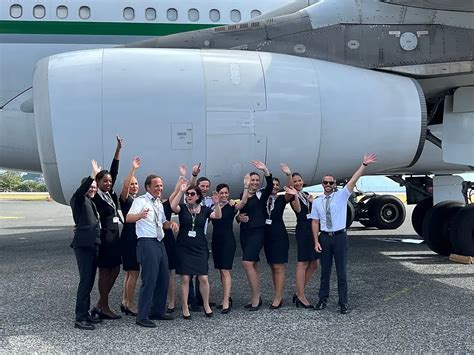
This discrepancy introduces a critical question: Is it ethical or safe to fly wealthy clients with untrained personnel in the cabin? The uncomfortable truth is that many passengers don’t know the difference and may assume, incorrectly, that their attendant is fully trained to handle an emergency.
Duties and Limitations of Cabin Attendants
Onboard private jets, cabin attendants often cannot legally perform tasks that their commercial counterparts do as routine. For example:
- They cannot open aircraft doors—only pilots are authorized.
- They are not equipped to manage decompression events or smoke emergencies.
- They are not trained to provide medical assistance beyond basic CPR, if that.
- In a serious incident, their lack of safety expertise can become a liability rather than an asset.
Meanwhile, a trained flight attendant can take control in a crisis, coordinate with the cockpit, handle passenger injuries, and follow strict protocols for both minor disruptions and catastrophic failures.
The Motivation Behind Minimal Safety Staff
Why would any operator choose not to have trained flight attendants onboard? The answer is twofold: cost and regulation.
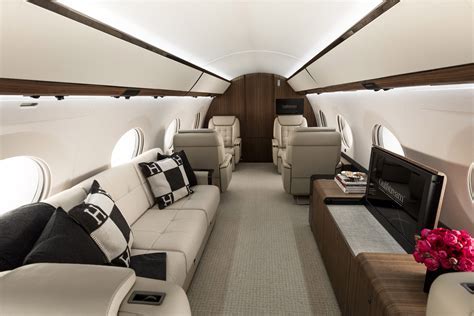
Private jet operators often find it more economical to staff flights with service-only personnel, paying them a lower salary and avoiding the expense of safety training or licensing. Additionally, by operating aircraft with under 19 seats, they legally circumvent the requirement for having safety-trained cabin crew. This strategic design decision isn’t coincidental—it’s a deliberate workaround that allows the aircraft to function luxuriously, without incurring the overhead associated with full regulatory compliance.
Passenger Assumptions and Ethical Grey Areas
For many passengers, flying on a private jet is synonymous with safety, luxury, and exclusivity. They may naturally assume that the cabin attendant offering them Dom Pérignon and lobster thermidor is also capable of leading an emergency evacuation.
This assumption is not just incorrect—it can be dangerous. In the rare but very real event of a cabin fire, depressurization, or onboard medical emergency, an untrained attendant may lack the knowledge, composure, or certification to respond effectively. Unlike on a commercial flight, where rigorous safety standards are enforced and audited, private jet operators enjoy much greater leeway.
Even more concerning is the fact that passengers rarely ask about their cabin crew’s training background. It is often not disclosed proactively, and unless inquired about, remains hidden beneath the facade of perfect service and luxury.
Terminology Confusion: A Glossary of Private Jet Roles
Adding to the ambiguity is the interchangeable use of titles in private aviation. Passengers may encounter titles such as:
- Cabin Attendant
- Flight Attendant
- Cabin Hostess
- Inflight Service Provider
These roles are not standardized across the industry. While “flight attendant” suggests safety certification, in private jet contexts, it is sometimes used loosely. A “cabin hostess” may be a trained flight attendant—or she may be a former five-star hotel manager with no aviation background at all.
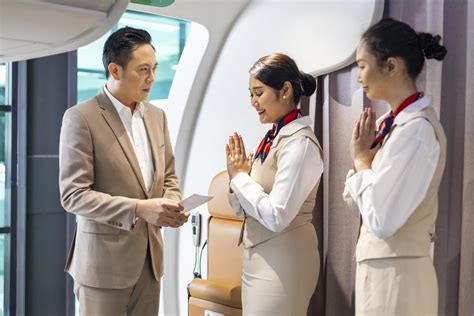
This lack of clarity only deepens the potential for misunderstanding. For operators, using a more prestigious-sounding title can be a marketing tactic, subtly implying a level of professionalism or training that is not necessarily present.
Toward a Safer Standard: The Case for Reform
The ideal solution is straightforward: all cabin crew, regardless of aircraft size, should receive full flight attendant training. The cost of six weeks of training is negligible when weighed against the price of the aircraft, fuel, and maintenance. For clients spending tens of thousands per flight, peace of mind should be part of the package.
Reputable charter companies are starting to adopt this philosophy. Some now require full safety training and certification for all onboard staff, even on smaller aircraft. Others go a step further, sending cabin crew to elite culinary and hospitality schools after aviation training—delivering both safety and five-star service.
This dual-competency model should be the future of private aviation. Operators who cut corners by hiring untrained service staff are not only endangering lives, but they are also compromising the long-term reputation of the industry.
Conclusion: Awareness and Advocacy
At the heart of this issue lies a simple truth: private aviation passengers deserve transparency. Knowing whether your cabin attendant is trained for emergencies is not a detail—it’s a matter of survival. Passengers should feel empowered to ask:
- Are the cabin crew certified in aviation safety?
- Have they undergone recent emergency and first-aid training?
- What protocols are in place should a mid-flight emergency occur?
By raising awareness and holding operators to higher standards, we can bridge the gap between luxury and safety. The allure of private jets should not come at the expense of preparedness. In the air, there is no substitute for knowledge, training, and the calm authority of someone who knows what to do when things go wrong.
Only then can the skies remain as safe as they are indulgent.