The terms “flight attendant” and “stewardess” may seem interchangeable, but they carry very different historical and cultural connotations. Though both describe professionals responsible for ensuring the safety and comfort of airline passengers, their usage reveals a deeper story of social progress, workplace equity, and linguistic transformation in the aviation industry.
The Historical Roots of “Stewardess”
In the early era of commercial aviation during the 1930s to 1950s, the title “stewardess” was exclusively used to describe female cabin crew members. Airlines at the time marketed the flying experience not only as a means of travel but as an aspirational luxury, placing a heavy emphasis on aesthetics and service. The term “stewardess” was thus romanticized—and objectified.
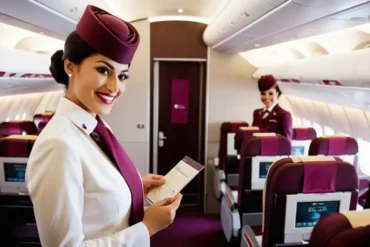
During the post-World War II boom in air travel, stewardesses were often depicted in advertisements as young, slim, white women in tailored uniforms who were there to serve and charm predominantly male passengers. Hiring criteria reflected this: stewardesses had to be between 21 and 26 years old, single, between 5’2” and 5’6” in height, and weigh no more than 135 pounds. They also had to be white, a disturbing reflection of the racial exclusivity of that time.
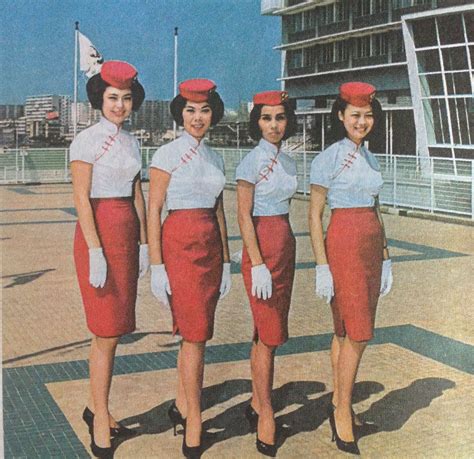
While many women viewed the stewardess job as a gateway to travel and independence, the role was severely limited by gendered expectations. They were seen as “models in the sky,” with their looks prioritized over their competencies in safety, communication, or emergency procedures.
From Stewardess to Flight Attendant: A Shift in Terminology and Equality
By the 1960s and 1970s, fueled by the rise of the women’s rights movement and broader calls for social equality, the term “stewardess” began to fall out of favor. Activists and aviation professionals alike pushed for a more inclusive, gender-neutral term that better reflected the true scope and responsibility of cabin crew members. Thus, “flight attendant” emerged as the new standard.
The adoption of “flight attendant” wasn’t merely a rebranding; it was a significant cultural correction. The title emphasized professionalism, gender neutrality, and competency, effectively dismantling the outdated and objectifying stereotypes that once defined the role.
The industry also moved to include men in these roles—historically referred to as stewards—who had previously been rare in commercial passenger service. The unified title “flight attendant” now applies to all individuals serving in this capacity, regardless of gender or background.
Modern-Day Qualifications and Responsibilities
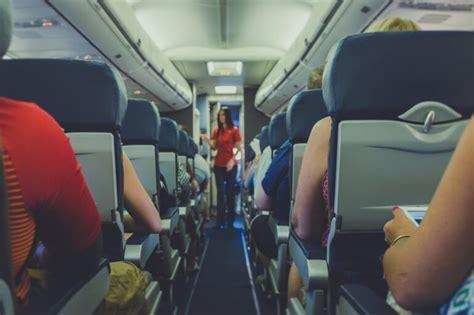
Today’s flight attendants are highly trained professionals whose primary role is to ensure the safety and well-being of passengers. While their work still includes hospitality and comfort services, the bulk of their training involves emergency preparedness, first aid, conflict resolution, and aviation safety protocols.
Educational and Physical Requirements:
Unlike the mid-20th century, current hiring standards focus on skill rather than appearance. Airlines typically require candidates to:
- Be at least 18 years old (21 for some international carriers)
- Hold a degree in hospitality, tourism, communications, or public relations
- Pass a comprehensive physical examination
- Be tall enough to reach overhead compartments
- Maintain a weight proportional to height
- Demonstrate fluency in English and possibly another language for international routes
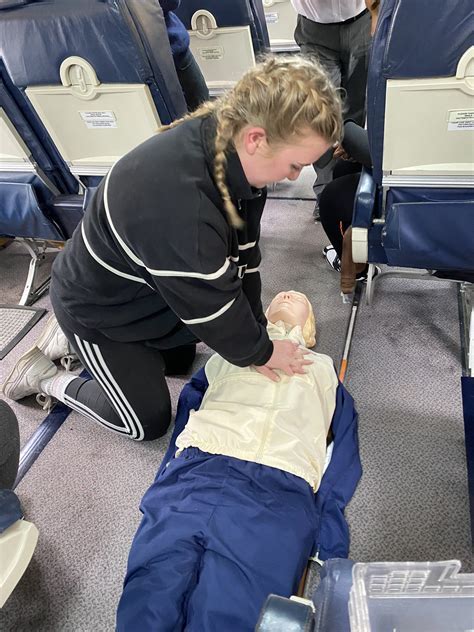
Flight attendants must also complete an intensive, FAA-certified training course that includes firefighting, water survival, medical emergencies, and aircraft evacuation drills. Upon completion, candidates are awarded their wings and become licensed crew members.
Core Duties: Beyond the Beverage Cart
While inflight service such as distributing food and drinks remains a visible part of the job, flight attendants today are first responders in the sky. Their responsibilities include:
- Conducting pre-flight safety checks and cabin inspections
- Demonstrating emergency equipment usage and evacuation procedures
- Assisting passengers during turbulence, medical incidents, or emergencies
- Managing special needs passengers, including unaccompanied minors and persons with disabilities
- Ensuring compliance with aviation regulations and safety policies
Their role is more akin to public safety officers than waitstaff—a distinction critical to understanding why the term “flight attendant” holds far more relevance and respect today.
Language, Power, and the Evolution of Titles
Language reflects social values, and in professional spheres, job titles carry immense weight. The shift from “stewardess” to “flight attendant” is part of a broader linguistic realignment toward inclusivity and respect. Similar transitions are visible in other fields as well: “fireman” to “firefighter,” “policeman” to “police officer,” and “mailman” to “postal worker.”
While some people still use “stewardess” out of habit or nostalgia, its usage is now widely considered outdated and inappropriate, especially in professional or international contexts. Major airlines, industry associations, and regulatory bodies exclusively use “flight attendant.”
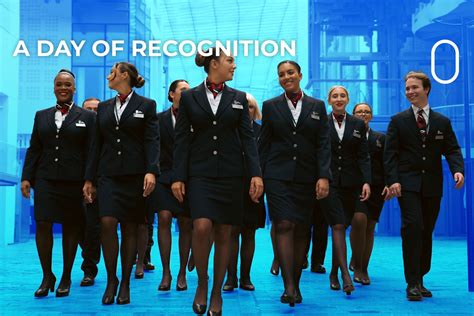
In fact, continuing to use “stewardess” can unintentionally undermine the professionalism and diversity that characterize modern aviation. Today’s crews include men and women of all ethnicities, ages, and backgrounds—united not by looks, but by training, skill, and a commitment to passenger safety.
Industry Evolution and Gender Balance
The demographic shift within the cabin crew workforce is perhaps one of the most telling indicators of the industry’s evolution. Men now make up a growing percentage of flight attendants, especially in international and premium carriers. According to recent FAA data, nearly 24% of U.S. flight attendants are male, a significant increase from just a few decades ago.
More importantly, the profession now attracts individuals seeking long-term careers in aviation. Many flight attendants move on to become senior purser roles, in-flight service managers, trainers, or even transition to aviation safety and operations roles. The once-dismissed position of stewardess is now seen as a gateway into a professional aviation career.
Cultural Perceptions and Media Influence
Pop culture has played a powerful role in shaping public perception. TV shows and films of the mid-20th century often portrayed stewardesses as glamorous, flirty, and disposable. In contrast, recent portrayals in series like Pan Am (2011) and The Flight Attendant (2020) delve into the complexities of the role, highlighting the intense demands, global exposure, and psychological resilience it requires.
These shifts not only reflect broader cultural awareness but also inform a new generation that aviation is a serious, technical, and highly skilled field. Titles matter—and choosing the right one acknowledges the dignity and professionalism of the people who serve at 35,000 feet.
Conclusion: A Job Redefined, A Title Respected
In essence, “flight attendant” is more than a politically correct replacement for “stewardess”—it is a declaration of respect for the people who uphold one of aviation’s most vital roles. It acknowledges not only the evolution of the airline industry but also the social progress we’ve made in recognizing professional capabilities over outdated stereotypes.
From the strict, appearance-based hiring of the 1950s to today’s merit-driven qualifications, the role of the flight attendant has been entirely redefined. It is a career rooted in responsibility, empathy, technical expertise, and global competence. Referring to these professionals accurately is not merely semantic—it’s essential to recognizing their value.
We owe it to the individuals who safeguard our journeys and serve our needs thousands of feet above the earth. So, let’s leave “stewardess” in the history books where it belongs, and instead honor the true title: flight attendant.