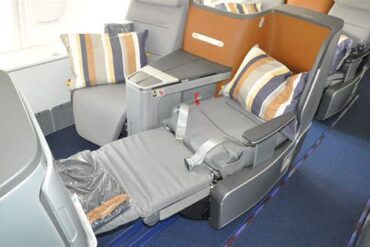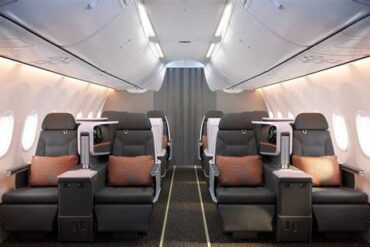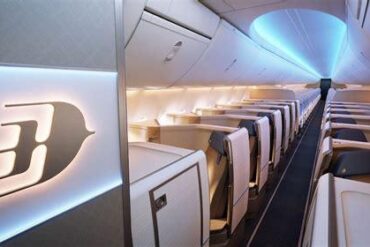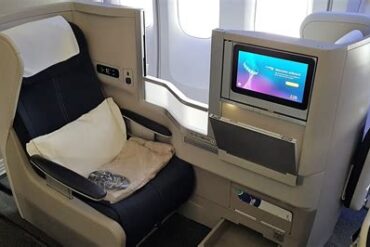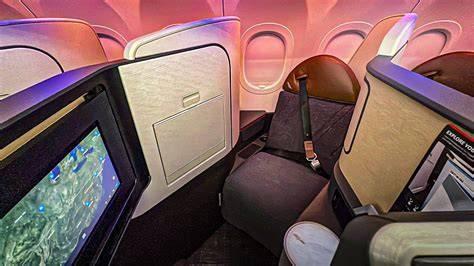
Narrowbody aircraft are entering a new era of premium travel. For decades, passengers associated lie-flat business class seats with large widebody aircraft such as the Airbus A330, Boeing 777, and Boeing 787. However, advances in aircraft range, cabin design, and premium demand are changing that perception. In 2026, several airlines will introduce long-range single-aisle aircraft featuring business class suites that rival traditional widebody products.
The arrival of the Airbus A321XLR has accelerated this transformation. With a range approaching 4,700 nautical miles (8,700 kilometers), the aircraft can connect cities previously requiring larger jets. Airlines can now operate thinner transatlantic and long-haul routes while still offering premium passengers a fully flat sleeping experience.
The move toward premium narrowbody cabins also reflects a broader shift in airline strategy. Instead of relying only on large hubs and high-capacity aircraft, carriers are increasingly exploring direct city pairs with smaller jets. A single-aisle aircraft equipped with premium suites allows airlines to serve profitable markets with lower operating costs while maintaining an attractive luxury product.
Among the airlines leading this change are Air Canada, United Airlines, American Airlines, Aer Lingus, and LATAM Airlines. Each carrier is approaching the concept differently, creating unique business class experiences designed around the limited space available inside a narrowbody fuselage.
LATAM Airlines Introduces Premium Suites On The Airbus A321XLR
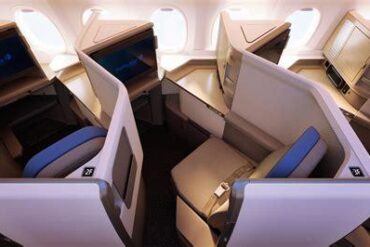
LATAM Airlines is preparing one of the most ambitious narrowbody premium cabin launches with its Airbus A321XLR fleet. The South American carrier plans to install 12 lie-flat business class suites in a dedicated configuration designed for medium- and long-haul international routes.
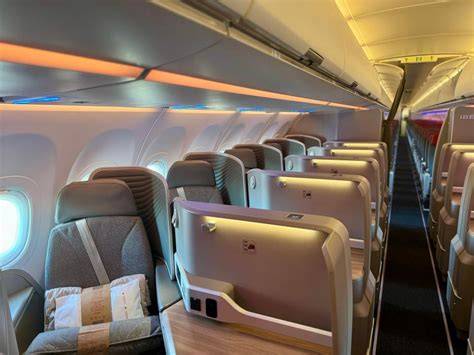
The airline selected the Thompson VantageSOLO seat, a product specifically developed for single-aisle aircraft. Unlike traditional business class seats arranged in wider aircraft cabins, this seat is optimized to maximize privacy and comfort within the narrower A321 fuselage.
The 1-1 seating arrangement provides every passenger with direct aisle access. This is a major improvement over older narrowbody business class layouts, where passengers often had to step over another traveler to reach the aisle. The suite design also incorporates privacy features, wireless charging, Bluetooth audio connectivity, and personal storage areas.
LATAM has also focused on creating a more social premium experience. The suites provide enough space for dining with a companion, demonstrating that privacy does not necessarily mean isolation. This approach attempts to combine the personal space expected by business travelers with the flexibility preferred by passengers traveling together.
The airline plans to operate a fleet of A321XLR aircraft from Lima and Brazilian cities, using the aircraft’s extended range to open new routes toward North America and Europe. Deliveries and international route launches are expected to begin in 2027, positioning LATAM among the airlines redefining long-distance narrowbody operations.
Air Canada Brings Signature Class Suites To Transatlantic Routes
Air Canada is another major airline embracing premium narrowbody travel with its A321XLR aircraft. The carrier has ordered 30 examples and plans to use them on routes connecting Canadian hubs with destinations in Europe.
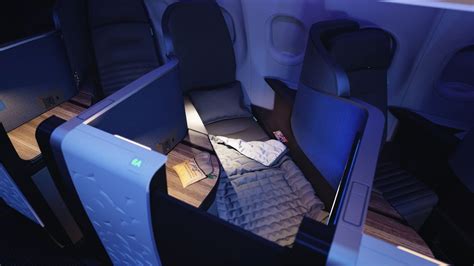
The aircraft will feature a 182-seat configuration, including 14 Signature Class lie-flat suites and 168 economy seats. Although the A321XLR is significantly smaller than Air Canada’s widebody aircraft, the premium cabin aims to deliver a comparable experience.
The airline selected the Collins Aerospace Aurora seat platform, which was developed specifically for narrowbody aircraft. The design focuses on maximizing usable cabin space while maintaining passenger comfort. Engineers adjusted the architecture around passenger movement, allowing more room for shoulders, knees, and personal belongings.
Air Canada’s implementation includes enhanced storage, improved in-flight entertainment options, personal power outlets, and premium finishes consistent with its existing business class product. The cabin layout demonstrates how airlines are finding creative ways to add luxury features without the physical advantages of a twin-aisle aircraft.
The A321XLR will allow Air Canada to serve markets where widebody aircraft may not be financially practical. Instead of filling larger jets every day, the airline can offer premium international service with a smaller aircraft while maintaining operational flexibility.
American Airlines Creates A High-Density Premium A321XLR Cabin
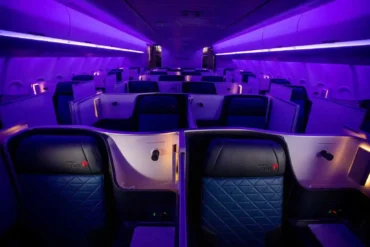
American Airlines is taking a particularly premium-focused approach with its Airbus A321XLR configuration. The carrier’s aircraft will feature 20 Flagship Suite business class seats, making premium passengers a significant portion of the cabin.
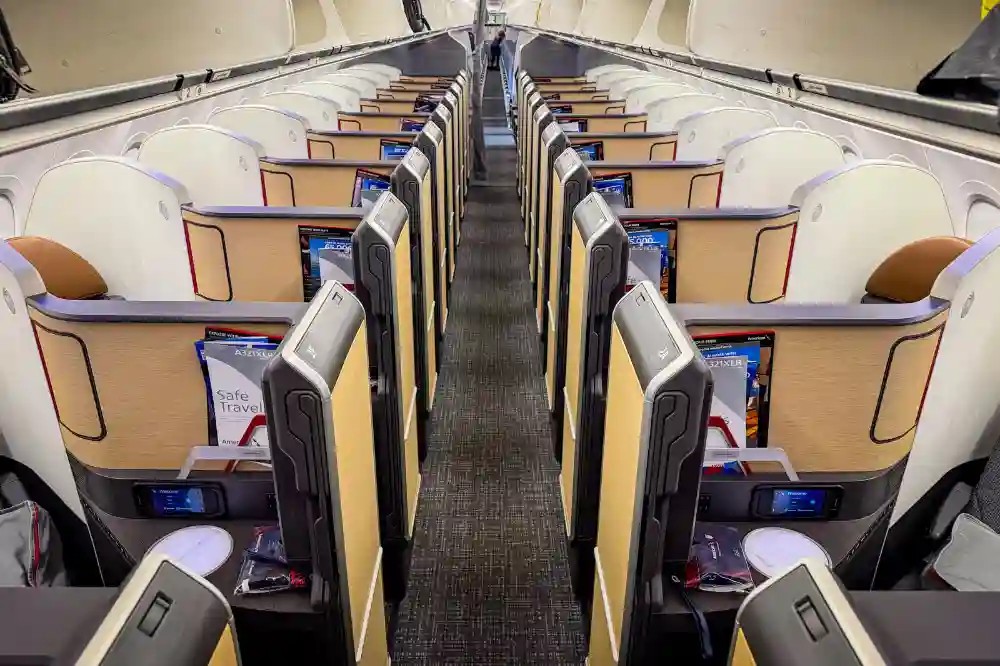
The Flagship Suite concept was first introduced on American’s Boeing 787 aircraft before expanding to the A321XLR. These seats include privacy doors, wireless charging, dedicated storage, upgraded entertainment systems, and premium dining options.
The narrowbody aircraft will also feature 12 premium economy seats, creating a cabin where approximately one-fifth of passengers receive a premium experience. This is an unusually high premium density for a single-aisle aircraft.
However, American’s new narrowbody business class has received mixed reactions from travelers. While the product includes many luxury features, some passengers have criticized the seat design and personal space compared with larger widebody suites.
The challenge highlights the difficulty of creating a true luxury experience inside a narrow fuselage. Airlines must balance passenger expectations with engineering limitations. A narrowbody jet can provide a lie-flat bed, but matching the spacious feeling of a widebody aircraft remains complicated.
Despite criticism, American’s decision demonstrates confidence that passengers will value direct routes and premium amenities even when flying on a smaller aircraft.
United Airlines Replaces Boeing 757s With Premium A321XLR Jets
United Airlines sees the Airbus A321XLR as a key replacement for its aging Boeing 757 fleet. The airline plans to operate 50 A321XLR aircraft, each featuring a premium four-class cabin.
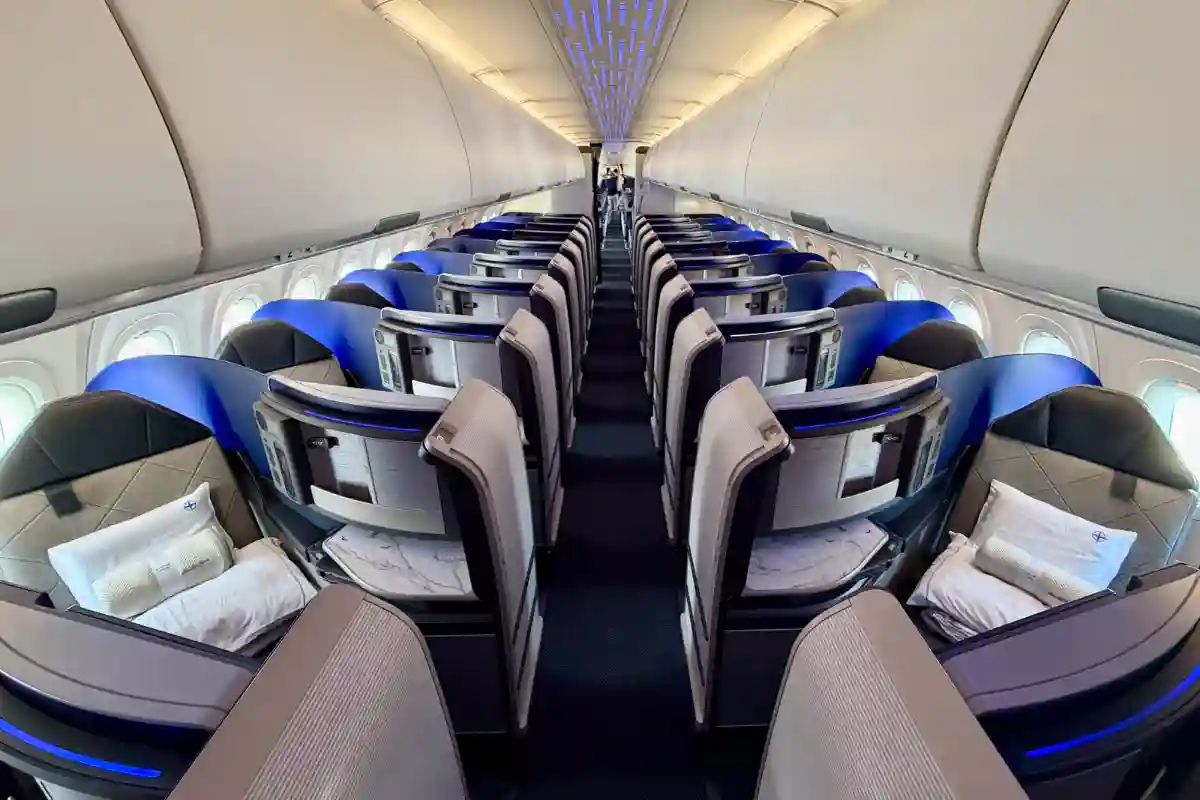
The aircraft will include 20 Polaris lie-flat business class seats, 12 Premium Plus seats, 36 Economy Plus seats, and 82 standard economy seats. Compared with United’s existing Boeing 757-200 configuration, the A321XLR provides significantly more premium capacity.
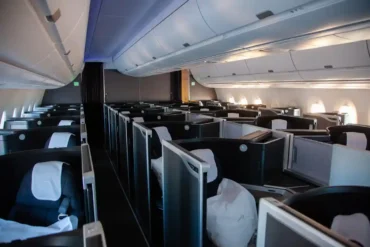
The Polaris seats will use a herringbone arrangement because of the aircraft’s limited width. Each seat faces slightly toward the aisle, creating direct aisle access and improved privacy.
United will also provide premium passengers with dedicated amenities, including access to a private lavatory shared with flight crew, a snack area, and high-speed Starlink Wi-Fi connectivity.
The airline believes the A321XLR offers major economic advantages compared with the 757. The new aircraft provides better fuel efficiency, lower maintenance costs, and greater range while allowing United to continue serving smaller international markets.
This strategy represents a major change in long-haul aviation. Instead of using large aircraft exclusively for international flying, airlines can now deploy smaller jets with carefully designed premium cabins.
Aer Lingus Adds Irish Hospitality To Narrowbody Long-Haul Flying
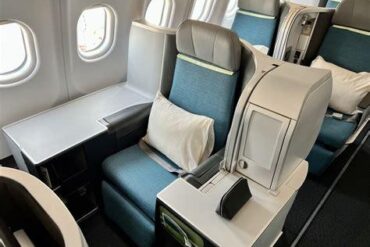
Aer Lingus is also preparing a premium A321XLR experience featuring 16 lie-flat business class seats. The Irish carrier is using Thompson Aero Seating technology to create a transatlantic cabin designed around comfort and practicality.
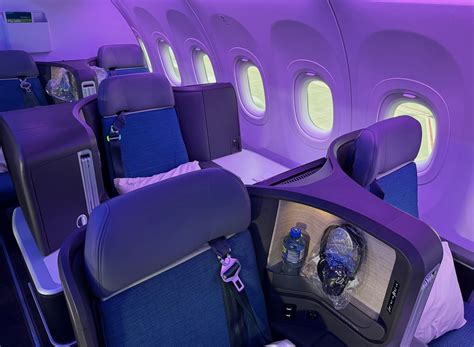
The seats provide a bed length of approximately 6 feet 5 inches (196 centimeters) and a width of around 22 inches. Passengers receive direct aisle access, massage functions, USB-A and USB-C charging ports, adjustable dining tables, and dedicated storage areas.
Entertainment is delivered through large 4K touchscreens featuring more than 120 hours of content. Bluetooth connectivity also allows travelers to use their own wireless headphones.
Aer Lingus has combined the upgraded seat with its signature onboard hospitality. Business class passengers can expect menus featuring Irish ingredients, seasonal dishes, and carefully selected wines.
The airline’s A321XLR fleet allows it to expand transatlantic connectivity without depending entirely on larger widebody aircraft. For a carrier with strong links between Ireland and North America, the aircraft provides a flexible tool for expanding premium routes.
Why Lie-Flat Seats Are Transforming Narrowbody Aviation
The introduction of lie-flat business class on narrowbody aircraft represents more than a cabin upgrade. It signals a fundamental change in how airlines think about route planning.
The traditional model depended on large aircraft flying between major hubs. However, passenger demand is increasingly shifting toward direct connections between smaller markets. The A321XLR and similar aircraft allow airlines to operate these routes efficiently.
Premium passengers are also becoming more important financially. Business class travelers often generate a significant share of airline revenue, encouraging carriers to invest heavily in better seating, privacy, and onboard services.
The success of these narrowbody premium cabins will depend on whether airlines can convince passengers that smaller aircraft can still deliver a luxury experience. While space limitations remain, modern seat technology has already transformed what is possible inside a single-aisle jet.
In 2026 and beyond, the line between narrowbody and widebody premium travel will continue to disappear. The next generation of long-range narrowbody aircraft proves that a smaller airplane does not necessarily mean a smaller experience.