For more than two decades, British Airways has occupied a unique position in the evolution of premium air travel. While many airlines have introduced impressive business class products, few can claim to have fundamentally changed what passengers expect from the cabin itself. In March 2000, British Airways accomplished exactly that when it became the first airline in the world to introduce a fully flat bed in business class on a commercial scale. The launch transformed business travel forever, creating a standard that would eventually be adopted across the global airline industry.
Today, more than 25 years later, British Airways continues to reinvent the very concept it pioneered. Through the transition from the revolutionary Club World bed to the modern Club Suite and the upcoming next-generation products expected aboard future aircraft, the airline remains deeply involved in the ongoing competition to redefine premium flying.
The Moment British Airways Changed Business Class Forever
Before the year 2000, business class was fundamentally different from what travelers know today. Airlines competed through wider seats, enhanced meal services, priority check-in facilities, and lounge access. Comfort improvements existed, but sleeping on long-haul flights remained a compromise. Seats reclined further than those in economy class, yet passengers still arrived at their destinations tired after overnight journeys.
British Airways recognized a significant gap in the market. While first-class passengers enjoyed beds or near-bed experiences, business travelers—many of whom flew more frequently—were left without a truly restorative sleeping option.
The airline responded with one of the most influential cabin innovations in aviation history.
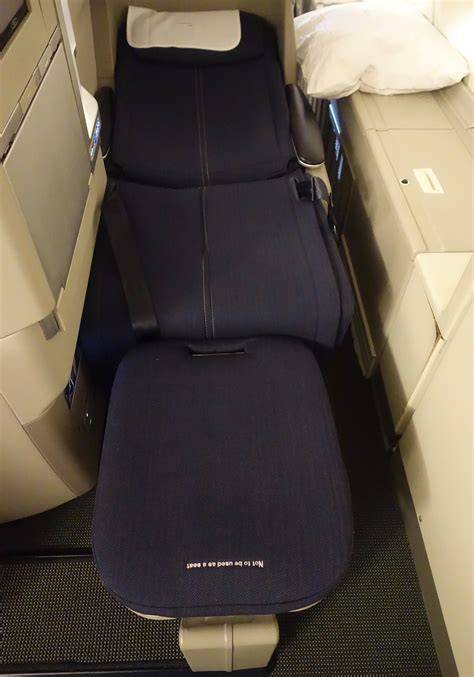
In March 2000, British Airways introduced its redesigned Club World product on Boeing 747 flights between London Heathrow and New York JFK. Developed alongside the renowned London design consultancy Tangerine under the internal codename Project Dusk, the new cabin featured something unprecedented: a fully flat bed available in business class.
The significance of this launch cannot be overstated. British Airways was not merely improving a seat. It was redefining an entire category of air travel.
The innovation demonstrated that genuine lie-flat sleeping surfaces could be offered at commercial scale within a business-class cabin while maintaining profitability. What had previously been considered an exclusive first-class feature suddenly became accessible to a much broader group of travelers.
The industry immediately took notice.
Within a few years, airlines around the world were developing their own versions of lie-flat business class products. The modern premium travel experience that millions of passengers enjoy today can trace its origins directly to British Airways’ groundbreaking decision in 2000.
The Engineering Challenge Behind the Revolutionary Yin-Yang Layout
Creating fully flat beds in business class was not simply a design exercise. The greatest challenge was fitting enough seats into the aircraft to make the concept financially viable.
British Airways needed to accommodate 96 business-class passengers aboard its Boeing 747 fleet while still providing each traveler with a bed capable of lying completely flat. Traditional cabin layouts made this objective nearly impossible.
Tangerine’s solution became one of the most recognizable seating concepts ever introduced in commercial aviation.
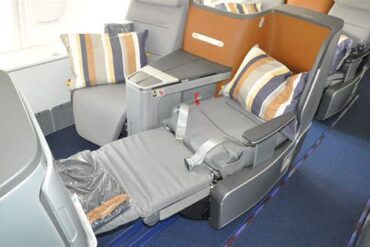
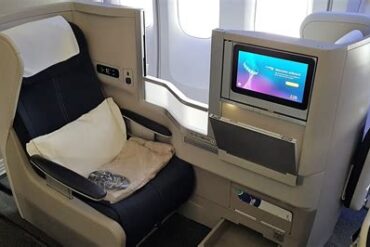
Known as the yin-yang configuration, the layout alternated forward-facing and rear-facing seats throughout the cabin. This unconventional arrangement allowed designers to maximize available floor space while maintaining passenger density levels required for commercial success.
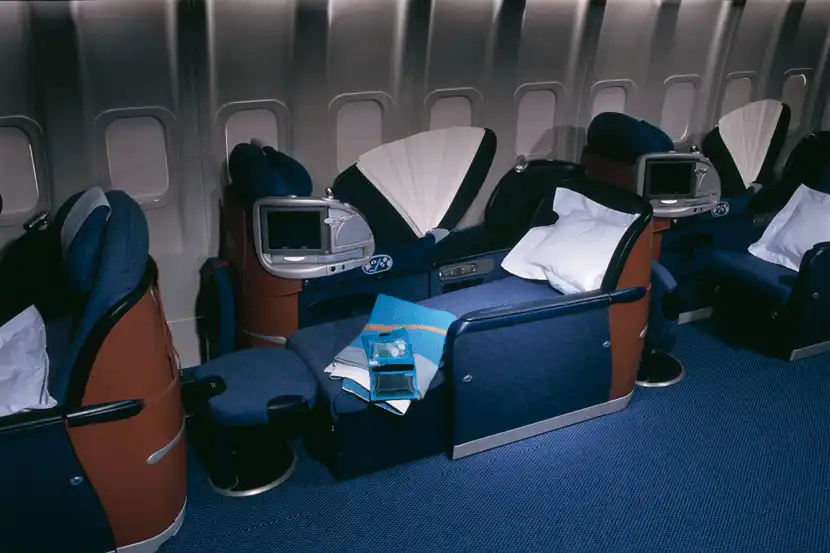
The design initially surprised travelers. For decades, airline passengers had expected every seat to face forward. Suddenly, many British Airways business-class customers found themselves facing the rear of the aircraft.
Despite the unusual orientation, the layout worked remarkably well from an engineering perspective. It enabled British Airways to deliver an experience previously reserved for first class while preserving the economics necessary for high-demand transatlantic operations.
More importantly, it proved that fully flat beds could be scaled across large premium cabins. This achievement fundamentally altered airline thinking worldwide.
Business class was no longer viewed as a superior recliner. It became a bedroom in the sky.
How British Airways Created a New Global Standard
Many aviation innovations remain unique to the airline that develops them. The fully flat business-class bed was different.
Instead of remaining a niche feature, it rapidly became the benchmark by which all premium cabins would be judged.
As passenger expectations evolved, airlines recognized that sleep quality had become one of the most valuable elements of long-haul travel. Corporate travelers increasingly selected carriers based on cabin comfort rather than loyalty alone. Leisure passengers paying premium fares demanded experiences that justified the additional cost.
The result was a global race toward lie-flat business class.
Major airlines across Europe, North America, Asia, and the Middle East launched competing products. Over time, direct aisle access, enhanced privacy, larger entertainment screens, and improved bedding joined the list of expected features.
Yet every step of this evolution originated from the moment British Airways demonstrated that a fully flat business-class bed could operate successfully on some of the world’s busiest international routes.
The airline had effectively rewritten the rulebook.
When Innovation Became a Competitive Disadvantage
Ironically, the very product that made British Airways a pioneer eventually became one of its greatest weaknesses.
For nearly two decades, the airline continued refining the original Club World concept without fundamentally redesigning it. While incremental improvements were introduced, the core yin-yang architecture remained largely unchanged.
Meanwhile, competitors accelerated innovation.
The premium cabin landscape evolved dramatically during the 2010s. Airlines began emphasizing privacy, personal space, and direct aisle access. Travelers increasingly viewed these features as essential rather than optional.
By the middle of the decade, British Airways faced a growing challenge.
New business-class products arriving across the industry offered substantially improved passenger experiences. Reverse-herringbone configurations, enclosed suites, and enhanced storage solutions became common features among leading carriers.
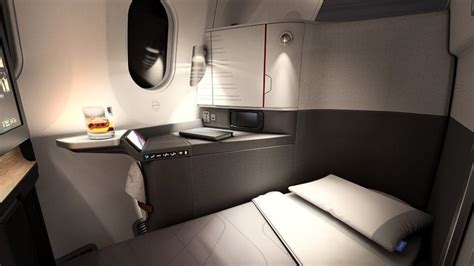
The most significant weakness of the aging Club World design involved accessibility. Certain window-seat passengers still needed to navigate around neighboring passengers to reach the aisle. Overnight flights amplified this inconvenience, particularly when fellow travelers were sleeping.
Rear-facing seating also remained controversial among some passengers. Although studies suggested little operational difference during flight, customer preference consistently favored forward-facing positions.
As competitors introduced increasingly sophisticated products, British Airways found itself operating a cabin that no longer reflected its pioneering legacy.
The airline that had once defined the future of business class was now chasing industry leaders.
Club Suite: The Strategic Reset That Changed Everything
British Airways responded decisively in 2019.
The introduction of Club Suite aboard the airline’s first Airbus A350-1000 represented the most significant business-class transformation since the original lie-flat bed launch nearly two decades earlier.
Rather than updating the existing concept, British Airways effectively started over.
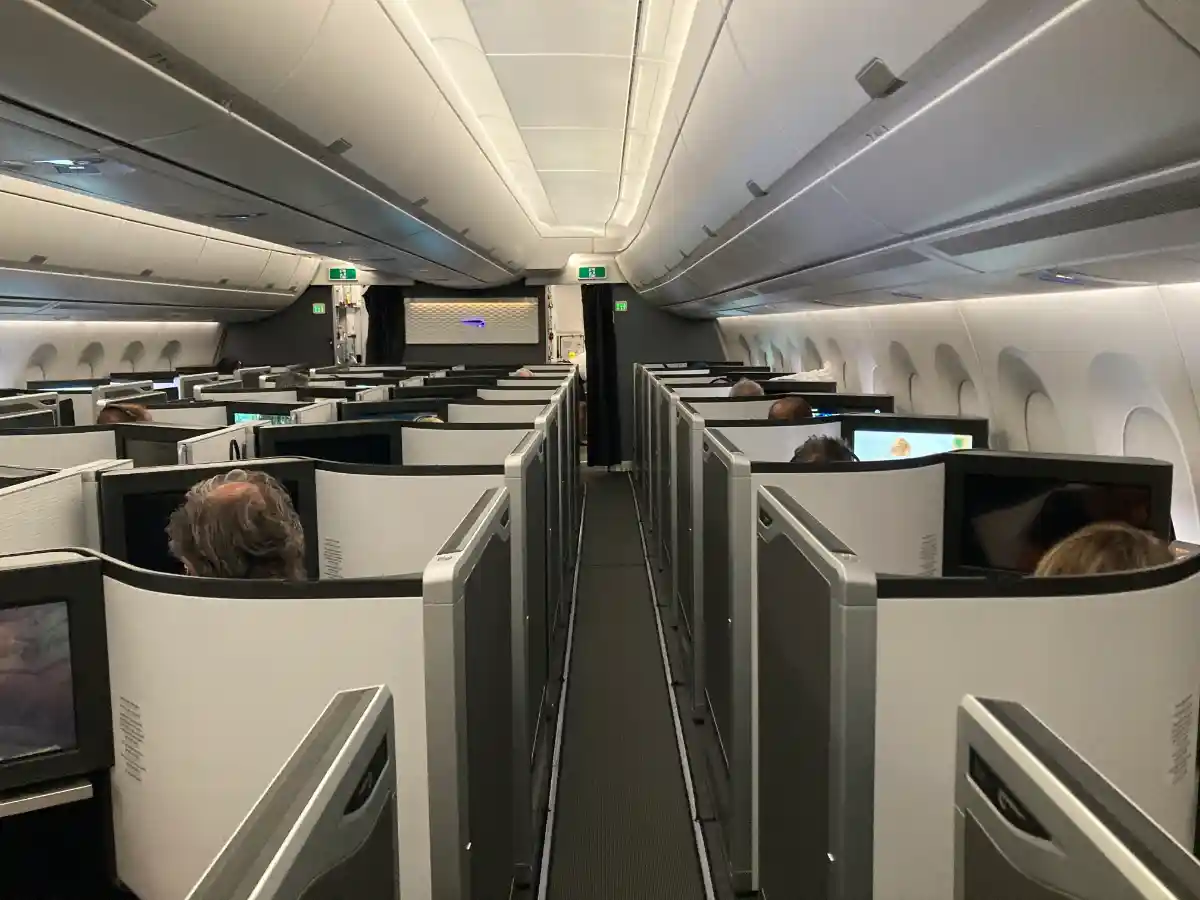
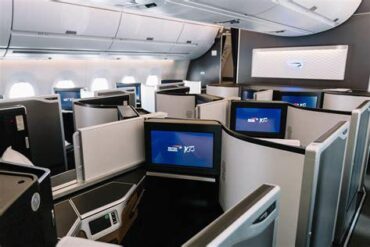
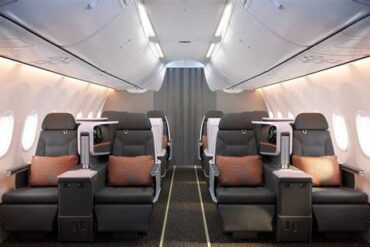
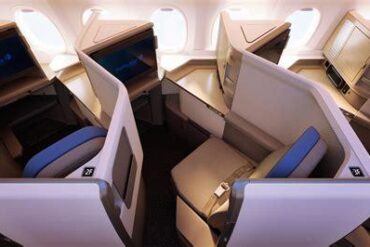
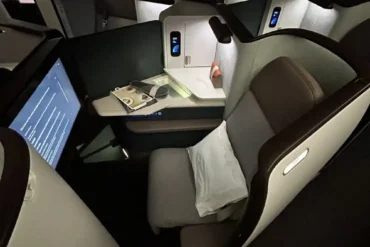
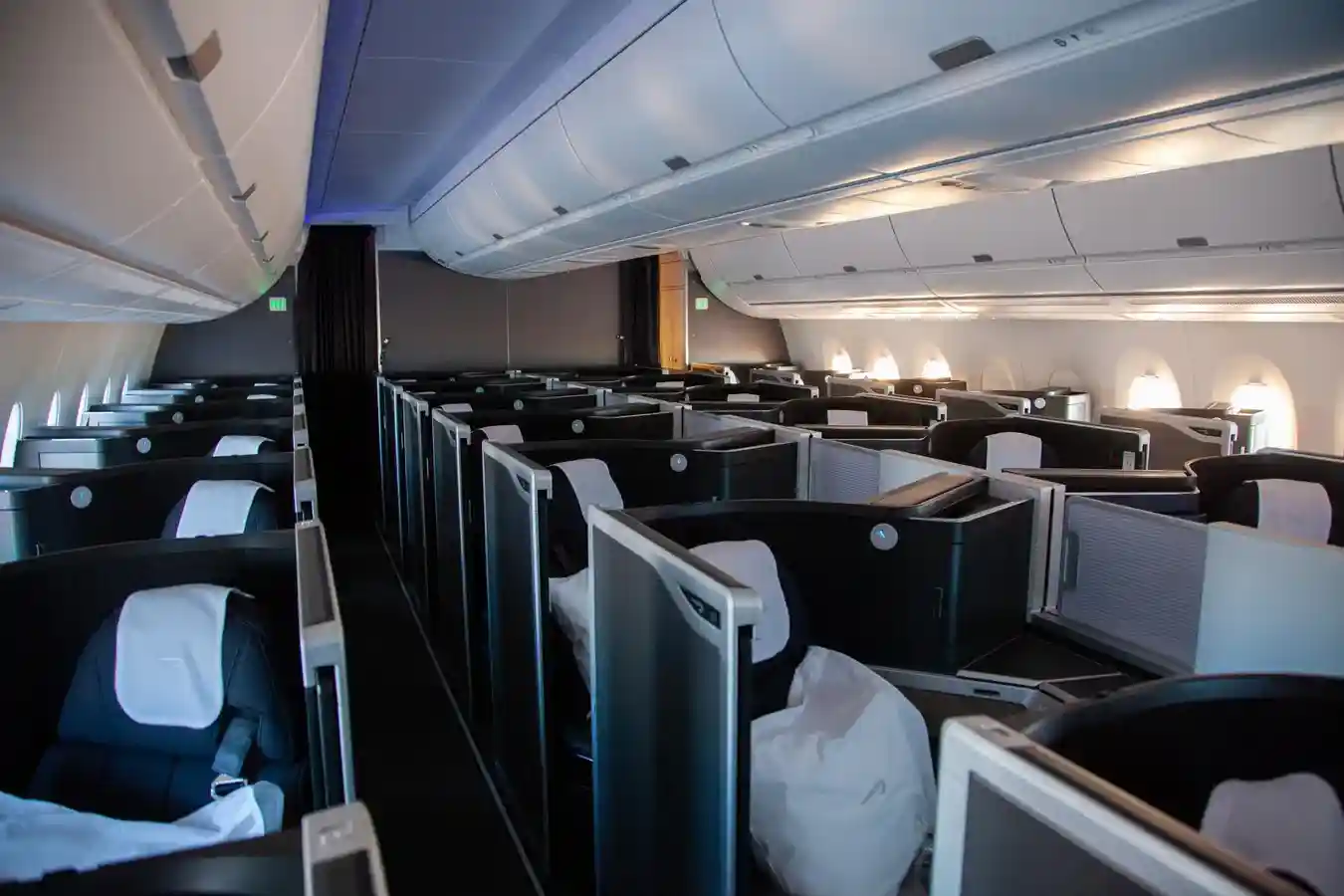
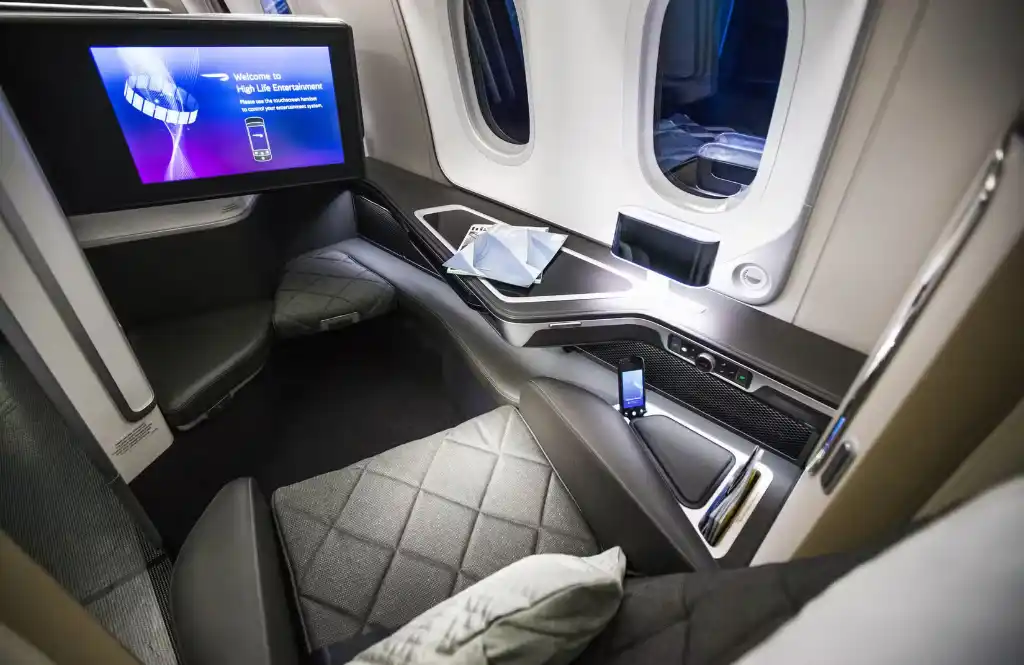
The new cabin adopted a 1-2-1 reverse-herringbone configuration, ensuring that every passenger received direct aisle access. The arrangement eliminated one of the most frequently criticized aspects of the older design while aligning the airline with contemporary premium cabin standards.
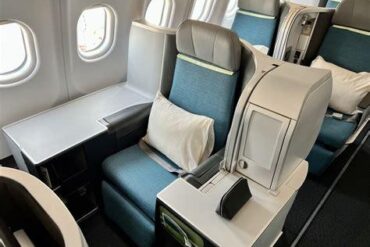
Each Club Suite seat converts into a fully flat bed measuring approximately 6 feet 6 inches in length. Passengers enjoy significantly larger personal spaces, enhanced storage areas, advanced seat controls, and larger entertainment displays.
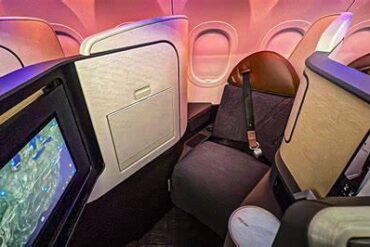
Perhaps most importantly, every suite includes a sliding privacy door.
While not extending to full cabin height, the door dramatically changes the passenger experience. Travelers gain a sense of personal space previously unavailable in British Airways business class.
The difference between old and new products is profound.
Passengers no longer climb over seatmates. Every traveler faces forward. Privacy levels increase substantially. Storage capacity improves. Technology integration becomes more sophisticated.
Club Suite effectively repositioned British Airways among the industry’s leading premium carriers.
Why Fleet-Wide Transformation Took Years
Introducing a new business-class product across a global fleet is far more complex than launching it on a single aircraft type.
Although the Airbus A350-1000 entered service with Club Suite from day one, much of the airline’s long-haul fleet continued operating older cabins for years.
This created an unusual situation.
Passengers booking British Airways business class could receive either one of the industry’s newest premium products or one of its oldest, depending entirely on aircraft assignment.
The airline embarked on an extensive retrofit program involving Boeing 777s, Boeing 787s, and eventually the Airbus A380 fleet. Each retrofit required substantial investment, engineering certification, aircraft downtime, and logistical planning.
Despite these challenges, the rollout steadily progressed.
By early 2026, nearly all Heathrow-based Boeing 777-200ER aircraft had received Club Suite installations. The entire Boeing 787-8 fleet had been upgraded, while all Boeing 777-300ER aircraft featured the new product.
The transformation represented one of the most ambitious cabin modernization efforts undertaken by any major airline.
The Airbus A380 Becomes a Premium Travel Flagship
One of the most fascinating chapters in British Airways’ modernization strategy involves the Airbus A380.
As many airlines reassessed the role of very large aircraft following changing market conditions, British Airways chose a different path. Instead of treating the A380 primarily as a capacity solution, the airline repositioned it as a premium-focused flagship.
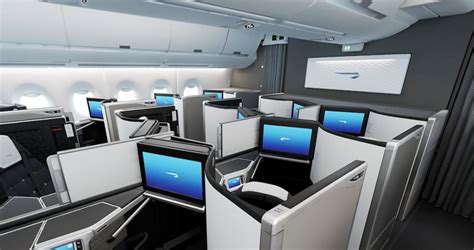
The ongoing retrofit program converts the aircraft’s entire upper deck into a massive Club Suite cabin containing 110 business-class suites.
This configuration creates one of the largest premium cabins found anywhere in commercial aviation.
The scale is extraordinary.
Rather than dispersing premium seating throughout multiple sections, British Airways effectively transforms the upper deck into a dedicated premium environment. The result is a uniquely exclusive atmosphere despite the high passenger count.
Simultaneously, the retrofit introduces a refreshed first-class product on the lower deck, reinforcing the A380’s role as the airline’s premier long-haul aircraft.
Routes connecting London with major business and leisure markets such as New York and Los Angeles stand to benefit significantly from the enhanced configuration.
For British Airways, the A380 is no longer simply a large aircraft. It becomes a platform specifically optimized for premium revenue generation.
The Boeing 777-9 and the Next Evolution of Business Class
Even as Club Suite continues expanding across the fleet, British Airways is already preparing for the next chapter.
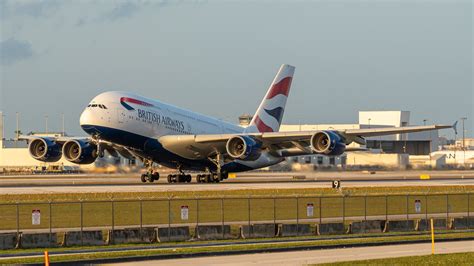
The airline has 24 Boeing 777-9 aircraft on order, with deliveries expected following certification and entry into service.
The aircraft presents unique opportunities for cabin innovation.
Its wider fuselage offers designers additional flexibility unavailable on narrower widebody aircraft. More cabin width creates possibilities for larger suites, enhanced storage solutions, companion seating arrangements, and entirely new passenger experiences.
Industry expectations are already rising.
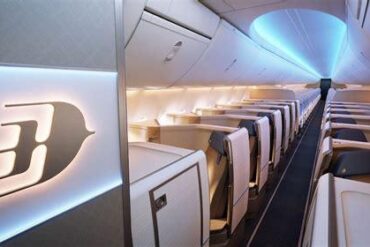
Modern premium travelers increasingly view privacy doors, advanced connectivity, personalized lighting systems, wireless charging, and integrated digital ecosystems as standard features. Future products must go beyond simply matching competitors.
They must create differentiation.
British Airways understands this reality better than most airlines because it has experienced both sides of the innovation cycle. It transformed the market in 2000, fell behind during portions of the 2010s, and re-established competitiveness through Club Suite.
The upcoming Boeing 777-9 program offers an opportunity to once again shape the direction of premium travel.
Reinvention as a Competitive Strategy
The story of British Airways’ business-class evolution is not merely about seats, beds, or cabin layouts. It is a story about maintaining relevance in one of aviation’s most competitive segments.
The airline’s original lie-flat bed changed passenger expectations worldwide. The Club Suite restored competitiveness after years of relative stagnation. The Airbus A380 retrofit demonstrates how premium cabins can redefine an aircraft’s role within a fleet. The Boeing 777-9 promises another opportunity for transformation.
What makes British Airways unique is not simply that it invented the modern business-class bed. It is that the airline continues to recognize that innovation cannot remain static.
A revolutionary product eventually becomes an industry standard. An industry standard eventually becomes outdated. Sustained leadership requires constant reinvention.
More than two decades after introducing the first fully flat business-class bed, British Airways remains engaged in that process. The airline that created modern business class is still working to define what comes next.