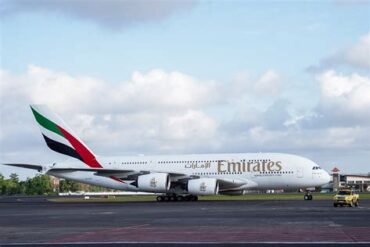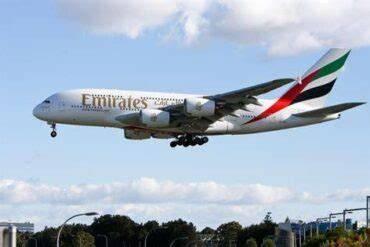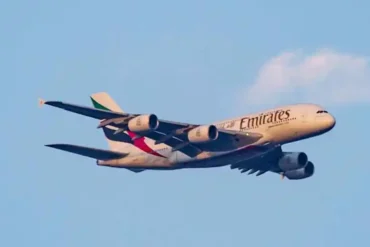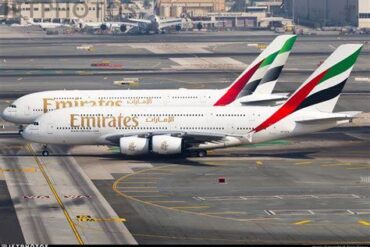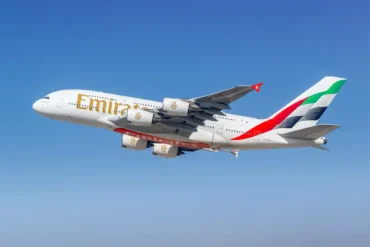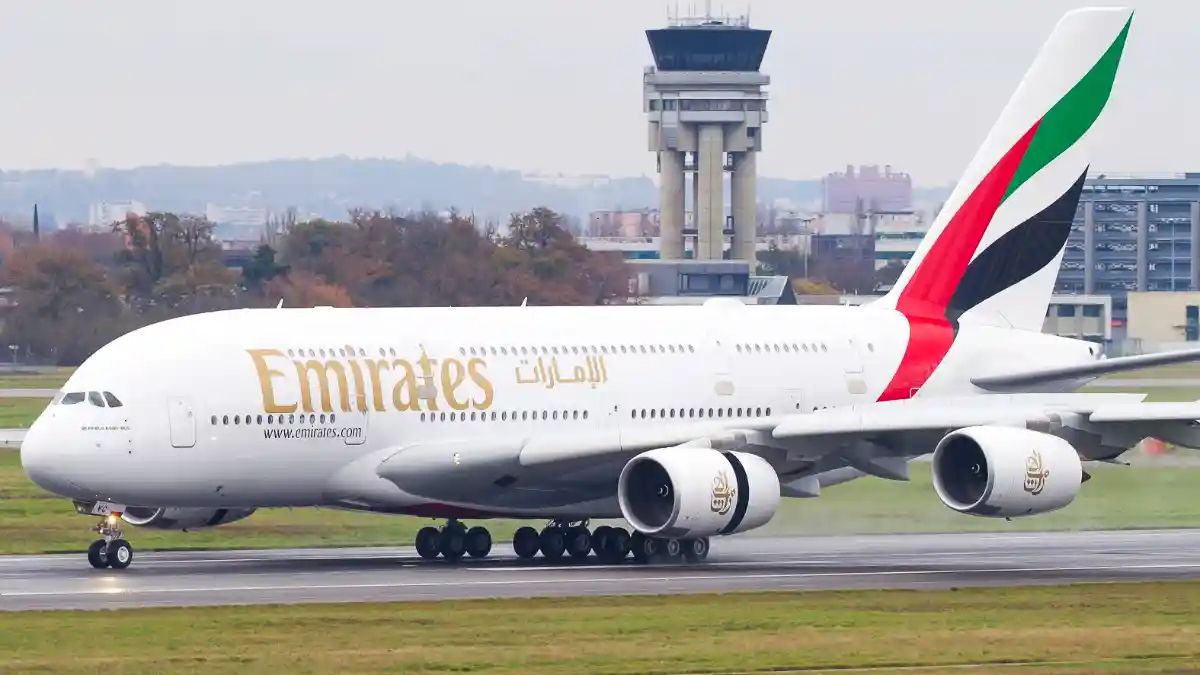
Emirates is scaling back its Airbus A380 operations to the United States, removing the iconic double-decker from two important long-haul routes for much of the coming fall. The latest schedule changes affect services from Dubai International Airport (DXB) to Washington Dulles International Airport (IAD) and Houston George Bush Intercontinental Airport (IAH).
The changes come as Emirates continues adapting its network amid disruption linked to the war in Iran, weaker demand on selected markets, and changing aircraft requirements. While the A380 remains central to Emirates’ long-haul strategy, the latest adjustments show how quickly the airline can substitute smaller aircraft when demand does not justify the superjumbo’s enormous capacity.
Emirates Suspends A380 Flights to Washington Dulles
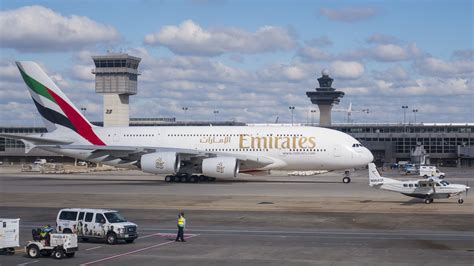
Emirates previously operated the A380 between Dubai and Washington Dulles until February 28, 2026, when the route switched to the smaller Boeing 777-300ER. The superjumbo returned on August 1, but that deployment will now be shorter than originally planned.
Under the revised schedule, the first-class-equipped, 489-seat Airbus A380 is expected to operate to Washington only through August 31. Emirates is then scheduled to return the route to the 354-seat Boeing 777-300ER, with the A380’s earliest planned comeback on October 25. That date coincides with the shift toward winter scheduling, although Emirates could extend the suspension.
The decision is understandable when passenger demand is considered. U.S. Department of Transportation data shows that Emirates filled only 50.7% of available seats on its Washington services during March and April 2026. The figure was already down from 62.6% during the same period in 2025, despite the airline using a lower-capacity 777.
That weak utilization makes the A380 particularly difficult to justify. Emirates has invested heavily in operating the aircraft efficiently, but a four-engine superjumbo carrying hundreds of passengers requires considerably stronger demand than a smaller widebody to make its capacity attractive.
Houston Loses the Emirates A380 Too
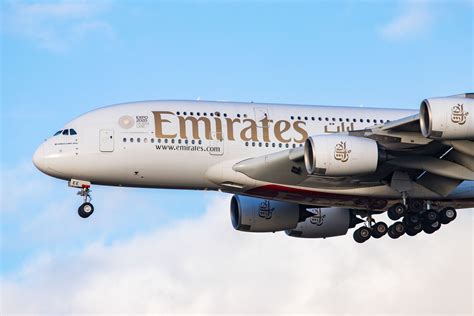
The second affected route is Dubai–Houston, where Emirates will also temporarily remove the A380. The aircraft operated to Houston until February 27 before Emirates suspended service entirely. Flights returned on May 2, with the A380 originally scheduled to continue through August 31.
The previous plan called for a 276-seat Boeing 777-200ER to replace the A380 during September, followed by an A380 return on October 1. Emirates has now revised that schedule again. The superjumbo is scheduled to disappear from Houston between August 25 and October 24, with October 25 currently penciled in for its return.
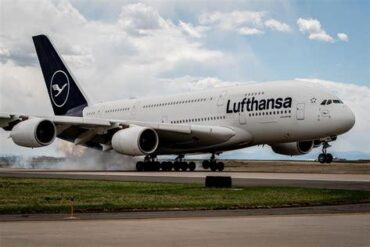
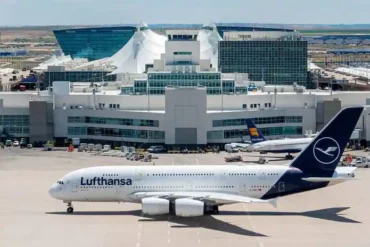
Houston’s A380 reduction is particularly notable because Emirates is one of only two airlines known to have operated the type to the Texas airport. Lufthansa previously served Houston with the A380 from Frankfurt between 2014 and 2019, meaning the airport has a relatively limited history with the world’s largest passenger aircraft.
During the nearly two-month suspension, Houston will therefore have no scheduled A380 service. Emirates’ choice of the smaller 777 reflects the need to match aircraft capacity more closely with expected passenger demand.
Emirates Will Still Fly A380s to Three U.S. Cities
The latest cuts do not mean Emirates is abandoning the American market with its superjumbo. In September, the airline is still expected to operate A380 services to New York, Los Angeles, and San Francisco.
New York will receive three daily A380 departures, including one service operating through Milan Malpensa, while Los Angeles and San Francisco are each scheduled to retain daily superjumbo flights. Together, these routes represent the remaining core of Emirates’ A380 presence in the United States during the month.
Nevertheless, the year-on-year decline is significant. Emirates is expected to operate five A380 departures per day across these U.S. markets in September, compared with seven during September 2025. That represents a 28.6% reduction in Emirates’ A380 activity.
Across all airlines, U.S. A380 operations are also expected to fall, with approximately 14.7% fewer superjumbo services than a year earlier. Emirates remains one of the country’s most important A380 operators, but its share of U.S. superjumbo departures is slipping as schedules are recalibrated.
Why These A380 Changes Matter
The latest schedule changes highlight the delicate economics of operating the Airbus A380 on long-haul routes. Emirates remains the world’s most prominent A380 operator and has built much of its global identity around the aircraft, yet even Emirates cannot deploy the superjumbo everywhere without considering demand.
Washington and Houston are especially revealing examples. Both are major U.S. metropolitan areas with substantial international traffic, but the available data suggests that passenger volumes do not currently support the A380’s exceptionally high capacity throughout the year.
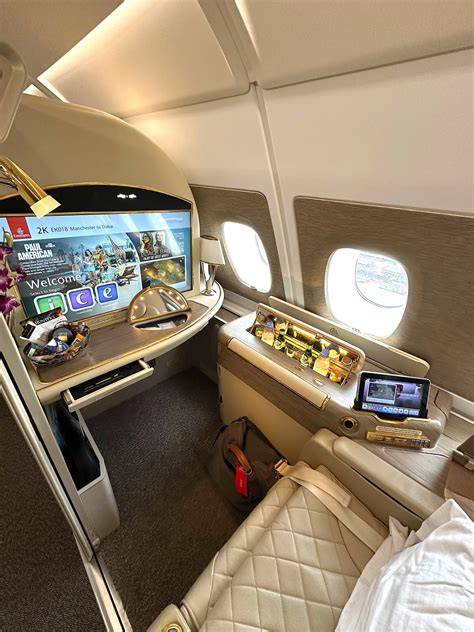
For passengers, the change means fewer opportunities to experience Emirates’ flagship aircraft on these routes, particularly for travelers seeking its First Class suites and A380 onboard shower spa. For Emirates, however, temporarily substituting the Boeing 777 provides a more flexible way to preserve connectivity while reducing excess capacity.
A Temporary Cut Rather Than an A380 Exit
At present, the schedules indicate a temporary suspension rather than a permanent A380 withdrawal from Washington or Houston. Emirates has October 25 listed as the earliest expected return date for both routes, although schedules remain subject to further changes.
The broader picture is therefore less about Emirates turning away from the A380 and more about the airline carefully managing its superjumbo fleet. With demand, geopolitical conditions, and seasonal schedules constantly changing, Emirates is demonstrating that even its most recognizable aircraft must be deployed where capacity can be justified.
For now, travelers in Washington and Houston will have to wait for the A380’s return, while New York, Los Angeles, and San Francisco remain the principal U.S. gateways for Emirates’ superjumbo operations in September.