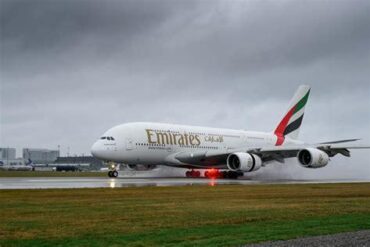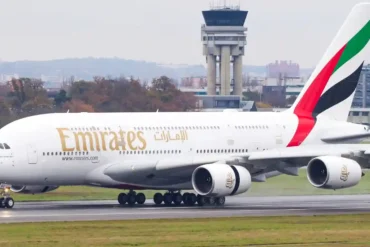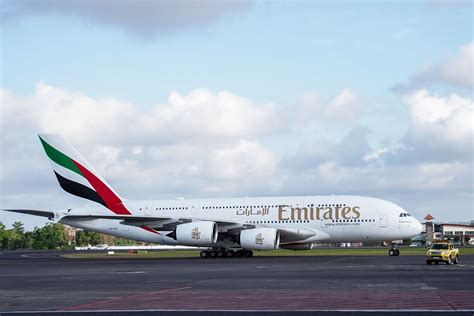
Emirates is preparing for a significant adjustment to its Airbus A380 operations in September, with 12 routes across its global network facing schedule reductions, equipment swaps, or delayed superjumbo returns. The changes come as the airline continues adapting its fleet deployment strategy amid operational challenges linked to the ongoing conflict in the Middle East.
The Dubai-based carrier has confirmed that several destinations previously expected to receive the double-decker A380 aircraft will now wait until October or later before seeing the aircraft return. At the same time, seven additional routes will experience reduced A380 frequencies, cutting available capacity on some of Emirates’ busiest international services.
Emirates Delays A380 Returns To Five International Destinations
The latest schedule update shows that Emirates has postponed planned A380 operations to five airports: Copenhagen Airport, Glasgow International Airport, Hong Kong International Airport, Houston George Bush Intercontinental Airport, and Prague Airport.
Several of these destinations had already been waiting for the aircraft to return. Glasgow and Prague, for example, have not welcomed an Emirates A380 since March. Both airports were previously expected to regain the aircraft in September, but the return has now been pushed back until October 1 at the earliest.
Copenhagen was scheduled to continue receiving the A380 through mid-August before losing the aircraft temporarily. Emirates will replace the superjumbo service with the Boeing 777-300ER until the A380 is expected to return.
Houston will also see a major aircraft change. The route, which normally receives an A380, will switch to the Boeing 777-200LR in September. The change will reduce daily seat availability by around 43% and remove First Class capacity from the route during the temporary adjustment period.
The Hong Kong route is another major example of Emirates’ network reshuffling. The airline had planned to restore A380 operations in September, but those plans have now been delayed. Instead, the route will continue with Boeing 777-300ER aircraft before a possible A380 return in October.
London And European A380 Operations Remain Mostly Stable
Despite the widespread adjustments, Emirates’ European A380 network will largely recover to familiar levels by September. According to schedule data, Glasgow will remain the only UK airport that does not have the superjumbo operating during the month.
Most other major UK destinations are expected to return to similar A380 frequencies compared with the previous year, although London Gatwick Airport remains an exception due to different capacity planning decisions.
The changes highlight how carefully Emirates manages its A380 fleet. With fewer than 250 seats on some aircraft types but more than 500 seats on many A380 configurations, switching aircraft can significantly alter available capacity without completely removing a route.
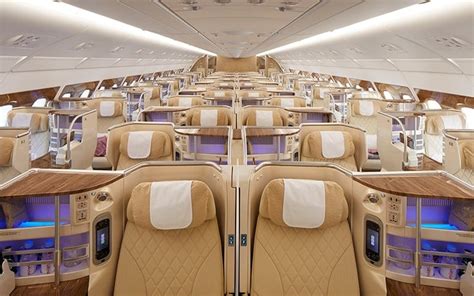
Four Major Routes Lose Half Of Their Daily A380 Flights
Beyond complete suspensions, Emirates will also reduce A380 frequencies on four important routes in September. Amsterdam, Moscow, Munich, and Zurich were previously scheduled to receive two daily A380 flights, but each destination will now receive only one daily superjumbo service.
The remaining flights will be operated by the Boeing 777-300ER, allowing Emirates to maintain connectivity while reducing available capacity.
The Dubai-Moscow route is particularly notable because of its strong passenger demand. Moscow remains one of Emirates’ largest markets, with around one million passengers traveling through the route in the previous year. Emirates and its UAE partner flydubai continue offering extensive connectivity between Dubai and Russia, partly because international aviation patterns have shifted following sanctions and restrictions affecting Russian airlines.
In September, Emirates plans multiple daily flights to Moscow using a combination of A380 and Boeing 777 aircraft, while flydubai will continue operating Boeing 737 MAX services to Moscow Vnukovo Airport.
Bangkok, Sydney And Singapore Face Additional A380 Reductions
The final group of affected routes includes some of Emirates’ most important Asia-Pacific markets. Bangkok, Sydney, and Singapore will all see fewer A380 flights during September.
Bangkok previously had four daily A380 services from Dubai, including one continuation service to Hong Kong using fifth freedom traffic rights. The route will now operate three daily A380 flights.
Sydney will also experience a reduction, moving from three daily A380 services to two. Meanwhile, Singapore will see the largest percentage reduction, dropping from three planned daily A380 flights to only one during September.
The Singapore adjustment is especially interesting because Emirates had already planned to restore three daily A380 services from October through the northern winter schedule. Whether that plan remains unchanged will depend on future fleet availability and operational conditions.
The wider regional A380 landscape is also changing. Etihad Airways is expected to return its A380 to Singapore operations in October, while other airlines continue reviewing their superjumbo strategies as international travel demand evolves.
Emirates’ A380 Strategy Continues To Shift
The latest changes demonstrate the complexity of operating the world’s largest passenger aircraft. Emirates remains the biggest A380 operator globally, but maintaining a massive superjumbo network requires constant adjustments based on demand, aircraft availability, geopolitical conditions, and airport requirements.
The airline’s September changes affect 12 routes and 13 airports, representing a substantial portion of its long-haul operation. However, most adjustments appear temporary, with many destinations scheduled to regain A380 service from October.
As Emirates continues updating its flight schedules, further changes remain possible. The airline’s next network update will likely provide a clearer picture of whether these A380 reductions are short-term operational measures or part of a broader fleet deployment strategy.