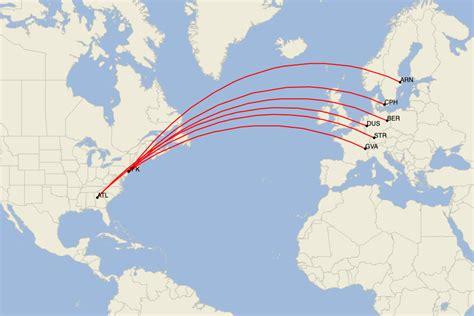
Delta Air Lines is making aggressive strategic adjustments to its winter flight schedule, scaling back transatlantic frequencies from its two primary hubs—New York JFK and Hartsfield-Jackson Atlanta International Airport. These calculated reductions come at a time of economic instability and shifting consumer behavior, positioning Delta to maintain efficiency and profitability as demand patterns shift entering the colder months.
The airline is responding to a volatile economic climate, one where consumer sentiment is increasingly uncertain and travel behaviors fluctuate more than usual. Despite reporting a 5% year-over-year increase in transatlantic revenue in its Q1 2025 report, Delta is taking a conservative stance by paring down its European network, especially during the typically softer winter season.
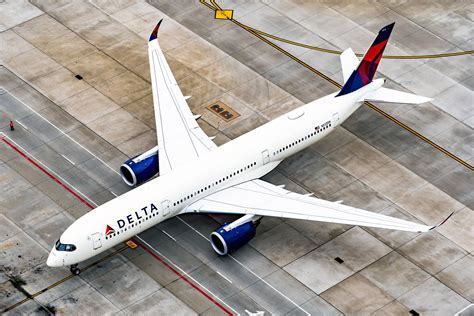
Delta Reduces Winter Transatlantic Frequencies: Strategic Routes Trimmed
Delta’s cutbacks are neither symbolic nor minor. Starting in November 2025, the airline will reduce flight frequencies across several high-traffic European routes. The reductions are most notable at New York JFK and Atlanta, but Boston and Detroit will also experience service downsizing.
On the European front, Paris, Frankfurt, Milan, and Venice are among the cities facing the steepest frequency reductions. The routes affected reflect both business-heavy destinations and popular leisure markets, underscoring the complexity of Delta’s decision-making framework. This suggests a multifaceted approach, balancing seasonal travel decline with preemptive moves to avoid overcapacity.
Key Route Reductions and Frequency Details
The following reductions have been confirmed through aviation analytics sources and reflect Delta’s adjusted schedule for the winter season:
- Atlanta to Paris: reduced by 4 weekly flights, one of the steepest cuts across the network.
- New York JFK to Milan: trimmed by 3 weekly flights, indicating lowered corporate or holiday demand.
- Atlanta to Rome, Madrid, Frankfurt, Lagos, Barcelona, and Munich: each reduced by 1 weekly frequency, likely reflecting general winter softness.
- New York JFK to Venice: cut by 1 flight per week.
- Boston to Dublin and Detroit to Frankfurt: each reduced by 1 weekly service.
Some of these reductions span at least two months, while others may extend further depending on evolving demand metrics. The affected flights predominantly occur during mid-week travel windows, which typically see lower passenger loads in the winter.
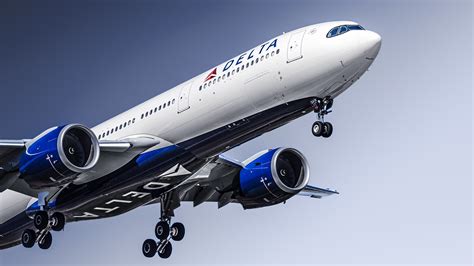
Modern Fleet Realignment: Airbus and Boeing Rebalancing
Delta’s long-haul fleet has evolved significantly, and this network restructuring also impacts aircraft deployment. The airline’s Airbus A330neo and A350 aircraft, both known for fuel efficiency and lower per-seat costs, are key components on many long-haul European routes. For instance, the Atlanta to Lagos route continues to utilize the A350 even under reduced frequency.
At the same time, Boeing 767-400ER aircraft—aging but still operational—remain prominent on certain transatlantic services. Routes like JFK to Italy and Atlanta to Munich and Madrid are typical domains for the 767, which will now see fewer rotations, allowing Delta to optimize maintenance schedules and avoid excess seat supply during low-demand months.
This mix of aircraft scheduling also reveals Delta’s broader strategic aims: maximize the deployment of fuel-efficient jets on more stable routes while limiting the usage of older aircraft during economically uncertain periods.
Seasonal and Economic Forces Driving the Cuts
While transatlantic travel demand remains comparatively strong, the macroeconomic context is increasingly unstable. Inflationary pressures, geopolitical risks in Europe, and uncertainty in U.S. consumer spending are forcing airlines to adopt more agile planning approaches.
Winter has always been a seasonal low for long-haul international travel, particularly on leisure routes. Yet what sets this year apart is the combination of traditional seasonality with rising financial caution, both from consumers and corporate travelers. Delta, recognizing this dual challenge, is proactively scaling back to avoid excess inventory, a move that could support better load factors and yield management throughout the low season.
Implications for New York JFK and Atlanta Hubs
The most prominent reductions are concentrated at New York JFK and Atlanta, hubs that collectively serve as Delta’s gateway to Europe. The cuts, however, may be as much about capacity discipline as they are about operational efficiency.
At JFK, Delta has long competed with other international heavyweights like American Airlines, British Airways, and Air France, all of whom are also sensitive to seasonal demand cycles. By slightly retreating from over-saturated routes, Delta can preserve pricing integrity while improving aircraft utilization across its fleet.
Atlanta’s role is even more pivotal. As the largest hub in Delta’s global network, it feeds a significant portion of international traffic via domestic connections. Reducing outbound frequencies to destinations like Paris and Frankfurt could indicate a short-term strategy to free up capacity for higher-margin routes or conserve operational costs amid economic headwinds.
A Tactical Retreat or Long-Term Realignment?
It’s unclear whether these wintertime cuts are part of a broader long-term reorientation or merely tactical reductions aimed at weathering short-term volatility. Delta has been expanding its international footprint aggressively in recent years, but this latest move reflects a temporary retrenchment to recalibrate.
Given Delta’s flexible approach to fleet and route management, the airline is likely to revisit these frequency changes closer to the Spring 2026 schedule update. If demand rebounds or if macroeconomic stability returns, many of these trimmed frequencies could be restored—or even expanded.
However, if economic softness persists into 2026, Delta’s current reductions might become the new normal. This would lead to further emphasis on premium cabin sales, cargo optimization, and code-sharing arrangements with transatlantic partners to sustain network breadth without overcommitting aircraft.
The Broader Industry Context: Other Carriers Also Adjusting
Delta is not alone in navigating these choppy economic waters. Other U.S. and European carriers are also fine-tuning their winter schedules, though not all have made changes as pronounced as Delta’s. The airline’s willingness to act decisively may give it a competitive edge in load factors and profitability over the winter season.
Moreover, the move reflects a broader industry shift where flexibility is paramount. Airlines are increasingly relying on real-time analytics, demand forecasting models, and passenger sentiment tracking to inform route decisions, a clear departure from the more static scheduling models of the past.
Outlook: Delta’s Strategy Balances Risk and Resilience
Delta’s winter flight strategy reveals a carrier that is not reactive but preemptive, moving swiftly to align its resources with forecasted demand. Despite a healthy performance in the transatlantic market during Q1 2025, the airline is pulling back where necessary to avoid stretching its network thin.
If the economy stabilizes, Delta is well-positioned to scale back up rapidly using its modern fleet and existing airport infrastructure. Conversely, if headwinds continue, the company’s restrained winter schedule may preserve margins and ensure long-term sustainability.
Ultimately, the airline’s ability to stay nimble, reassign aircraft efficiently, and continuously monitor demand trends will determine whether this winter pivot strengthens its positioning for future seasons. For now, passengers traveling from JFK or Atlanta to Europe should expect fewer weekly flights, particularly to popular destinations in Italy, Spain, Germany, and France—a notable, though likely strategic, shift in one of the world’s most competitive air corridors.