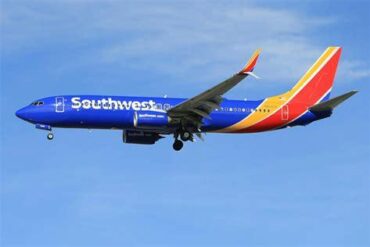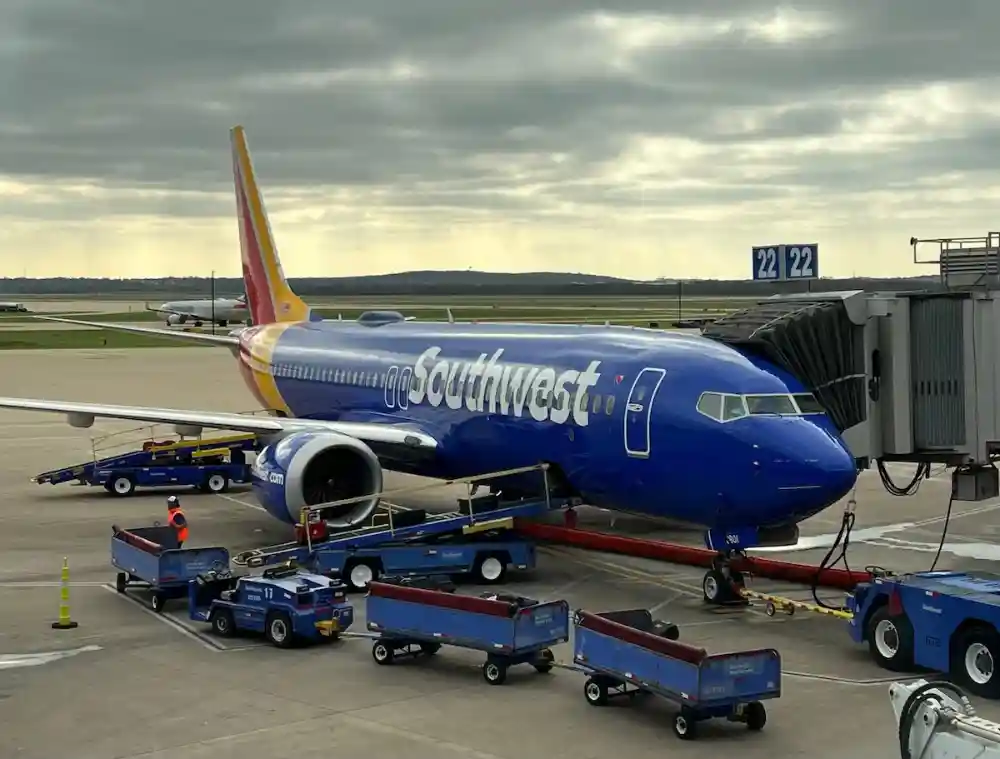
Southwest Airlines is dramatically shrinking its footprint at Hartsfield-Jackson Atlanta International Airport, eliminating 26 routes in one of the carrier’s most significant network reductions at the airport since launching service there in 2012. The cuts underscore how difficult it has become for airlines to compete in Atlanta, a market dominated by fierce competition despite its status as the world’s busiest airport by passenger traffic.
Atlanta has long represented both opportunity and challenge for airlines. The airport’s enormous passenger volumes create substantial demand, yet intense competition makes sustained profitability difficult. For Southwest Airlines, that reality is now reflected in a sweeping network restructuring that removes dozens of destinations from its Atlanta route map.
Between January 2022 and June 2026, Southwest maintained a considerably broader network from Atlanta. However, scheduling data for the second half of 2026 reveals a significantly leaner operation, with 26 routes disappearing from the airline’s schedule.
The route reductions are concentrated primarily across the eastern and central United States. Several popular leisure and business destinations have been removed, while Southwest has also withdrawn from multiple Florida markets that once formed an important component of its Atlanta network.
The airline is ending service from Atlanta to:
- Baltimore-area alternatives have been retained, but routes to numerous regional destinations have disappeared.
- Fort Lauderdale
- Fort Myers
- Jacksonville
- Miami
- Panama City
- Pensacola
- Sarasota
- West Palm Beach
- Cleveland
- Louisville
- Milwaukee
- New York-area service reductions
- Omaha
- Philadelphia
- Raleigh-Durham
- Richmond
- Washington, DC
- Greenville
- Jackson
- Little Rock
- Memphis
- Myrtle Beach
- Oklahoma City
- Los Angeles
- Oakland
- San Diego
The concentration of cuts in Florida is particularly notable. Eight destinations within the Sunshine State have been removed from the network, signaling a major shift in Southwest’s strategy from Atlanta. The withdrawal from several leisure-focused markets suggests the airline is prioritizing routes that can deliver stronger performance and higher utilization.
Southwest’s retreat from select West Coast markets is equally significant. Los Angeles, Oakland, and San Diego were the airline’s only affected destinations west of the Rocky Mountains, further illustrating the carrier’s effort to streamline operations around routes that align more closely with its evolving network strategy.
Southwest first entered the Atlanta market in 2012 following its acquisition of AirTran Airways. At the time, the move represented a major expansion into one of America’s most important aviation hubs. Company leadership emphasized that Southwest would bring lower fares, increased flexibility, and greater competition to travelers in the region.
Initially, growth was measured. The airline operated 7,498 departures from Atlanta in 2012 before increasing to 9,996 flights the following year. The real expansion began in 2014, when scheduled departures surged to more than 21,000 flights, more than doubling year over year.
The momentum continued in 2015, when Southwest reached its historic peak in Atlanta with 43,909 scheduled departures. During this period, the carrier established itself as a substantial competitor at the airport, offering millions of seats annually and significantly expanding consumer choice.
For several years thereafter, Southwest maintained a relatively stable operation. Flight numbers remained above 40,000 departures annually through 2019, demonstrating a consistent commitment to the Atlanta market. While fluctuations occurred, the airline’s presence remained robust and strategically important.
The COVID-19 pandemic fundamentally altered those trends. In 2020, Southwest’s Atlanta departures fell sharply to 29,278 flights as global travel demand collapsed. Although the airline began rebuilding capacity in subsequent years, the recovery never fully restored the scale of operations seen before the pandemic.
A modest rebound occurred between 2021 and 2023. Departures climbed from 29,809 flights in 2021 to 31,603 in 2022 and eventually reached a post-pandemic high of 36,677 departures in 2023. At the time, the figures suggested a gradual return toward pre-pandemic network strength.
That recovery proved temporary. Southwest’s Atlanta operation began contracting again in 2024 before accelerating sharply downward. Scheduled departures fell to 33,523 flights in 2024, plunged to 21,505 in 2025, and now stand at just 16,214 flights for 2026.
The reductions align with Southwest’s broader strategic transformation. The airline has increasingly focused on concentrating resources at high-density stations where it can operate more efficiently and maximize aircraft utilization. Rather than maintaining a large number of thinner routes, the carrier appears to be emphasizing markets with stronger demand and greater profitability potential.
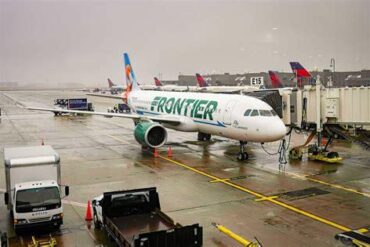
Despite the substantial cuts, Southwest remains an important player in Atlanta. The airline currently ranks as the airport’s third-largest carrier by scheduled departures, trailing only Delta Air Lines and Frontier Airlines. More than 1,300 one-way departures remain scheduled this month, demonstrating that Atlanta continues to hold strategic value within Southwest’s network.
Among the airline’s strongest remaining routes, Chicago Midway leads the way with 135 scheduled departures during the month. Baltimore follows closely with 132 flights, while Dallas Love Field and Houston Hobby each account for 116 departures. These routes highlight Southwest’s continued emphasis on connecting Atlanta with key operational bases and high-demand domestic markets.
Internationally, the carrier’s Atlanta presence has become far more limited. Cancun now stands as Southwest’s sole international destination from the airport, served by only four flights during the month—approximately one flight per week.
The elimination of 26 routes marks a defining moment in Southwest Airlines’ Atlanta strategy. While the carrier is not abandoning the airport, it is clearly reshaping its role there. The result is a smaller, more focused network designed to prioritize efficiency, strengthen performance, and position the airline for a changing competitive landscape in one of the aviation industry’s most challenging markets.