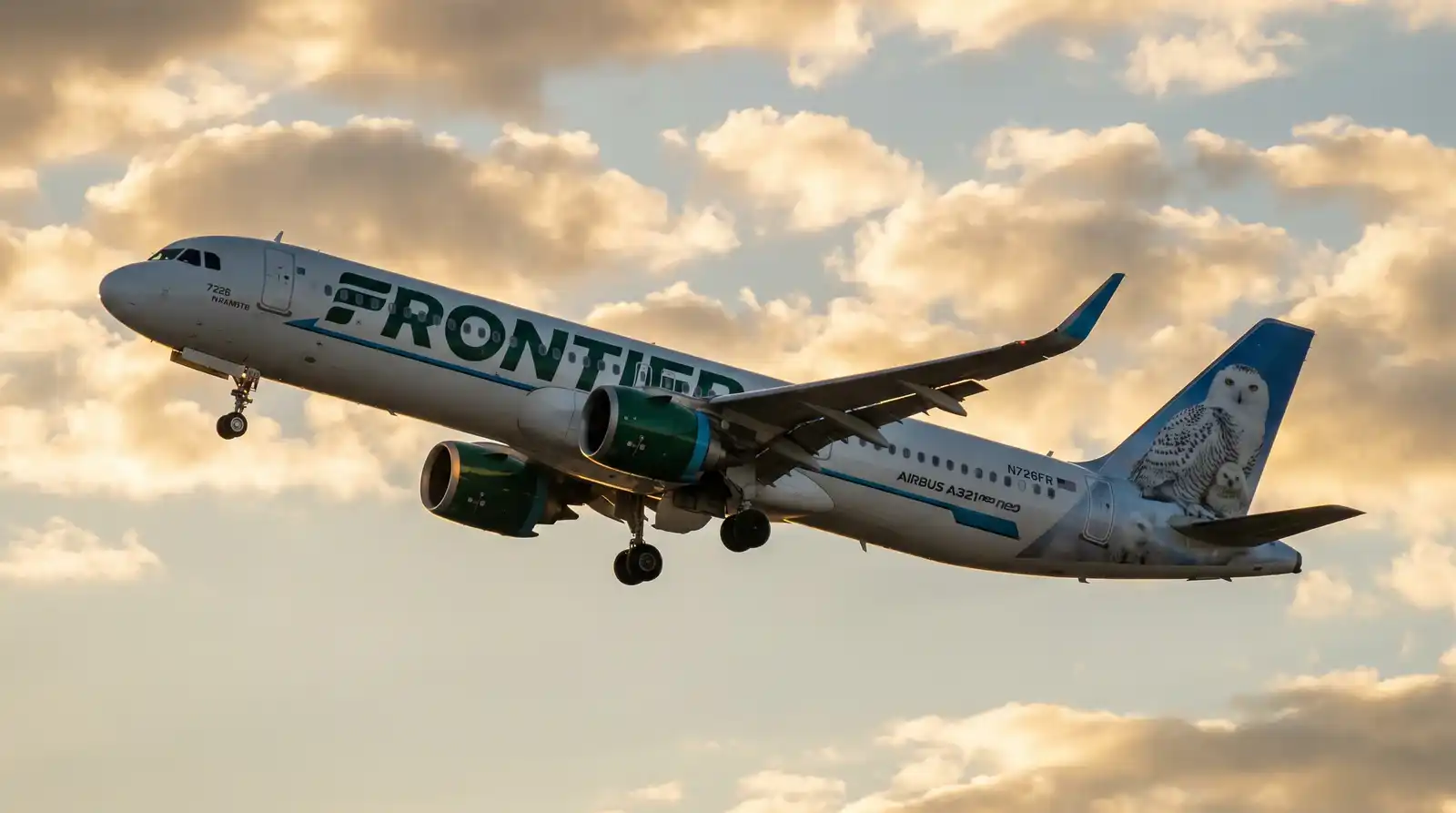
Frontier Airlines has significantly reshaped its international network by removing 34 nonstop international routes, marking one of the carrier’s largest schedule adjustments in recent years. The changes primarily affect services between the United States and destinations across Mexico, the Caribbean, and Central America, reflecting the airline’s continued strategy of rapidly adjusting capacity in response to market demand. While the cuts represent a notable contraction on specific routes, they also demonstrate the operating model that has long defined ultra-low-cost carriers—quickly expanding into promising markets and withdrawing when financial performance falls below expectations.
Despite the network reductions, Frontier remains an important player in international leisure travel. According to data from the US Department of Transportation, the airline carried 4.7 million passengers between the United States and Mexico, the Caribbean, and Central America during the twelve months ending in March 2026, representing an impressive 18.1% year-over-year increase. Those figures highlight an important distinction: the airline is still growing internationally overall, even as it removes individual routes that have failed to generate sustainable demand.
The latest schedule analysis compares Frontier’s published operations between January 2025 and June 2026 with currently available schedules covering July through November 2026. Routes that operated regularly during the earlier period but completely disappear afterward are counted among the removals. Markets located within US territories are excluded, while seasonal services that could potentially return later remain absent from current reservations and are therefore treated as discontinued.
Atlanta Experiences the Largest International Network Reduction
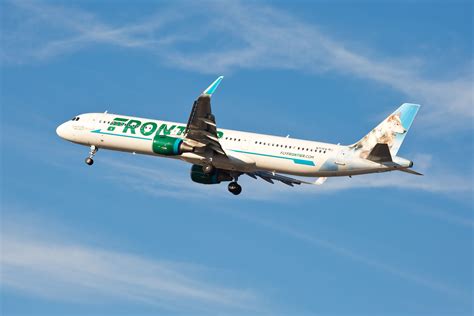
No airport has been affected more dramatically than Hartsfield-Jackson Atlanta International Airport. Ten international airport pairs have disappeared from Frontier’s schedule, making Atlanta the clear center of the airline’s restructuring efforts. Although Frontier only launched international operations from Atlanta in November 2021, the airport rapidly became its largest international base, averaging approximately three outbound international departures each day before the latest reductions.
Operational data indicates that Frontier completed 4,908 international departures from Atlanta between its launch and June 2026. While that figure trails far behind Delta Air Lines and Air Canada, it established Atlanta as Frontier’s most important gateway for international leisure destinations. Nearly all ten eliminated routes concluded operations during April 2026, ending an ambitious expansion that had added several Caribbean destinations only months earlier.
Many of the affected routes had exceptionally short operating histories. Several launched during December 2025, raising the possibility that Frontier originally intended them as seasonal winter services. Whether these routes eventually return during future holiday travel periods remains uncertain, but no such plans currently appear in published schedules.
Weak Passenger Demand Drove Several Route Closures
Government traffic statistics reveal that some discontinued routes struggled with remarkably low passenger demand. Flights between Atlanta and Providenciales reportedly averaged a 17.6% load factor, an extraordinarily weak performance for any commercial airline route. Service to Nassau recorded approximately 22.2%, while flights connecting Atlanta and St. Maarten averaged only 30.8%.
Such unusually low occupancy levels would make profitable operation extremely difficult, particularly for an airline whose business model depends heavily on maximizing seat utilization while maintaining low fares. Although the reported figures appear surprisingly weak and naturally invite questions regarding the underlying data, they nevertheless illustrate why Frontier acted quickly to remove underperforming services rather than continuing to absorb operating losses.
Miami and Other Airports Also Lose International Connections
Atlanta was not the only airport affected by the restructuring. Miami International Airport lost five international Frontier routes, making it the second-most impacted gateway during the review period. Overall, 14 US airports experienced reductions, while the eliminated services collectively involved 28 airports and represented more than 41,800 network miles.
The widespread nature of the adjustments reflects Frontier’s willingness to constantly evaluate route profitability across its network rather than concentrating changes within a single operating base. For an ultra-low-cost carrier, aircraft represent expensive assets that must be deployed where they generate the strongest financial returns. When demand weakens or competitive pressures intensify, shifting aircraft to stronger-performing markets becomes a logical business decision.
Denver to Puerto Vallarta Ends After More Than Two Decades
Among the most notable discontinuations is Frontier’s long-running route between Denver International Airport and Puerto Vallarta. The airline first introduced the service in 2003, when Denver overwhelmingly dominated Frontier’s network. At that time, approximately 98% of the airline’s flights touched Denver, compared with roughly 20% today as Frontier has expanded nationwide.
The route enjoyed years of relative stability, at one stage supporting two daily flights while facing limited direct competition. United Airlines operated fewer frequencies, and Mexicana also served the market for part of the route’s history. Competitive dynamics shifted considerably after Southwest Airlines entered the market in 2015, increasing pressure on fares and capacity.
By 2026, Frontier had dramatically reduced the schedule to only 46 departures, operating primarily on Saturdays across most months of the year. That represented a sharp decline from 122 departures during the previous year. The final Frontier flight between Denver and Puerto Vallarta departed on April 11, 2026, bringing an end to a route that had been part of the airline’s network for more than twenty years.
Frontier Continues Prioritizing Network Flexibility
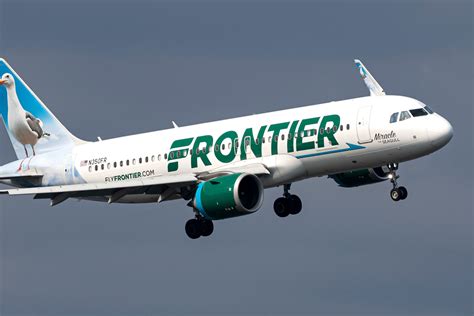
Although eliminating 34 international routes appears substantial, the changes align closely with Frontier Airlines’ long-established operating philosophy. Rather than maintaining weak-performing routes for strategic reasons, the carrier continuously reallocates aircraft toward markets with stronger booking trends, healthier yields, and greater long-term profitability.
The latest restructuring underscores the flexibility that distinguishes ultra-low-cost carriers from many traditional airlines. Instead of treating route closures as setbacks, Frontier views them as opportunities to redirect aircraft into markets where demand is stronger and operating economics are more favorable. As travel patterns continue evolving throughout 2026, further adjustments remain likely, reinforcing Frontier’s reputation for maintaining one of the industry’s most dynamic and frequently changing international route networks.