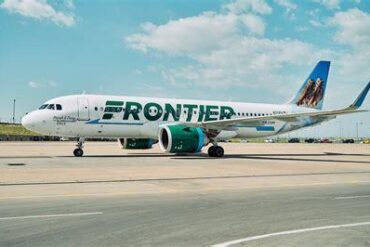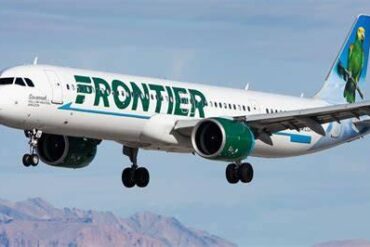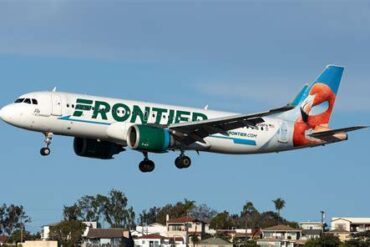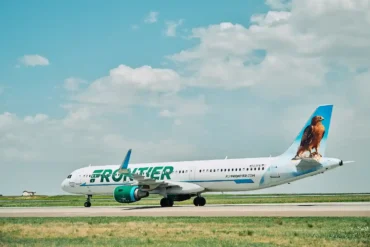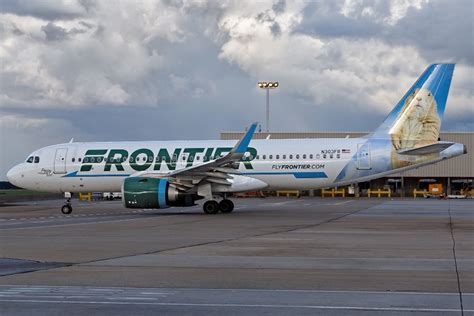
Frontier Airlines is set to redefine domestic air travel this fall with an ambitious network expansion, adding 15 new routes across major U.S. markets beginning in October 2025. This strategic move connects Atlanta, Chicago, Dallas, Denver, Phoenix, and several other cities with underserved destinations, offering passengers more affordable and flexible travel options while reinforcing Frontier’s position as a leading ultra-low-cost carrier (ULCC).
A Sweeping Expansion of Frontier’s Network
The expansion, unveiled on July 24, 2025, brings new nonstop services across the country, with Frontier deploying its fuel-efficient Airbus A320neo fleet to support these operations. The new services include:
Atlanta (ATL)
- Omaha (OMA) – Begins October 10, twice weekly
- Richmond (RIC) – Starts October 17, twice weekly
Chicago
- Midway (MDW) to Newark (EWR) – Launches October 7, four times weekly
- O’Hare (ORD) to New York JFK (JFK) – Begins October 8, four times weekly
Dallas/Fort Worth (DFW)
- Charleston, SC (CHS) – Starts October 9, twice weekly
- El Paso (ELP) – Begins October 8, three times weekly
- Tucson (TUS) – Launches October 9, twice weekly
Denver (DEN)
- Corpus Christi (CRP) – Launches October 9, twice weekly
- New York JFK (JFK) – Starts October 8, three times weekly
- Richmond (RIC) – Begins October 19, twice weekly
- Tulsa (TUL) – Launches October 12, twice weekly
Phoenix (PHX)
- San Antonio (SAT) – Launches October 10, three times weekly
Salt Lake City (SLC)
- Orange County, CA (SNA) – Begins October 9, twice weekly
Tampa (TPA)
- Kansas City (MCI) – Starts October 11, once weekly
- St. Louis (STL) – Launches October 11, once weekly
Why This Expansion Matters: Frontier’s Strategic Goals
Frontier’s expansion is not merely about adding more flights—it reflects a calculated growth strategy aimed at reinforcing its ULCC model while responding to shifting traveler demands.
Fuel Efficiency & Cost Discipline
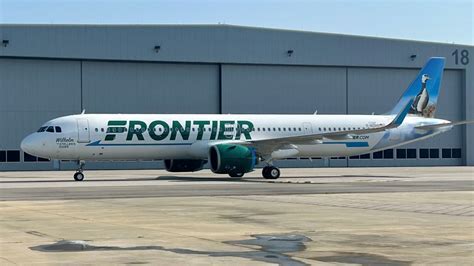
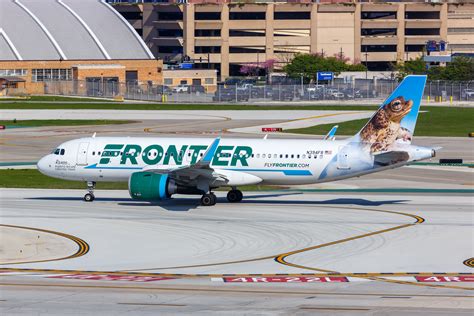
The deployment of the Airbus A320neo, which boasts a 15–20% reduction in fuel consumption, underscores Frontier’s commitment to cost efficiency and sustainability. This fleet choice enables lower fares while maintaining profitability, essential for routes in underserved and secondary markets.
Strengthening Key Hubs and Opening New Markets
By expanding from Atlanta, Dallas, and Denver, Frontier is fortifying its position in competitive hubs while offering new connectivity to smaller markets like Omaha, Corpus Christi, and Tulsa. These linkages unlock new revenue streams and attract both price-sensitive leisure travelers and business passengers seeking affordable options.
Competing Smartly in Secondary Markets
Frontier’s careful selection of underserved routes—like DFW to El Paso or Denver to Corpus Christi—allows the airline to sidestep heavy competition from larger carriers while capturing demand in markets with limited nonstop service.
Regional Highlights: What These Routes Bring to Communities
This expansion delivers tangible benefits to both travelers and local economies:
- Atlanta–Omaha & Richmond: Connecting a major southern hub with the Midwest and East Coast, enhancing access for business travelers and students.
- Denver–Corpus Christi & Tulsa: Strengthening intra-regional travel and supporting energy, education, and logistics sectors in these communities.
- Dallas–El Paso & Tucson: Improving connectivity across Texas and the Southwest, vital for military personnel, students, and cross-border business exchanges.
- Phoenix–San Antonio: Expanding options for Arizona–Texas travel, catering to cultural, leisure, and business ties.
- Tampa–Kansas City & St. Louis: Bridging Florida with the Midwest for both vacationers and visiting friends and relatives (VFR) travelers.
Operational Edge: Why Frontier Can Make These Routes Work
Frontier’s model thrives on nimble operations, low overhead, and seasonal adaptability. The initial limited frequencies—such as once-weekly Tampa flights—allow the airline to test market demand and adjust capacity without significant risk. This phased approach aligns with the airline’s history of expanding cautiously into new markets before scaling up.
Leveraging the A320neo Advantage
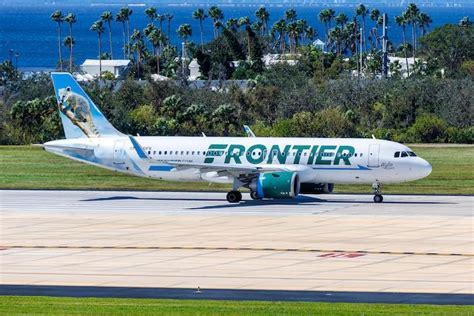
The A320neo’s fuel efficiency provides a financial buffer for Frontier, making these thinner routes sustainable. It also aligns with environmental commitments, offering lower per-passenger emissions compared to older aircraft models.
Post-Pandemic Market Opportunity
With leisure travel rebounding and remote work reshaping travel patterns, Frontier is well-positioned to serve travelers seeking affordable nonstop options to smaller cities. Secondary markets are now viable profit centers for ULCCs, and Frontier is seizing this opening before competitors do.
How Travelers Benefit
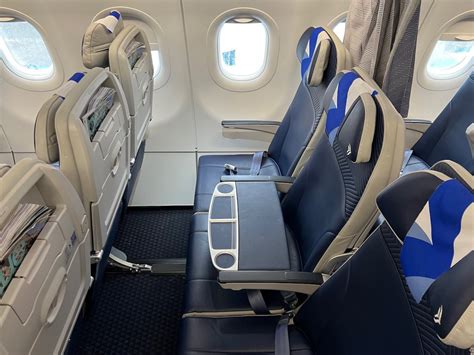
Passengers can expect budget-friendly fares through Frontier’s unbundled pricing model, allowing them to pay only for the services they need. The addition of new Airbus A320neo cabins promises a more comfortable in-flight experience, with upgraded seating, inflight Wi-Fi, and free entertainment options—a notable improvement for cost-conscious travelers.
For frequent flyers, increased nonstop connectivity reduces travel time and offers greater scheduling flexibility—ideal for weekend trips, business travel, or family visits.
The Bigger Picture: What This Means for the U.S. Airline Industry
Frontier’s aggressive growth reflects a larger trend in the airline industry: the rise of ULCCs as serious players capable of challenging legacy carriers in both primary and secondary markets. By prioritizing cost discipline, nimbleness, and market responsiveness, Frontier is reshaping the domestic competitive landscape.
Moreover, these new routes support regional economic development. Increased air connectivity boosts tourism revenue, local business growth, and infrastructure development, particularly in markets historically underserved by major airlines.
Final Take: A Bold Step Forward
This October 2025 network expansion represents one of Frontier’s most significant moves in recent years, signaling confidence in its ULCC model and a clear strategy to capture post-pandemic travel demand. By combining cost-efficient aircraft, thoughtful route planning, and a focus on underserved markets, Frontier positions itself for long-term growth.
As these routes launch, the airline’s success will depend on sustained demand and smart capacity management. But for now, travelers across America can look forward to cheaper, greener, and more convenient travel options—a milestone that could reshape the competitive dynamics of U.S. domestic air travel in the years ahead.