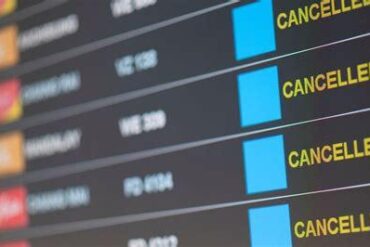
A wave of severe weather has wreaked havoc across major U.S. travel corridors, stranding thousands of travelers and paralyzing airport operations in Atlanta, Dallas, and Charlotte. On Sunday, June 29, 2025, more than 1,500 flights were cancelled or delayed, turning America’s most vital aviation hubs into chaotic bottlenecks. Airlines such as Delta Air Lines, American Airlines, United Airlines, Frontier, and Air Canada were severely impacted, resulting in a ripple effect that spread across domestic and international routes.
Atlanta’s Hartsfield-Jackson Faces Unprecedented Shutdown
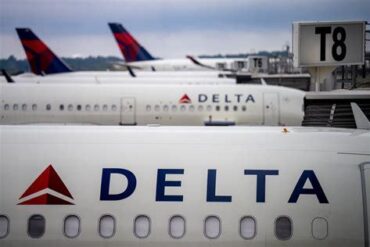
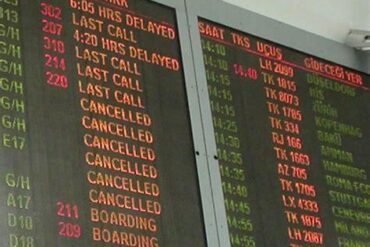
The storm’s most devastating impact was felt at Hartsfield-Jackson Atlanta International Airport, the world’s busiest aviation hub. As ferocious thunderstorms swept across Georgia, flight boards at ATL lit up in red, reporting 457 cancellations and 424 delays. Delta Air Lines, headquartered in Atlanta, bore the brunt. With 392 flights cancelled and another 305 delayed, the carrier saw 26% of its operations grounded.
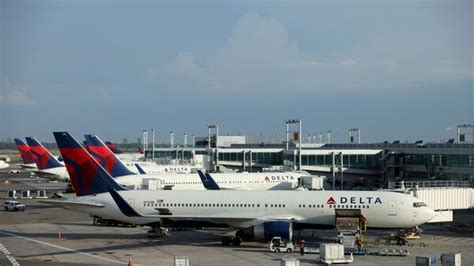
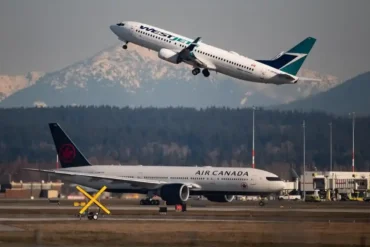
The storm did not discriminate between major carriers and regional operators. Endeavor Air, Delta’s regional partner, saw 33 cancellations and 40 delays, while Frontier Airlines was forced to scrub 15 flights and delay 30 more, affecting nearly a third of its scheduled operations. Even international players such as Air France, Jazz Aviation, and Air Canada reported significant setbacks. Jazz canceled half of its Atlanta operations, while Air France recorded 50% delays on its transatlantic flights.
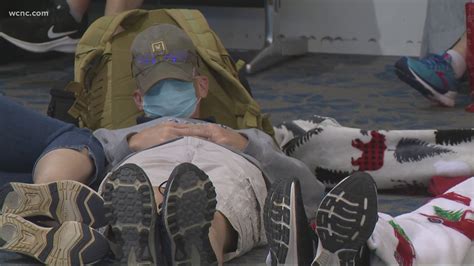
Inside terminals, stranded passengers were left grappling with long lines, limited rebooking options, and scarce customer service availability. Families sprawled across terminal floors while the few airport lounges that remained open were overwhelmed beyond capacity.
Charlotte Douglas Choked by American Airlines Disruptions
In Charlotte, North Carolina, the effects of the storm were equally paralyzing, especially for travelers flying American Airlines. As a key hub for the airline, Charlotte Douglas International Airport logged 87 cancellations and 211 delays. American Airlines accounted for 44 of those cancellations and 152 delays, amounting to over 25% of its total operations impacted.
The domino effect extended to regional partners. PSA Airlines, a key American affiliate, saw 28 flights cancelled and 31 delayed, creating downstream chaos across the airline’s feeder routes. Envoy Air and Piedmont Airlines faced moderate disruptions, but even minor scheduling hiccups compounded rapidly due to the hub-and-spoke model these airlines rely on.
Passengers reported hours-long waits to speak to gate agents. Others missed connecting flights or had to stay overnight in hotels — if they could find one. Charlotte’s terminals pulsed with frustration as thunderstorm warnings continued to blink on weather trackers.
Dallas-Fort Worth Becomes a Secondary Epicenter
Although the brunt of the weather centered further east, Dallas-Fort Worth International Airport (DFW) was not spared. A total of 74 flights were cancelled and 216 delayed, placing additional pressure on an already stretched air traffic system. American Airlines, which maintains a critical hub at DFW, reported 66 cancellations and 116 delays.
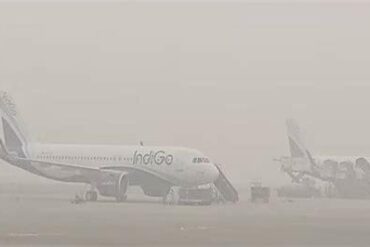
Carriers such as Delta, United, and Frontier also experienced minor operational disruptions. PSA Airlines, although not reporting direct cancellations, saw 44 delays, more than any other regional airline at the airport. Additional disturbances came from international carriers like Korean Air, Avianca El Salvador, and Turkish Airlines, all of which saw flights delayed due to deteriorating visibility and ground operations hindered by lightning risks.
Airlines Struggle With System-Wide Disruptions
The scale of the weather impact was immense and indiscriminate. Major flag carriers, regional affiliates, and international airlines alike faced delays and groundings. Those affected include:
- Aeroméxico Connect
- Air Canada
- Air France
- Alaska Airlines
- Avianca El Salvador
- Cathay Pacific
- Delta Air Lines
- Endeavor Air
- Envoy Air
- Fiji Airways
- Frontier Airlines
- Iberia
- Jazz Aviation
- Korean Air
- Mesa Airlines
- Nippon Cargo Airlines
- Piedmont Airlines
- PSA Airlines
- Republic Airways
- SAS
- SkyWest Airlines
- Southwest Airlines
- Spirit Airlines
- Sun Country Airlines
- Turkish Airlines
- United Airlines
- Volaris
These disruptions had global consequences. Flights headed to Europe, Asia, South America, and Canada experienced knock-on effects, resulting in delays, missed connections, and urgent rebooking requests.
Inside the Terminals: A Human Toll
As the operational chaos unfolded, the human toll became increasingly visible. Airport lounges overflowed within hours. Customer service counters became chokepoints, with lines wrapping around concourses. Food outlets ran short on supplies. Tempers flared as travelers waited for rental cars, hotel vouchers, and flight rebookings — often to no avail.
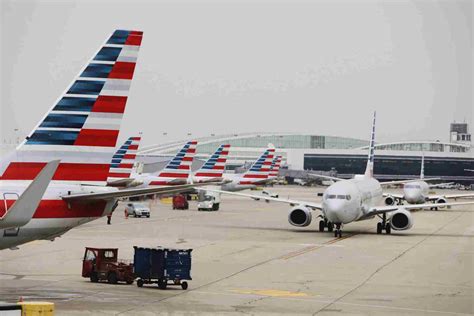
Airlines issued waiver policies to accommodate rebookings, but the volume of affected passengers quickly outpaced available support staff. Mobile apps and kiosks experienced outages due to overloaded systems. Flight crews were displaced, resulting in additional crew-time violations, further reducing aircraft availability even after the weather cleared.
Weather System Likely to Prolong Turmoil
According to meteorological reports, the storm system showed signs of lingering, threatening continued turbulence in the air travel network. High winds, lightning threats, and low visibility were expected to persist across the southern U.S., putting more flights at risk through the following weekend.
This raised new concerns for airlines struggling to reset their operational cadence. With summer vacation season peaking, capacity constraints were already high. Now, a single day’s cancellations were threatening to snowball into a weeklong disruption.
The Numbers Behind the Disruption: A Closer Look
Hartsfield-Jackson Atlanta (ATL):
- 457 Cancellations, 424 Delays
- Delta Air Lines: 392 cancelled, 305 delayed
- Endeavor Air: 33 cancelled, 40 delayed
- Frontier: 15 cancelled, 30 delayed
Charlotte Douglas International (CLT):
- 87 Cancellations, 211 Delays
- American Airlines: 44 cancelled, 152 delayed
- PSA Airlines: 28 cancelled, 31 delayed
- Envoy Air: 8 cancelled, 4 delayed
Dallas-Fort Worth (DFW):
- 74 Cancellations, 216 Delays
- American Airlines: 66 cancelled, 116 delayed
- PSA Airlines: 44 delayed
- SkyWest Airlines: 17 delayed
Warnings and Takeaways for Summer Travelers
As airlines recover from this widespread weather disaster, experts urge travelers to take proactive steps. These include:
- Checking flight status frequently, even hours before departure
- Opting for early morning flights, which are less likely to be delayed
- Booking nonstop flights to avoid risk of missed connections
- Keeping mobile apps updated for real-time airline communication
Passengers should also brace for higher prices and reduced availability as airlines reallocate aircraft and crews to stabilize operations.
A Systemic Test for U.S. Aviation Infrastructure
This weekend’s event exposed vulnerabilities in the aviation system, particularly under the strain of climate-intensified weather and post-pandemic demand surges. Airports, many already operating near maximum capacity, lacked contingency buffers. Airlines struggled with staffing and rerouting, and communication with passengers faltered during peak hours.
The situation underscored the need for more resilient scheduling models, better passenger communication tools, and greater investment in ground infrastructure capable of withstanding weather-induced surges.
Until such changes are enacted, travelers can expect more scenes of disruption like those witnessed in Atlanta, Charlotte, and Dallas — where summer skies turned stormy, and plans were grounded in more ways than one.