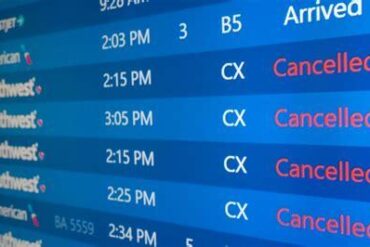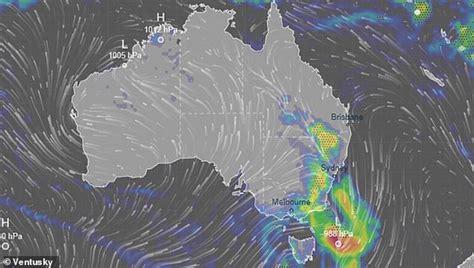
Australia’s aviation sector has been thrown into chaos as severe weather lashes major cities, causing more than 500 flight cancellations and delays across the country. Airlines including Qantas, Emirates, United Airlines, Delta, Air New Zealand, Malaysia Airlines, and more have been affected, with Sydney, Melbourne, Brisbane, and Perth airports reporting widespread operational disruptions. Intense storms, low visibility, and torrential rainfall have created a volatile travel environment, forcing passengers and airline staff alike to grapple with extended delays, rescheduling hurdles, and missed international connections.
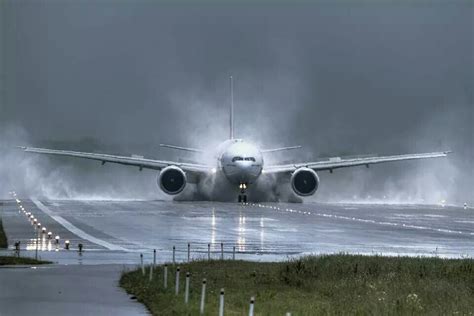
Storms Trigger Widespread Flight Cancellations in Sydney
Sydney Airport, the busiest in the country, has emerged as the most heavily affected hub amid the ongoing weather onslaught. Over 21 flights have been cancelled, and 189 others delayed, leaving thousands of passengers stranded or facing extended airport waits. The disruptions have impacted not just domestic routes but also long-haul international connections to North America, Europe, and Southeast Asia. Airlines such as Qantas, Virgin Australia, Delta Air Lines, Emirates, Cathay Pacific, and Air New Zealand have been at the forefront of the delays.
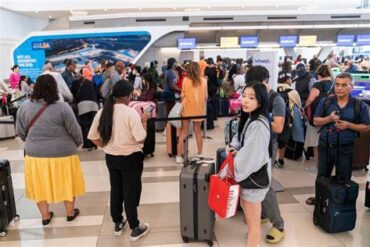
Reports from within the terminal describe heavily congested gates, overcrowded lounges, and rising tension among passengers trying to secure alternative travel arrangements. The ripple effect has meant missed onward connections, limited customer service capacity, and challenges in rebooking, especially for flights bound for Los Angeles, London, Singapore, and Dubai.
Melbourne Airport Buckles Under Disrupted Schedules
The impact of the storm system has not spared Melbourne Airport, where 17 flights were cancelled and 123 delayed, causing widespread confusion. Jetstar, Singapore Airlines, Qantas, and Malaysia Airlines have all had to revise schedules, leaving passengers scrambling to adjust their plans.
Passengers have reported hours-long delays for international departures, and in several cases, overnight layovers. Customer service counters saw long queues as airlines attempted to triage the rebooking process, balancing availability with rerouted aircraft.
Brisbane Hit Hard by Delays to Asia-Pacific Routes
In Brisbane, the storm activity resulted in 11 flight cancellations and over 106 delays, particularly impacting connections to Southeast Asia. Singapore Airlines, Jetstar, and Qantas saw delays affecting routes to Bangkok, Kuala Lumpur, and Jakarta. While the number of outright cancellations was lower than in Sydney and Melbourne, the operational strain and passenger backlog created by the weather still caused a significant headache for airport authorities.
The broader effect on connecting flights throughout the Asia-Pacific has magnified the challenge for travelers hoping to stick to planned itineraries. Reports suggest that available seats on rebooked flights are running scarce, particularly as demand grows for outbound travel amid the southern winter school holidays.
Perth Airport Sees Moderate Disruption but Faces Layover Headaches
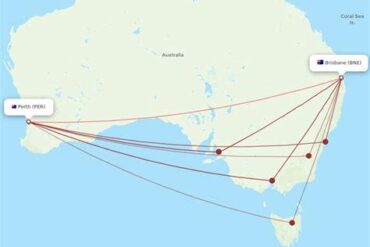
Perth Airport, although less battered by the weather system, still recorded three cancellations and 49 delays, primarily on flights to Southeast Asia. Passengers en route to Bali, Kuala Lumpur, and Singapore have experienced extended layovers or unscheduled overnight stays.
Despite avoiding the worst of the storm, Perth’s role as a gateway to Asia has meant ripple effects from the east coast disruptions have reached Western Australia. Flights have been rescheduled with tighter turnarounds, creating knock-on delays even for airlines not directly impacted by local weather.
Airlines Caught in the Eye of the Storm
A broad spectrum of carriers has been affected by this latest weather emergency. Among those hit hardest:
- Qantas – Australia’s flagship carrier has seen its national and international operations thrown off-kilter.
- Virgin Australia – Experienced cascading disruptions in its domestic network.
- Emirates and Singapore Airlines – Faced major delays to and from Europe and Asia.
- United Airlines and Delta Air Lines – Both reported missed connections and rescheduled returns from the United States.
- Malaysia Airlines, Air New Zealand, Cathay Pacific, and China Southern – Dealt with long-haul scheduling chaos.
Airlines have struggled with ground handling backlogs, rerouting dilemmas, and the challenges of coordinating international crew rotations amid time-sensitive operations. The storm has exposed the fragility of aviation logistics under extreme environmental stress, especially during peak seasonal travel.
Stranded and Stressed: The Passenger Experience
For passengers, the chaos has translated into more than just delayed flights. Many have reported being stuck for hours without updated information, enduring limited food and beverage options, and struggling to secure last-minute accommodation.
Social media has been flooded with posts from frustrated travelers. One passenger departing from Sydney described being “stuck for nine hours without any announcement from the airline, with no help for international rebooking.” Another in Melbourne said, “Every hotel near the airport is full. We’re out of luck unless we sleep at the terminal.”
Airlines have acknowledged the strain and are offering travel credits, rebooking flexibility, and in some cases, hotel vouchers, though not all passengers have been eligible due to varying fare types and availability.
What Travelers Should Do Now
With weather systems remaining unstable across several Australian regions, travelers are being urged to stay vigilant and take proactive steps to mitigate the impact:
- Monitor airline notifications: Regularly check flight statuses via airline apps or official websites.
- Arrive early: Airports are dealing with longer queues and slower service.
- Keep flexible schedules: Prepare for flight changes, reroutes, or overnight layovers.
- Secure travel insurance: Ensure policies include provisions for weather-related delays and cancellations.
- Understand rebooking rights: Most carriers are allowing changes without extra fees, but conditions apply.
The Broader Impact on Global Aviation
These disruptions offer a glimpse into a larger challenge facing global aviation: how to cope with climate-related volatility. Australia’s recent weather is not an isolated incident, as severe environmental conditions are increasingly common worldwide. Airlines are having to invest in more dynamic flight planning, AI-powered weather prediction systems, and flexible staffing strategies.
The interconnected nature of global aviation means that delays in one country can echo across continents. Missed connections in Sydney may lead to overbooked flights in Singapore, delayed returns from Los Angeles, or disruptions to European long-haul arrivals. For travelers, this means that localized weather patterns can have worldwide travel implications.
Future Uncertainty and the Road Ahead
Meteorologists warn that the storm systems impacting Australia may persist into the weekend, with additional rainfall and low-visibility conditions expected in New South Wales and Victoria. Airports are coordinating closely with air traffic control, emergency services, and airline operations teams to manage ground logistics and prioritise high-volume routes.
Still, the forecast remains uncertain. Airlines are racing against time to clear backlogs, deploy standby aircraft, and stabilize schedules before passenger confidence erodes further.
For now, Australia’s aviation industry finds itself at the mercy of the skies, with both airlines and travelers hoping for clearer weather—and calmer journeys—ahead.