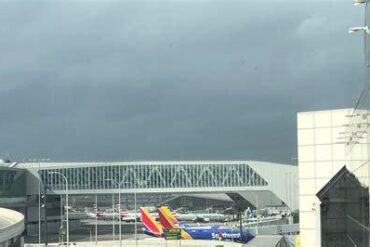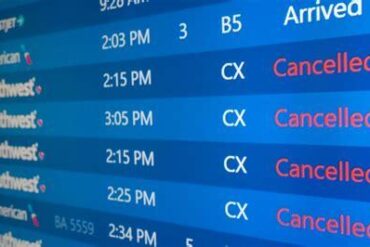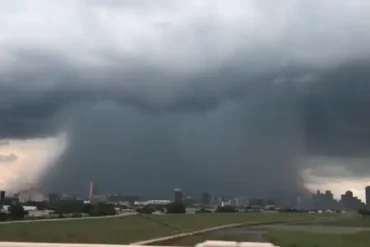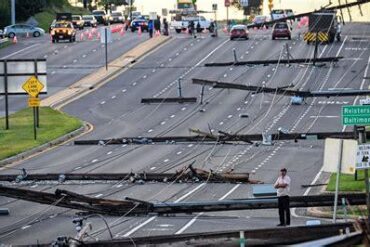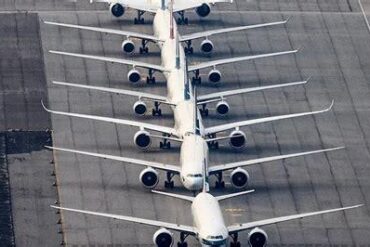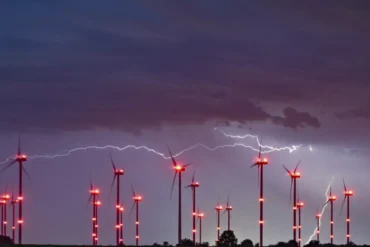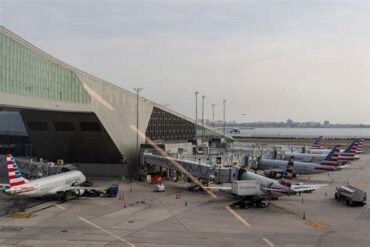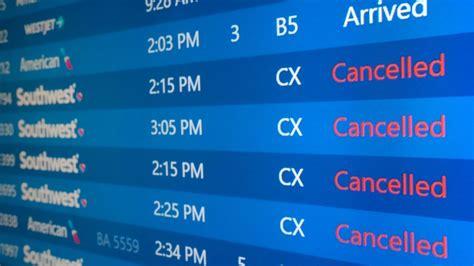
Severe summer storms have wreaked havoc across the United States, plunging the aviation industry into disarray as more than 190 flights were canceled and thousands delayed nationwide. The disruption, which has impacted a wide swath of domestic and international airlines, has left passengers stranded, terminals overwhelmed, and major transportation arteries bottlenecked with frustrated travelers.
Massive Disruptions Across Major Carriers
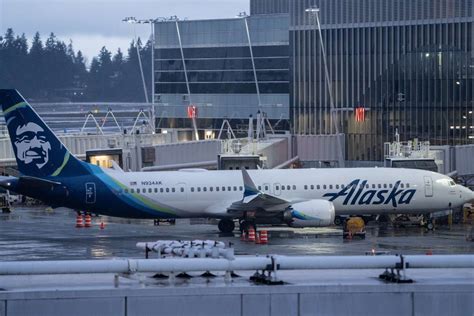
Among the worst-hit airlines was United Airlines, which bore the brunt of the meteorological mayhem with 27 flight cancellations and an astonishing 435 delays. Delta Air Lines followed closely, recording 7 cancellations and 510 delayed flights. American Airlines, while only canceling 4 flights, saw its operations ground nearly to a halt with 813 delays, the highest single-airline delay count during this event. Alaska Airlines reported 14 canceled flights and 171 delays, while Air Canada dealt with 7 cancellations and 124 delayed flights.
The ripple effect was not contained to these major carriers. A wide range of airlines, both domestic and international, also felt the sting of these weather-driven disruptions. JetBlue and KLM Royal Dutch Airlines faced high levels of operational interruption. Meanwhile, global giants such as British Airways, Air New Zealand, Cathay Pacific, Qatar Airways, and Emirates found their transatlantic and transpacific schedules severely altered.
Airports Under Siege: Critical Hubs Collapse Under Pressure
The confluence of storm cells, torrential rain, lightning, and strong winds led to major operational breakdowns at key U.S. airports. John F. Kennedy International Airport (JFK) in New York, Newark Liberty International Airport, and Chicago O’Hare International Airport were among the most dramatically affected, with wave after wave of cascading delays. On the West Coast, Seattle-Tacoma International Airport and Los Angeles International Airport (LAX) struggled to manage aircraft rotation and passenger congestion.
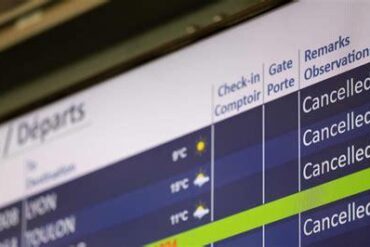
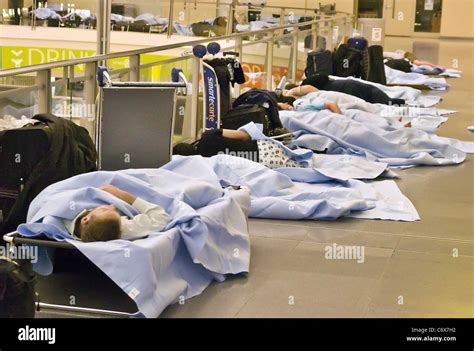
Inside terminals, scenes of chaos played out as passengers queued for hours in line to rebook missed connections, access compensation desks, or even secure overnight accommodations. Gate agents worked overtime as flight status monitors flickered red across departure halls. For many, a two-hour delay spiraled into overnight waits or even multi-day travel disruptions.
A Global Web of Delays and Cancellations
Although the core of the storm activity remained focused over the continental U.S., its effects rippled across global air networks. Airlines such as Air India, Singapore Airlines, Air France, SAS, Avianca, TAP Air Portugal, and China Southern Airlines reported widespread schedule modifications.
Regional carriers were not spared either. SkyWest, Republic Airlines, and GoJet Airlines—all of which operate flights under codeshare agreements with major U.S. carriers—encountered major delays and operational reassignments. Even low-cost and charter airlines such as Frontier, Spirit, Allegiant Air, Sun Country, and VivaAerobus faced cascading effects.
Airline Responses: Crisis Management in Action
Faced with mounting logistical nightmares, airlines scrambled to implement contingency measures. Rebooking kiosks and customer service counters were flooded, with many passengers experiencing wait times of more than four hours to get flight changes processed. Airlines such as Delta and United issued travel waivers, allowing affected passengers to reschedule without change fees.
Digital tools such as airline apps and websites played a crucial role in managing the chaos. Automated rebooking systems were utilized to redirect travelers to available seats on alternate routes or later flights. Some passengers received hotel vouchers, food credits, or even mileage compensation, though the consistency of support varied by carrier and region.
Despite these efforts, customer sentiment remained strained. Social media platforms lit up with complaints, video footage of overcrowded terminals, and anecdotes of missed weddings, business meetings, and once-in-a-lifetime vacations.
Passenger Impact: Frustration, Fatigue, and Uncertainty
Travelers from coast to coast were left grappling with the consequences of a system pushed to its limits. Families with young children struggled to find space to rest, while elderly passengers faced logistical challenges navigating sudden itinerary changes. Business travelers found themselves stuck in terminals without Wi-Fi or power outlets, unable to continue working.
Those affected were urged to regularly check airline apps and FAA updates, as the situation evolved hour by hour. However, the real-time nature of the delays meant even the most proactive travelers were often blindsided by sudden cancellations. Some passengers reported having their flights delayed multiple times only to be canceled minutes before boarding.
The Storms Behind the Chaos: What Triggered This Aviation Nightmare?
The root of this vast disruption lies in a series of fast-moving summer storm systems that swept across large portions of the Midwest, Northeast, and Pacific Northwest. Fueled by elevated humidity levels, rapid atmospheric pressure drops, and jet stream instabilities, the storms developed into potent convective weather systems. Flash floods, microbursts, wind shear, and lightning strikes all played a role in grounding aircraft and closing airspaces temporarily.
Air traffic control centers in New York, Chicago, and Seattle were forced to implement Ground Delay Programs (GDP) and Ground Stops, halting departures bound for the affected regions. These measures, while critical for safety, drastically reduced operational throughput at already stretched airports.
Looking Forward: Aviation’s Climate Challenge
The aviation industry has always operated in delicate synchronization, where small disturbances can generate vast knock-on effects. However, events like this underscore a growing existential challenge: climate-driven weather volatility.
Meteorologists and climate scientists point to rising ocean temperatures and shifting atmospheric currents as culprits behind the increasing frequency and intensity of summer storms. For airlines and airports, this presents a daunting operational challenge—how to maintain fluid scheduling and ensure safety amid a volatile sky.
To confront this, carriers are investing heavily in AI-driven weather prediction systems, better aircraft routing technologies, and dynamic scheduling software. Airports are also scaling up infrastructure resilience, including improved stormwater drainage, lightning detection networks, and emergency passenger management protocols.

Final Thoughts: A Season of Storms, A Call for Resilience
While the storms may pass, their legacy will echo in the policy rooms, control towers, and check-in counters of the airline industry for months to come. This most recent episode of mass disruption is not isolated but part of a growing pattern that suggests a rethinking of how aviation systems prepare for and respond to weather events is urgently required.
For travelers, flexibility, patience, and digital preparedness are now essential components of any journey. For airlines, balancing profitability with preparedness will define operational success in an age where the skies are no longer reliably calm.
As summer 2025 presses on, both industry stakeholders and everyday passengers will need to recalibrate expectations and plan with greater foresight. The era of weather-as-an-afterthought in aviation is officially over. The storm has arrived—not just in the sky, but in the strategy playbooks of air travel’s future.