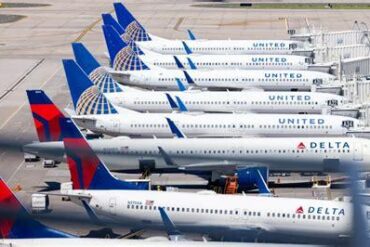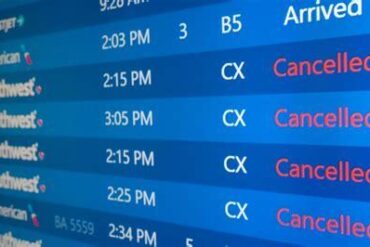
Travelers across the United States were thrown into chaos on November 21, 2025, as a staggering 440 flight cancellations and over 231 delays disrupted the schedules of some of North America’s largest airlines. Among the most affected were American Airlines, Delta, Air Canada, SkyWest, and regional partners like Envoy Air, causing a cascade of stranded passengers in key transportation hubs including Atlanta, Houston, Phoenix, Newark, Everett, and Miami.
American Airlines Leads with Massive Disruptions
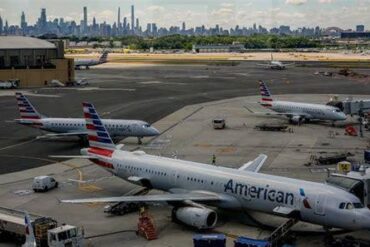
American Airlines emerged as the hardest hit, reporting 158 cancelled flights and 71 delays. The cancellations were concentrated around Dallas-Fort Worth International Airport (DFW)—a major operational base—disrupting both domestic and international traffic.
Among the cancelled flights were:
- Dallas-Fort Worth to Montreal (AAL2087)
- San Antonio to DFW (AAL1353)
- Phoenix to DFW (AAL1999)
- Houston Bush to DFW (AAL2881)
- Raleigh-Durham to DFW (AAL1888)
Passengers reported being left in limbo with little communication, many missing connecting flights and facing rebooking delays exceeding 12 hours.
Delta and Air Canada Struggle to Contain Fallout
Delta Airlines, despite a smaller footprint of cancellations, still experienced 22 flight cancellations and 3 delays, with knock-on effects across its main hubs. Delays stemmed from both air traffic control bottlenecks and operational limitations, adding to the snowballing congestion.
Air Canada, meanwhile, saw 16 cancelled flights and 6 delays, heavily impacting routes between Vancouver, Toronto, and key US cities like Los Angeles and Houston. Passengers flying transborder routes were particularly affected, with several missing international connections due to late or cancelled feeder flights.
SkyWest and Regional Partners Overwhelmed
Regional carrier SkyWest, operating flights on behalf of larger airlines, reported 7 cancellations, while other regionals including Envoy Air logged up to 70 flight cancellations in a single day. These airlines are crucial for connecting smaller cities to major hubs, and their cancellations triggered a ripple effect across the network.
For example, Envoy Air cancelled flights from:
- Mobile to DFW
- Columbia to DFW
- Corpus Christi to DFW
- Laredo to DFW
- Springfield to DFW
These routes are vital links for business travelers and small-city residents who rely on regional flights to access broader networks.
International Routes Hit Hard: Global Travel Snarled
International travel was not spared. Of the total 440 cancellations, 231 were international, affecting flights to and from Canada, Europe, Mexico, and Latin America. American Airlines, Air Canada, and Delta saw dozens of long-haul flights grounded, causing passengers to miss not only direct routes but also multi-leg itineraries across continents.
Airports like Toronto Pearson, Vancouver International, and Montreal-Trudeau became gridlocked with waiting travelers, many of whom expressed anger at long wait times and vague updates.
Root Causes: A Perfect Storm of Problems
The day’s widespread disruption was not the result of a single issue, but rather a convergence of persistent industry challenges:
- Severe Weather: Storm systems across the Midwest and Northeast hampered takeoffs and landings, grounding flights for safety.
- Crew and Staffing Shortages: Post-pandemic labor gaps continue to plague the airline industry, especially in regional operations.
- Operational Delays: Aircraft awaiting maintenance, gate availability, and airspace congestion forced schedule reshuffles.
- Post-COVID Demand Surge: Travel demand has rebounded faster than airlines can scale operations, causing recurring logistical breakdowns.
These factors not only caused delays but amplified one another, creating bottlenecks across the country’s interconnected flight grid.
Passenger Experience: Stranded, Delayed, and Frustrated
Thousands of passengers across Atlanta, Houston, Newark, Phoenix, and Miami found themselves stuck at terminals, uncertain of when—or if—they would depart. Many took to social media to vent frustration, citing:
- Inadequate customer service support
- Hours-long waits for rebooking
- Delayed or denied compensation
Airlines have begun offering refunds, travel credits, and hotel accommodations, but the response has been inconsistent across carriers and often delayed.
Will Flight Disruptions Continue?
Given the systemic nature of these disruptions, experts warn that such cancellations are likely to persist in the near future. Airlines are scrambling to train new staff, update fleets, and adjust for weather seasonality, but recovery timelines remain uncertain.
Travelers are advised to:
- Book flights with flexible terms
- Opt for direct routes when possible
- Monitor real-time updates via airline apps
Airlines are also encouraging passengers to check-in early, especially for international flights, and to sign up for text/email alerts for immediate notification of changes.
Industry-Wide Wake-Up Call
This mass disruption underscores the fragility of the modern airline network, where a localized issue can spiral into nationwide chaos. As airlines work to rebuild capacity and trust, the travel experience may remain volatile for months.
With half of all affected flights being international, the ripple effects are global. Travelers navigating today’s airways must do so with patience, vigilance, and a readiness to pivot at a moment’s notice.