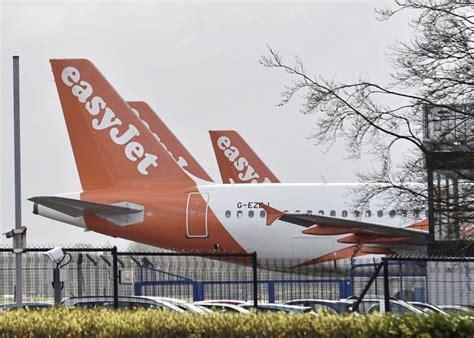
US private equity giant Apollo Global Management has formally agreed to acquire easyJet in a £5.7 billion ($7.7 billion) takeover that will transform one of Europe’s most recognizable low-cost airlines from a publicly listed company into a privately owned business. The deal values easyJet at £7.15 per share, representing an 81% premium compared with the airline’s closing share price before takeover interest became public.
The acquisition marks the end of easyJet’s more than 25 years on the London Stock Exchange and represents one of the largest airline buyouts in European aviation history. However, Apollo’s initial approach is focused on continuity rather than disruption, with the investment firm emphasizing that easyJet will maintain its brand identity, UK headquarters, and existing airline operating certificates in the UK, Austria, and Switzerland.
The most immediate reassurance for employees is Apollo’s commitment that it does not plan any material workforce reductions during the first 12 months after completing the transaction. The private equity firm has stated that retaining key employees will be a priority as it begins a detailed review of easyJet’s operations.

The takeover still requires several regulatory approvals, including shareholder approval, court authorization, aviation permissions, merger-control reviews, and foreign investment assessments. If all conditions are satisfied, the transaction is expected to close in March 2027.
Apollo Wins Competitive Battle for Europe’s Major Low-Cost Airline
Apollo’s takeover victory followed an unusual bidding competition between two major US investment firms. Castlelake initially approached easyJet in June and submitted several proposals, eventually raising its offer to £6.90 per share and valuing the airline at approximately £5.5 billion.
However, Apollo entered the process with a stronger proposal in July, offering £7.15 per share. The higher valuation convinced easyJet’s board to switch its recommendation and support Apollo’s offer. Castlelake withdrew from the process on August 6, allowing Apollo’s proposal to move forward as the preferred transaction.
Unlike many private equity acquisitions where founders and early investors exit completely, easyJet founder Sir Stelios Haji-Ioannou and his family will remain involved. Stelios, along with Clelia Haji-Ioannou and Polys Haji-Ioannou, has chosen to roll their approximately 15.31% stake into the new private ownership structure.
This decision signals confidence in easyJet’s future growth strategy. Rather than treating the acquisition as a short-term financial transaction, Apollo and the Haji-Ioannou family appear aligned around expanding the airline’s value over the longer term.
Under the proposed structure, Apollo-managed funds could hold up to 49.9% of the new company, while existing shareholders who choose to retain ownership through private shares could hold between 45.1% and 49.9%. A separate EU trust structure may hold up to 5% to help satisfy European aviation ownership requirements.
Why Apollo Wants to Buy easyJet
Apollo Global Management is one of the world’s largest alternative asset managers, overseeing approximately $1.05 trillion in assets as of 2026. While private equity represents only one part of its wider investment operations, Apollo has extensive experience acquiring companies, providing capital, and helping businesses expand.
The aviation sector is already familiar territory for Apollo. Previous investments include airlines such as Sun Country Airlines, Aeromexico, and Atlas Air, while the firm has also participated in aircraft financing and aviation-related investments.
Apollo believes easyJet represents an attractive opportunity because the airline already has several valuable assets: a powerful consumer brand, a large European network, a modern fleet, strong airport positions, and growing businesses beyond traditional ticket sales.
The investment firm has specifically highlighted three areas with significant growth potential: easyJet Holidays, improved customer loyalty products, and fleet expansion through larger aircraft.

One of the biggest attractions is easyJet’s position at major European airports where capacity is limited. Airports such as London Gatwick, Amsterdam Schiphol, and Geneva have valuable slots that are difficult for competitors to obtain. Apollo believes these airport assets provide easyJet with a competitive advantage compared with ultra-low-cost rivals that often rely on secondary airports.
The ability to generate more revenue from each aircraft movement is particularly important in European aviation. By increasing aircraft utilization, improving pricing strategies, and attracting higher-value passengers, Apollo believes easyJet can significantly improve profitability without abandoning its low-cost business model.
Apollo Plans Growth Rather Than Immediate Restructuring
Although private equity ownership often creates concerns about cost reductions, Apollo’s early statements suggest that easyJet passengers and employees should see limited immediate changes.
The investment firm has emphasized that easyJet will remain a standalone airline and that it intends to work alongside existing management. Apollo believes the company already has the right foundations and that the opportunity lies in improving performance rather than rebuilding the airline from scratch.
A major focus will be increasing revenue from existing operations. Apollo plans to develop a more advanced loyalty program that goes beyond easyJet’s current Flight Club offering. A stronger loyalty ecosystem could encourage repeat bookings, increase customer engagement, and create additional revenue opportunities.
The firm is also interested in premiumization, including selected premium or business-focused services on specific routes. While easyJet has traditionally competed through affordable fares, Apollo believes there is room to capture more high-value travelers without changing the airline’s core low-cost identity.
Technology, Ancillary Revenue, and easyJet Holidays Could Drive Future Growth
Apollo sees significant potential in easyJet’s additional revenue streams. Airlines increasingly rely on ancillary income from services such as baggage fees, seat selection, priority boarding, and holiday packages. Improving these products could allow easyJet to generate more revenue from existing passengers.
The expansion of easyJet Holidays is another major opportunity. The holiday business has become an increasingly important contributor to airline profits, allowing carriers to capture more value throughout the customer journey rather than only selling flights.
Apollo also wants to improve revenue management systems, allowing easyJet to optimize ticket pricing and aircraft capacity more effectively. Better technology could help the airline adjust fares based on demand patterns, seasonal changes, and route performance.
Potential partnerships, interline agreements, and codeshare opportunities may also be explored. These could expand easyJet’s reach while maintaining its low-cost structure.
The First Year Will Focus on Review Before Major Changes
Despite Apollo’s ambitious growth plans, the company has made clear that the first year after completion will largely involve assessment and planning.
The private equity firm has acknowledged that information available during the takeover process is not sufficient to finalize every strategic decision. Instead, Apollo intends to work closely with easyJet management to conduct a comprehensive review of operations, financial performance, and future opportunities.
This means passengers are unlikely to notice dramatic changes immediately after the acquisition. The orange easyJet aircraft, existing routes, and familiar customer experience are expected to continue.
However, behind the scenes, Apollo will likely examine every part of the business, from fleet efficiency and airport slot utilization to customer products and digital systems.
easyJet’s Future Under Apollo Could Reshape European Low-Cost Aviation
The £5.7 billion takeover represents a major turning point for easyJet. The airline is not being acquired because of failure, but because Apollo believes it can unlock additional value from one of Europe’s strongest low-cost carriers.
The investment firm’s strategy is based on using easyJet’s existing strengths more effectively: its brand, airport network, aircraft fleet, customer base, and holiday business. Instead of immediately cutting costs, Apollo’s stated approach focuses on growth, efficiency, and increased profitability.
For employees, the first 12 months are expected to bring stability rather than disruption. For passengers, the airline should continue operating much as it does today.
The longer-term outcome will depend on Apollo’s ability to balance financial improvement with the qualities that made easyJet successful: affordable fares, operational efficiency, and a strong presence across Europe’s most important aviation markets.