Spirit Airlines has reached another major milestone in the winding down of its business, with the final 27 Airbus A320 family aircraft in its fleet approved for sale by a US bankruptcy court. The transactions, worth a combined $668.1 million, mark one of the last major steps in the liquidation of the former ultra-low-cost carrier and provide a clear picture of how valuable its remaining narrowbody assets were.
The aircraft were divided between two separate buyers. Four Airbus A321-200s were sold to FTAI Aircraft Leasing Bermuda for $100.7 million, while the remaining 23 aircraft were sold to Save 2026-B LLC for $567.4 million. The deals were approved by bankruptcy judge Sean Lane, who has been overseeing Spirit’s restructuring and eventual shutdown.
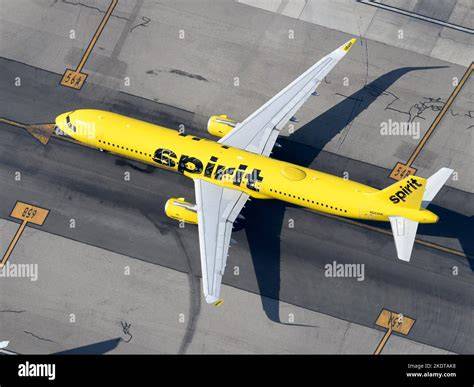
The sale is particularly significant because these aircraft represent the last major group of Spirit jets awaiting disposition. The carrier’s collapse has already triggered a broad redistribution of aircraft, airport slots, gates, and other assets across the US aviation industry. With these 27 aircraft now committed to buyers, Spirit’s physical fleet is moving closer to being fully dispersed among lessors, lenders, and other aviation companies.
Spirit Airlines’ Final 27 Airbus Aircraft Sale
The first transaction covers four Airbus A321-200 aircraft: N661NK, N665NK, N670NK, and N671NK. FTAI Aircraft Leasing Bermuda agreed to pay $100.7 million for the group, making the average transaction value roughly $25.2 million per aircraft.
The second and substantially larger transaction involves 23 Airbus aircraft. This group contains 10 A320-200s and 13 A321-200s and was sold to Save 2026-B LLC for $567.4 million. According to reporting cited in the reference material, the company is controlled by Spirit’s aircraft lenders, making the transaction an important part of the process through which secured creditors recover value from the carrier’s remaining fleet.
All 27 aircraft are powered by V2500 engines, adding another common characteristic to the final portfolio. Their engines and airframes remain valuable aviation assets even though Spirit itself is no longer operating them.
The sales documents also make clear that ownership brings immediate responsibility for the aircraft. After delivery, the buyers are responsible for arranging parking and storage, as well as paying the associated fees. This detail matters because the aircraft are not simply being transferred directly into new passenger service. Their next stage could involve storage, leasing, maintenance, modification, or eventual deployment by another operator.
Why Spirit’s Airbus Jets Still Have Significant Value
Spirit’s remaining fleet demonstrates why aircraft can retain considerable value even when the airline operating them disappears. The Airbus A320ceo family remains one of the world’s largest commercial aircraft fleets, supported by a mature maintenance ecosystem, extensive pilot and mechanic familiarity, and a substantial supply chain for components and engines.
The A321-200s are particularly useful assets because their larger fuselage provides significantly more passenger capacity than the A320. For lessors and airlines seeking relatively proven narrowbody aircraft, an A321 can remain commercially useful even when newer-generation aircraft are increasingly entering fleets.
The V2500 engines also connect the aircraft to a large global installed base. Although newer engines and aircraft offer better fuel efficiency, established engine families can retain value through parts support, maintenance programs, and demand for serviceable components. That helps explain why Spirit’s remaining aircraft can command hundreds of millions of dollars collectively despite the carrier’s financial collapse.
Spirit’s Collapse Leaves a Gap in the US Low-Cost Market
The aircraft sales are only one part of Spirit’s larger disappearance from the US airline market. For years, the carrier helped define the country’s ultra-low-cost airline model, combining very low base fares with separately priced extras for baggage, seat selection, food, and other services.
That model generated controversy, but it also created a distinctive pricing option for travelers who wanted to pay only for the services they used. Former Spirit customers quoted in reporting highlighted the carrier’s low base fares and the ability to purchase additional services individually.
Spirit’s absence has therefore changed the competitive landscape. Other airlines have moved to capture portions of its former network and customer base, but replacing an airline is not as simple as replacing individual flights. Aircraft availability, airport access, gates, slots, crews, and route economics all influence how quickly competitors can absorb abandoned capacity.
From A320 Fleet Growth to Final Asset Sales
Spirit’s final aircraft sales also close a remarkable chapter in the carrier’s fleet history. Although the airline became strongly associated with Airbus narrowbodies, its historical fleet was considerably more diverse.
According to ch-aviation data cited in the reference material, Spirit operated 309 aircraft across its history. Earlier fleets included McDonnell Douglas MD-81, MD-82, MD-83, and MD-87 aircraft, along with DC-9-20, DC-9-30, and DC-9-40 jets. The airline also operated a Learjet 60.
Its Airbus fleet eventually became much more extensive, including 35 A319-100s, 64 A320-200s, 91 A320neos, 36 A321-200s, and 32 A321neos. That transition reflected the broader evolution of Spirit into a large Airbus narrowbody operator.
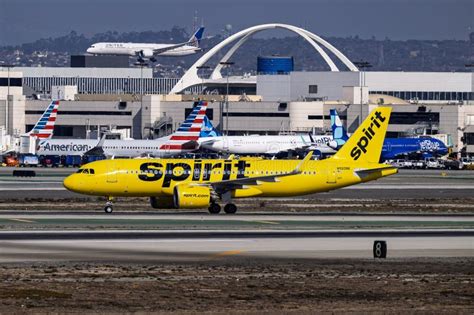
The final 27 A320ceo-family aircraft therefore represent more than another asset transaction. They are part of the last remaining physical evidence of an airline that once operated hundreds of aircraft and served communities across the United States, the Caribbean, and Latin America.
What Happens to Spirit’s Remaining Assets?
The $668 million aircraft sale is another step toward completing Spirit’s liquidation, but aircraft are only one category of assets being handled through the bankruptcy process. Other valuable holdings include airport gates, slots, equipment, and various contractual rights.
The redistribution of these assets could continue influencing the US airline industry even after Spirit’s aircraft have disappeared from its former network. Competitors seeking additional airport access may value Spirit’s infrastructure separately from its airplanes, while lessors and lenders have an incentive to maximize the recoverable value of each aircraft.
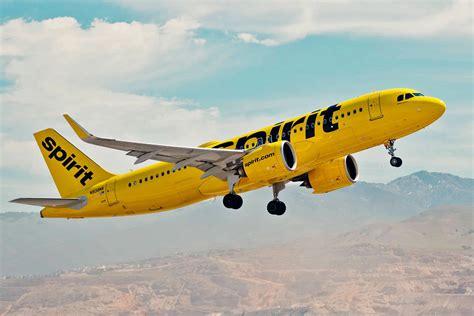
For passengers, however, the most visible consequence is simpler: Spirit’s yellow aircraft are disappearing from the US skies. The final sale of these 27 Airbus jets brings that process another step closer to completion, transforming the remains of one of America’s most recognizable low-cost airlines into assets controlled by new owners.