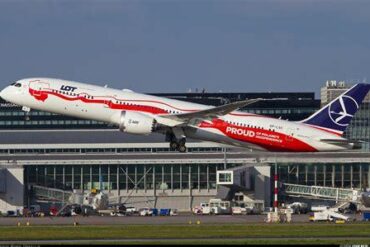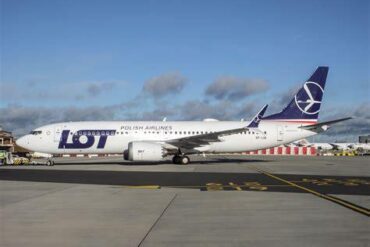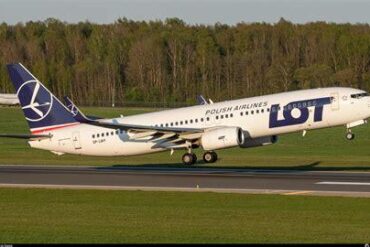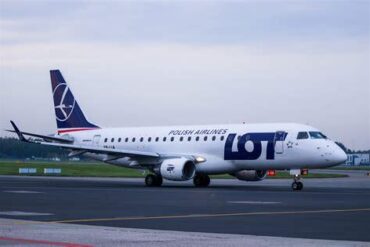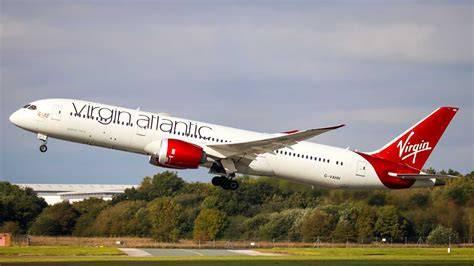
Virgin Atlantic is moving ahead with plans to transfer two Boeing 787-9 Dreamliners to LOT Polish Airlines, marking another step in the British carrier’s long-term effort to streamline its widebody fleet. The aircraft are expected to join LOT in 2027, strengthening the Polish airline’s growing Dreamliner operation while helping Virgin Atlantic reduce its 787-9 fleet.
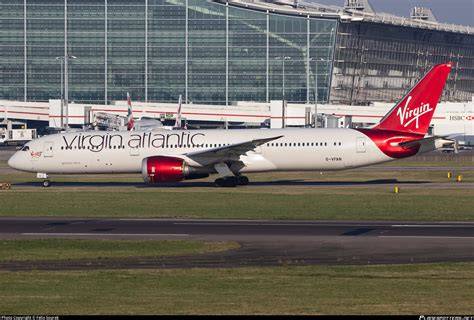
The transaction will reduce Virgin Atlantic’s Boeing 787-9 fleet from 17 aircraft to 14 as the airline increasingly concentrates its future widebody strategy around newer Airbus types. LOT CEO Michał Fijoł confirmed that the two-aircraft transfer is expected to be completed in 2027, although the exact airframes involved have not yet been publicly identified.
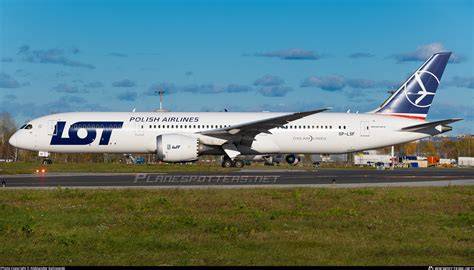
For LOT, the deal represents an opportunity to expand long-haul capacity without waiting years for new aircraft deliveries. The airline already operates a substantial Dreamliner fleet consisting of eight Boeing 787-8s and seven Boeing 787-9s, meaning the incoming aircraft will fit naturally into an established operational and maintenance environment.
Virgin Atlantic Reduces Boeing 787-9 Fleet as Airbus A330neo Takes Center Stage
Virgin Atlantic’s decision is part of a broader fleet transformation that has been developing for several years. The airline outlined plans in 2024 to reduce its Boeing 787-9 fleet, targeting 14 aircraft by the first quarter of 2028. Several of the remaining Dreamliners are expected to receive long-term lease extensions, allowing Virgin Atlantic to retain the type while gradually shifting its emphasis elsewhere.
That shift increasingly favors Airbus. Virgin Atlantic’s planned widebody fleet includes 12 Airbus A330neos and 12 Airbus A350-1000s, creating a fleet structure in which Airbus aircraft will significantly outnumber Boeing 787-9s. The strategy reflects the carrier’s focus on younger aircraft and its desire to deploy premium-heavy configurations on important long-haul markets.
The A330neo is particularly important to that strategy because Virgin Atlantic has developed a distinctive premium cabin product around it. On selected aircraft, the configuration includes 44 Upper Class seats and 56 Premium seats, supporting the airline’s emphasis on higher-yield transatlantic traffic.
Two Boeing 787-9s Will Require Cabin Refurbishment at LOT
Once the two former Virgin Atlantic aircraft arrive at LOT Polish Airlines, they are expected to undergo a cabin refurbishment rather than a major reconfiguration. That distinction could help accelerate their introduction into LOT service.
Because the aircraft will remain broadly similar to their current configuration, LOT should avoid some of the lengthy engineering and certification work associated with completely redesigning an aircraft interior. For an airline seeking additional long-haul capacity, that can be a meaningful advantage.
The exact identities of the two aircraft remain unknown. Neither Virgin Atlantic nor LOT has publicly specified which 787-9s will change operators, leaving further details about their histories, delivery dates and future cabin layouts to be confirmed.
LOT Polish Airlines Uses Second-Hand Dreamliners to Accelerate Growth
The acquisition is particularly significant for LOT Polish Airlines, which has been looking for practical ways to increase its long-haul capacity from its Warsaw Chopin Airport hub. Demand for additional international services has created pressure for more widebody aircraft, but acquiring brand-new jets can take considerable time.
Instead, LOT has increasingly looked toward midlife aircraft from other airlines. The Virgin Atlantic transaction follows plans to obtain additional Dreamliners from Thai Airways, giving LOT another route toward expanding its long-haul fleet without relying entirely on new deliveries.
The economics are also compelling. Used aircraft can generally be obtained more quickly and at a lower acquisition cost than factory-new jets. With aircraft manufacturers facing delivery backlogs and production challenges, securing proven aircraft already in service can provide airlines with a faster way to respond to market opportunities.
LOT is also expected to temporarily add two Boeing 777s through wet leases during the peak winter season. These aircraft will provide additional capacity while the airline continues building its long-haul network.
Virgin Atlantic’s A330neo Strategy Is Built Around Premium Demand
The importance of the A330neo goes beyond simply replacing older aircraft. Virgin Atlantic has designed the aircraft around a premium-focused transatlantic strategy, with New York among the key markets where high-yield demand can justify a substantial premium cabin.
Perhaps the most distinctive feature is The Retreat Suite, Virgin Atlantic’s exclusive premium offering on the A330neo. Two private suites are installed aboard each aircraft, featuring a six-foot-seven-inch lie-flat bed, a 27-inch entertainment screen and an ottoman that can function as an additional seat.
The design also allows as many as four people to dine together in a private space. Elsewhere, an onboard social area can accommodate eight passengers, reinforcing Virgin Atlantic’s effort to make its A330neo more than simply another long-haul aircraft.
What the Deal Means for Both Airlines
The transfer illustrates two very different fleet priorities. Virgin Atlantic is simplifying and modernizing its widebody fleet, placing greater emphasis on Airbus A330neos and A350-1000s while maintaining a smaller core of Boeing 787-9s.
LOT, meanwhile, is using the availability of proven Dreamliners to expand its long-haul reach more quickly. The two aircraft from Virgin Atlantic should strengthen an existing fleet rather than introduce a completely unfamiliar type.
The result is a strategically useful exchange: Virgin Atlantic gains a clearer path toward its A330neo-led premium strategy, while LOT obtains additional long-haul capacity without waiting for new aircraft to arrive. By 2027, the two Boeing 787-9s could therefore represent much more than a simple aircraft sale—they will be another sign of how Europe’s major airlines are reshaping their fleets around changing demand, delivery constraints and premium travel economics.