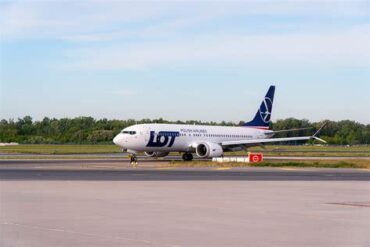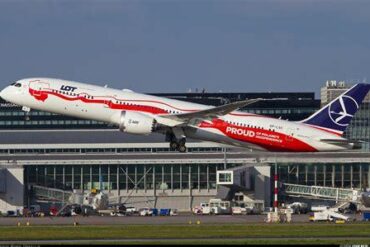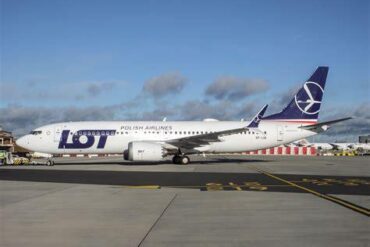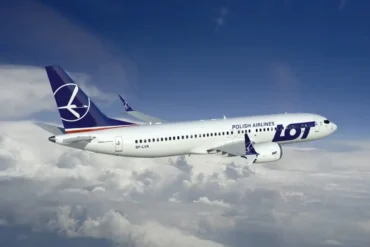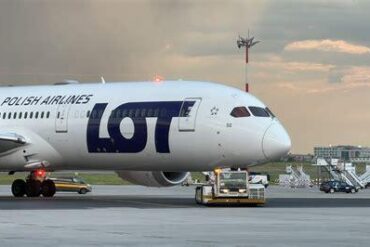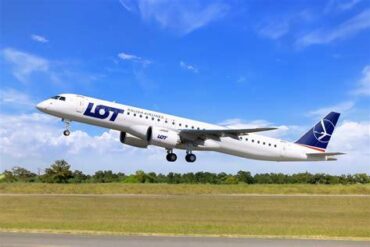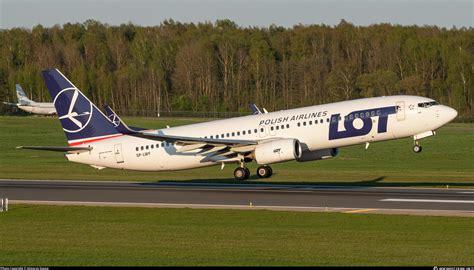
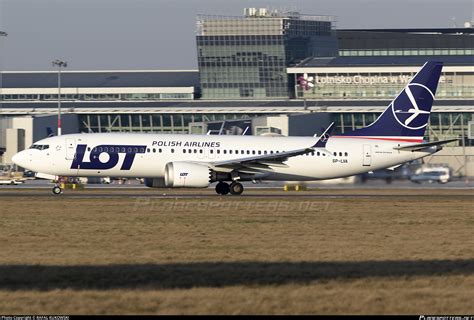
LOT Polish Airlines has intensified its courtroom battle against Boeing in a case that continues to draw global attention across the aviation industry. The Polish flag carrier argues that Boeing concealed critical safety concerns surrounding the 737 MAX program while aggressively marketing the aircraft to airlines worldwide. Despite the lawsuit, LOT remains deeply invested in the aircraft family and still operates 26 Boeing 737 MAX 8 jets, with additional deliveries yet to arrive.
The legal dispute highlights the complicated relationship airlines have with Boeing following the 737 MAX crisis, where commercial necessity, fleet planning, and financial survival often collide with corporate accountability. For LOT, the issue is not whether the aircraft can fly safely today, but whether Boeing misled customers during the aircraft’s sales campaign before the fatal crashes that led to the type’s worldwide grounding.
LOT had originally viewed the Boeing 737 MAX as a transformational aircraft capable of reducing fuel costs, improving operational efficiency, and strengthening the airline’s position in Europe’s fiercely competitive short-haul market. During the late 2010s, the airline was still recovering from earlier financial difficulties, and the MAX represented a cornerstone of its modernization strategy.
Boeing Accused Of Concealing Critical 737 MAX Safety Problems
At the center of LOT’s lawsuit is the allegation that Boeing knowingly failed to disclose significant safety flaws tied to the Maneuvering Characteristics Augmentation System, better known as MCAS. The automated flight-control system became infamous after investigators linked it to the crashes of Lion Air Flight 610 in 2018 and Ethiopian Airlines Flight 302 in 2019, which together claimed 346 lives.
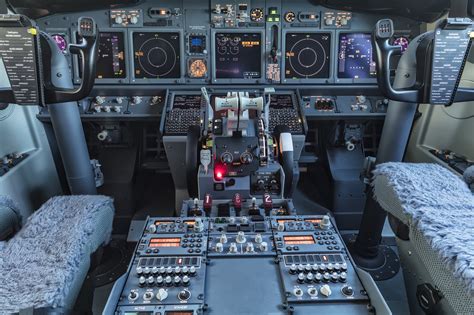
According to court arguments reported by Reuters, LOT claims Boeing continued promoting the aircraft even after early warning signs emerged following the first crash. The airline contends that Boeing’s sales messaging emphasized the simplicity of transitioning pilots from earlier Boeing 737 Next Generation aircraft to the MAX variant, minimizing the need for expensive simulator training.
That promise became one of the aircraft’s strongest selling points. Airlines seeking lower operating costs saw enormous value in avoiding extensive pilot retraining programs. Former LOT executive Maciej Wilk reportedly told jurors that pilot training advantages were presented as a “key promise” during Boeing’s negotiations with airlines.
The issue later became deeply controversial after investigations revealed that MCAS could activate repeatedly based on faulty sensor data, pushing the aircraft’s nose downward while pilots struggled to regain control. Regulators around the world eventually grounded the entire 737 MAX fleet for nearly 20 months, creating one of the most damaging crises in Boeing’s modern history.
LOT argues that the grounding caused severe financial losses precisely because the airline had become heavily reliant on the aircraft. Attorney Anthony Battista summarized the airline’s position bluntly in court, stating that the case revolves around “Boeing’s lies and deception and the devastating financial harm it caused.”
The Grounding Hit LOT At The Worst Possible Moment
The timing of the 737 MAX grounding could hardly have been worse for LOT Polish Airlines. The carrier had already integrated the aircraft into its broader growth strategy and depended on the MAX to improve efficiency across European operations. When regulators suspended flights, LOT suddenly faced capacity shortages, operational disruptions, and mounting financial pressure.
The crisis became even more severe when the coronavirus pandemic erupted in early 2020, devastating international aviation demand. Airlines worldwide entered survival mode, but carriers with grounded MAX fleets faced an especially painful double blow. LOT’s dependence on the aircraft magnified the economic impact.
Unlike some airlines that diversified narrowbody operations between Boeing and Airbus aircraft, LOT maintained strong loyalty to Boeing’s single-aisle lineup. Even today, the airline operates significantly more 737 MAX aircraft than older 737-800 models, underscoring how central the type remains to its network strategy.
Why LOT Continues Flying The Boeing 737 MAX
One of the most striking aspects of the legal battle is that LOT continues operating the same aircraft family at the center of its lawsuit. Boeing’s legal team has reportedly used this fact aggressively in court, accusing the airline of criticizing the manufacturer publicly while still relying heavily on the MAX for commercial operations.
However, the contradiction is less dramatic when viewed from an airline economics perspective. After extensive redesigns, software modifications, and renewed regulatory certification, the 737 MAX returned to service globally with updated pilot training requirements and revised safety protocols. Most airlines that previously grounded the aircraft eventually restored it to regular operations.
For LOT, abandoning the MAX entirely would create enormous operational and financial complications. The airline has already invested heavily in fleet commonality, pilot qualification structures, maintenance infrastructure, and route planning centered around the aircraft. Replacing the jets would likely require billions in additional spending and years of transition planning.
Current fleet data shows that LOT operates 26 Boeing 737 MAX 8 aircraft, with four more still scheduled for delivery. Once completed, the airline’s MAX fleet will total 30 aircraft. The jets are relatively young, averaging approximately 3.8 years in age.
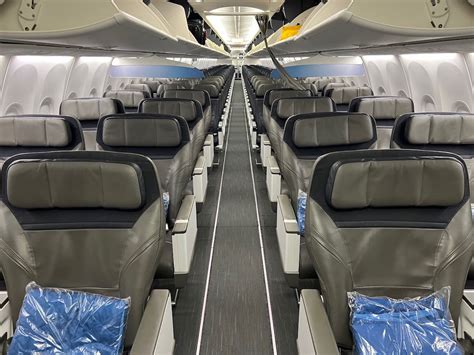
Most of the fleet remains active in daily operations. Only one aircraft, registered as SP-LYG, has recently been listed in maintenance activity at Katowice Airport. The aircraft typically operate with flexible two-class cabin layouts accommodating either 186 or 189 passengers, allowing LOT to adjust business-class capacity depending on route demand.
A Trial That Could Shape Future Airline Lawsuits
LOT’s lawsuit stands apart because it has progressed further publicly than many previous disputes involving Boeing and the 737 MAX crisis. Several airlines reached confidential settlements with Boeing behind closed doors, avoiding lengthy courtroom confrontations. LOT instead chose a more visible legal path, potentially exposing additional internal discussions surrounding Boeing’s handling of the MAX program.
The outcome could influence how future aviation lawsuits are pursued, particularly regarding manufacturer transparency, pilot training disclosures, and aircraft certification processes. Airlines around the world continue watching the proceedings closely, especially carriers that still operate substantial 737 MAX fleets.
For Boeing, the case represents another reputational challenge during a period already marked by manufacturing scrutiny, regulatory pressure, and renewed questions about corporate oversight. For LOT Polish Airlines, the lawsuit is both a financial battle and a public attempt to hold one of the world’s largest aerospace manufacturers accountable while continuing to depend on the very aircraft at the center of the controversy.