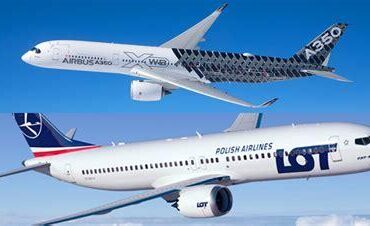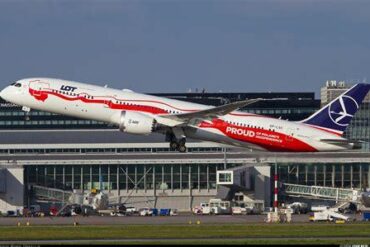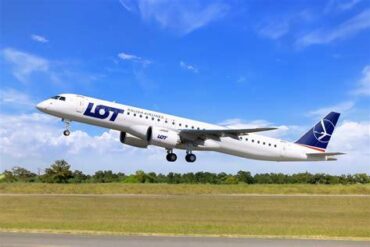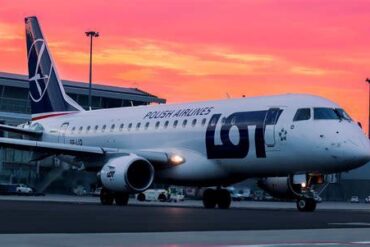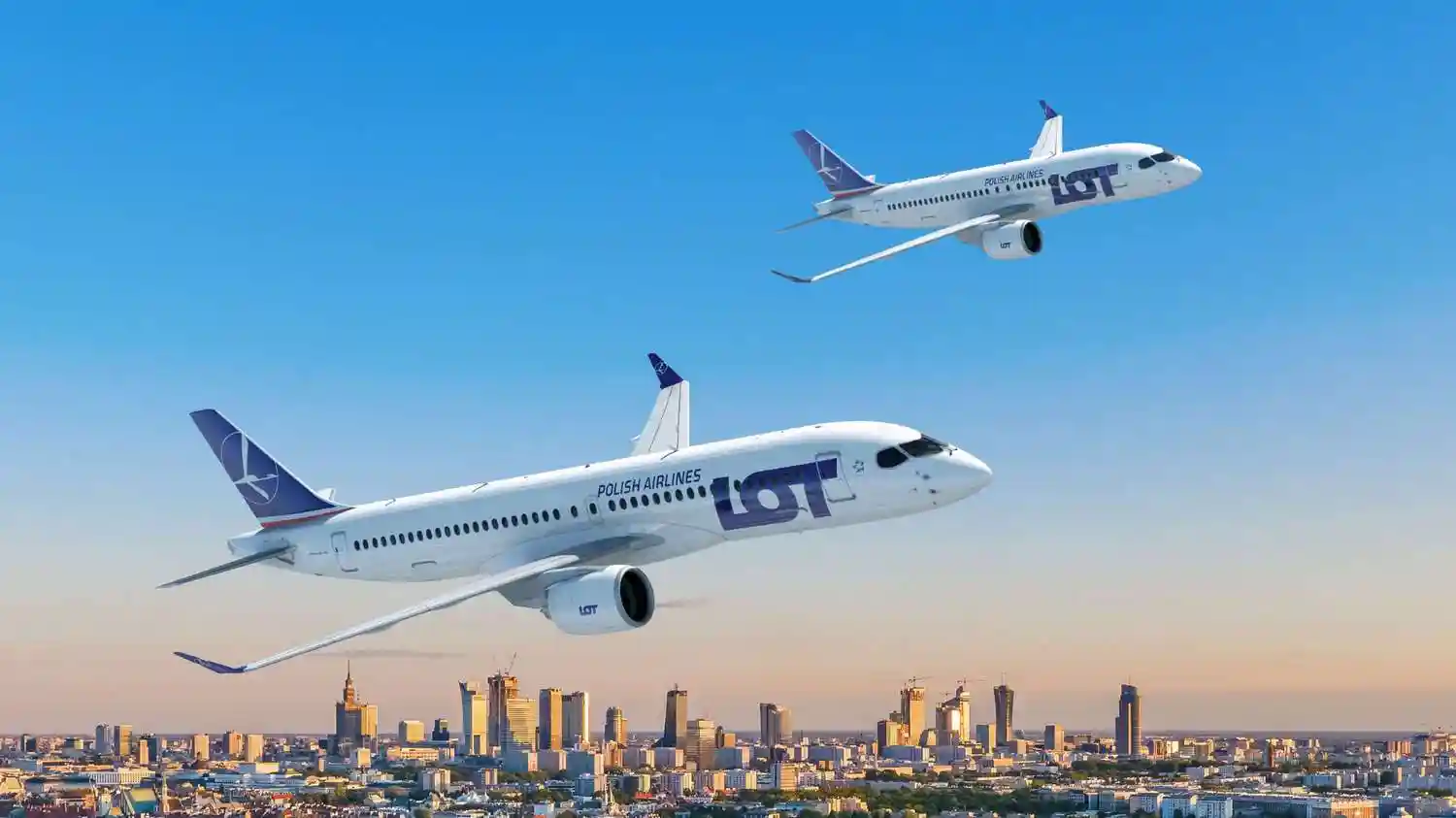
LOT Polish Airlines has cemented its place in European aviation history with a groundbreaking order of 40 Airbus A220 aircraft, accompanied by options for 44 more. This ambitious fleet modernization initiative will replace its aging Embraer E1 regional aircraft, redefining the airline’s strategic trajectory and operational model. The move underscores LOT’s commitment to scaling its regional network and enhancing cost efficiency amid intensifying competition and growing passenger demand.
A Strategic Shift in Aircraft Philosophy
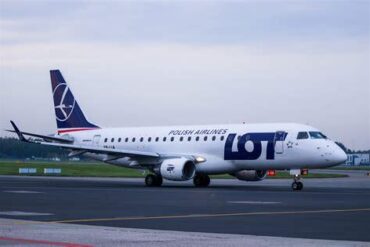
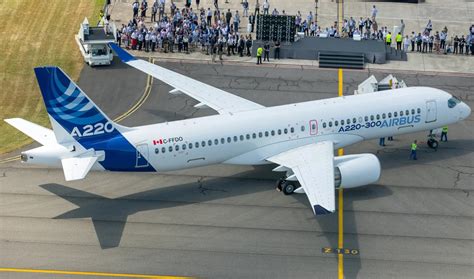
In what analysts are calling a significant pivot, LOT Polish Airlines chose the Airbus A220 family—primarily the larger A220-300 variant—over the expected successor, Embraer’s E2 jets. Historically, LOT has relied on Embraer’s E-Jet series to service regional routes across Europe. Opting for Airbus represents a seismic shift in philosophy, particularly as LOT had never previously integrated Airbus aircraft into its fleet.
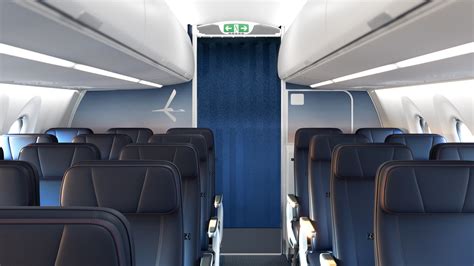
The A220-300’s superior seating capacity, lower fuel consumption, and modern design allow for greater efficiency and flexibility on high-density regional routes. With seating configurations for up to 149 passengers, the A220-300 delivers a 25% reduction in fuel burn per seat compared to previous-generation jets—a decisive advantage in an era defined by rising fuel costs and environmental scrutiny.
Political Currents Beneath the Surface
While LOT’s executives insist the decision was purely performance-driven, some industry watchers suggest the evolving political alignment between Poland and France may have subtly influenced the deal. As the Polish flag carrier, LOT’s decisions often carry geopolitical overtones. The order cements Airbus’ footprint in Poland, one of the last European markets where the European manufacturer had not yet made inroads with LOT.

Moreover, Poland’s increasing alignment with the European Union’s strategic economic interests could have nudged LOT toward favoring Airbus. Yet, LOT emphasized that both proposals—Airbus and Embraer—were thoroughly vetted, and the A220 simply offered better long-term value and operational alignment.
An Eye Toward the Future: LOT’s Growth Vision
LOT’s fleet overhaul is more than a tactical maneuver; it’s a cornerstone of its vision for long-term growth. With Warsaw Chopin Airport nearing capacity constraints, LOT has pinned its future on the Centralny Port Komunikacyjny (CPK), a monumental transportation hub projected to open by 2032. This new gateway is expected to elevate Warsaw’s standing as a regional aviation hub and give LOT the runway—literally and figuratively—for significant fleet and network expansion.
Until then, LOT will use the A220s to enhance productivity on current routes and unlock new regional and medium-haul services that its existing Embraer fleet cannot efficiently support. The aircraft’s transcontinental range opens new doors for point-to-point connections across Europe, the Caucasus, and parts of Central Asia.

Technical Integration and Fleet Configuration
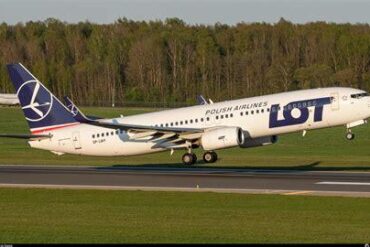
LOT’s current fleet composition remains heavily Boeing-centric, with 17 Boeing 737 MAX 8, six 737-800s, and 13 Boeing 787 Dreamliners covering its short- and long-haul operations. The addition of the Airbus A220 marks LOT’s first formal venture with Airbus, expanding its operational capabilities while strategically diversifying supplier relationships.
The new A220s will comprise both A220-100 and A220-300 variants. The A220-100, suited for thinner regional routes, offers seating for 100–120 passengers and will complement the denser A220-300 operations. This two-pronged configuration ensures LOT can tailor aircraft deployment to market-specific demand without sacrificing cost-efficiency.
Maintenance and crew training will require careful planning. LOT is expected to establish new technical and pilot training infrastructure to integrate the Airbus models, potentially creating partnership opportunities with local MRO providers and aviation schools. The airline’s decision is not just about fleet economics—it will stimulate aerospace-related employment and training ecosystems in Poland.
Facing Down Budget Airlines with Strategic Positioning
LOT operates in one of Europe’s most competitive airspaces, especially dominated by low-cost giants like Ryanair and Wizz Air. These carriers have eroded traditional airlines’ market share with their ultra-lean operations and relentless route expansion. However, LOT has tactically differentiated itself by focusing on underserved regional hubs and operating narrowbody aircraft on medium-haul routes, such as connections to Uzbekistan and Kazakhstan.
This hybrid model—combining LCC-style efficiency with full-service branding—positions LOT uniquely. With the A220, the airline will double down on its niche by increasing seat count while maintaining lower per-trip costs, giving it an edge on underserved routes where LCCs have not penetrated deeply. The aircraft’s low noise levels and carbon emissions will also make LOT more attractive to regulators and environmentally conscious travelers alike.
Industry Implications and European Aviation Dynamics
LOT’s deal reverberates beyond Poland. It marks a win for Airbus in the ongoing turf battle between Airbus and Embraer for dominance in the regional jet segment. For years, Embraer had maintained an iron grip on Europe’s regional carriers. The LOT order may signal a shift in regional airline procurement preferences as other carriers watch LOT’s integration results closely.
The broader European aviation sector, emerging from the pandemic with evolving passenger behaviors and an increased focus on sustainability, has begun to gravitate toward newer, more fuel-efficient aircraft. The A220’s strong environmental credentials, combined with competitive unit economics, make it an appealing choice for airlines seeking to modernize fleets without expanding carbon footprints.
Timeline and Delivery Outlook
Deliveries of the 40 Airbus A220s are expected to commence within the next two years, with the entire firm order potentially completed by 2030. The pace of integration will be synchronized with the gradual retirement of LOT’s 44 Embraer E1 jets, ensuring seamless transition and minimal service disruption.
The order agreement also includes purchase options for 44 additional units, signaling LOT’s long-term confidence in the A220 platform. This flexibility allows the airline to scale operations based on market conditions, avoiding the financial strain of over-commitment while keeping expansion ambitions alive.
Conclusion: Redefining LOT’s Place in Global Aviation
LOT Polish Airlines has long straddled the line between traditional network carrier and nimble regional operator. With this strategic Airbus A220 order, the airline sets a new benchmark in modern European aviation. The deal isn’t merely about fleet refresh—it’s a full-scale transformation aimed at delivering scalability, profitability, and sustainability.
As LOT prepares to expand its fleet and route map in anticipation of Warsaw’s Central Communication Port and an increasingly borderless air travel market, the A220 is poised to become the linchpin of LOT’s growth strategy. It enables the airline to sharpen its regional edge, deepen operational flexibility, and respond to evolving passenger demands with precision.
With political winds at its back, a bold strategic vision, and now the technological tools to match, LOT Polish Airlines is not just flying into the future—it’s redefining what that future looks like for Polish aviation and beyond.