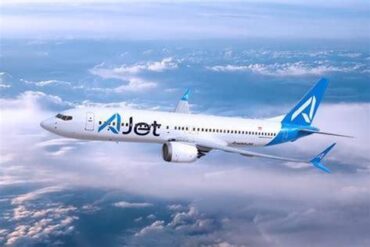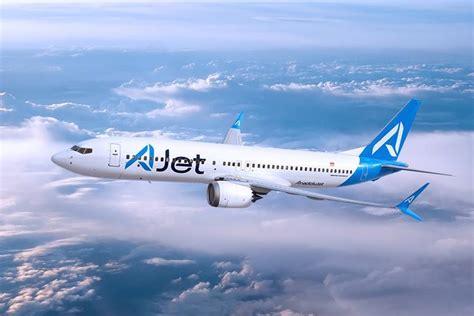
Turkish Airlines’ low-cost subsidiary AJet has taken a major step in modernizing its fleet and sharpening its competitive edge by entering into a high-impact leasing agreement with SMBC Aviation Capital for five state-of-the-art Airbus A320neo aircraft. This strategic move, announced in July 2025, not only reinforces AJet’s commitment to sustainability and operational excellence, but also deepens its long-standing partnership with one of the world’s premier aircraft leasing firms.
A Strategic Leap in Fleet Modernization
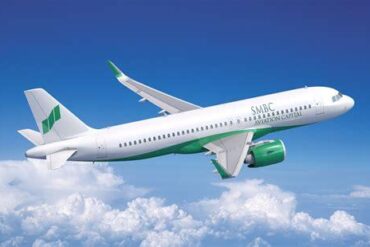
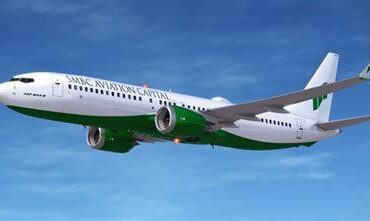
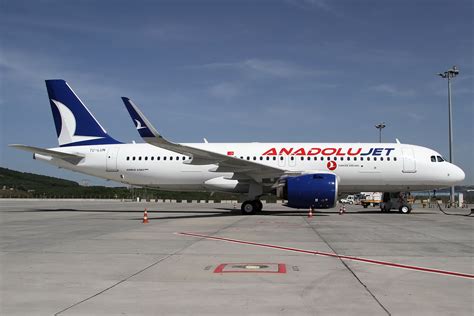
AJet’s decision to lease five new Airbus A320neo aircraft marks a calculated shift towards a more fuel-efficient, environmentally responsible, and passenger-friendly future. The aircraft are scheduled for delivery between Q4 2025 and Q2 2026, and will serve as key assets in AJet’s drive to strengthen its position in the ultra-competitive low-cost carrier (LCC) market.
These aircraft, built with advanced aerodynamics and new-generation engines, represent a significant leap in aviation technology. With 15–20% improved fuel efficiency compared to older models and a sizable reduction in CO₂ and NOx emissions, the A320neo is rapidly becoming the aircraft of choice for LCCs seeking to optimize both environmental and economic performance.
Reinforcing a Long-Standing Partnership
This lease transaction further strengthens the collaboration between SMBC Aviation Capital and Turkish Airlines Group, which has already seen 25 aircraft deployed across Turkish Airlines and AJet since 2022. The continuity of this relationship reflects mutual trust, shared strategic goals, and an aligned vision for future-proofed aviation operations.
For SMBC Aviation Capital, this deal is part of a broader strategy to align its leasing portfolio with the demands of a greener future. As one of the world’s leading aircraft lessors, SMBC Aviation Capital has played an essential role in enabling airlines to scale capacity without the burden of direct aircraft ownership, while also supporting sustainable aviation practices.
Driving Efficiency and Market Penetration
The lease of the A320neo fleet allows AJet to improve its cost structure, increase route flexibility, and boost overall fleet performance. As fuel remains one of the largest operating costs for airlines, the highly efficient A320neo gives AJet a decisive edge in maintaining low fares without sacrificing profitability.
This added capacity will also enable AJet to expand its network, particularly in underserved regional and secondary city pairs where cost-sensitive passengers are driving new demand. The enhanced range and reliability of the A320neo open new possibilities for medium-haul and dense short-haul operations with lower per-seat operating costs.
An Environmental Step Forward
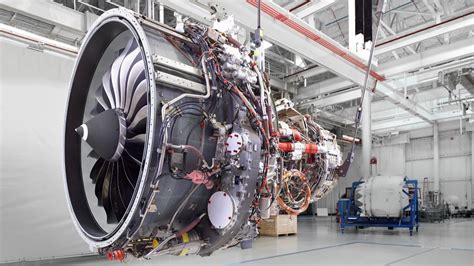
The deployment of these aircraft aligns perfectly with Turkish Airlines Group’s ambitious sustainability roadmap. The Airbus A320neo is lauded for its eco-efficiency, offering not just lower fuel burn but also a significant reduction in noise pollution and carbon emissions, thanks to its LEAP-1A engines and advanced materials.
For AJet, these features are crucial as it commits to shrinking its carbon footprint while supporting global calls for greener aviation. With aviation emissions increasingly under regulatory and consumer scrutiny, fleet decisions like this reflect a forward-looking business strategy built on responsible growth.
Positioning AJet as a Low-Cost Market Leader
With this latest deal, AJet is reinforcing its ambition to become a leading player in the low-cost airline sector — not just regionally, but globally. By incorporating the A320neo into its fleet, AJet will enhance its passenger experience with quieter cabins, more comfortable seating configurations, and reduced delays stemming from aircraft maintenance or inefficiencies.
The airline’s business strategy is clear: build a lean, efficient, and scalable model that delivers value through volume and operational precision. As market dynamics shift towards more price-conscious travelers, AJet’s fleet expansion gives it the tools to respond nimbly to fluctuating demand while keeping its cost per available seat mile (CASM) at industry-leading levels.
SMBC Aviation Capital’s Role in Industry Transformation
SMBC Aviation Capital’s involvement in this deal underscores its pivotal position in global aviation. Known for its robust portfolio of over 720 owned, managed, and committed aircraft, SMBC is helping drive a transformation in fleet strategy across both legacy and low-cost carriers.
By consistently delivering modern, fuel-efficient aircraft to its airline partners, SMBC Aviation Capital empowers them to remain agile and competitive in an industry where efficiency and sustainability now outweigh mere size. Its collaboration with AJet is not just transactional — it’s a strategic enabler of the airline’s broader mission to elevate low-cost travel.

The A320neo: Performance Engineered for the Future
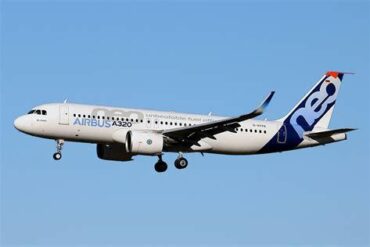
At the heart of this transformative lease deal is the Airbus A320neo — a jet that has redefined expectations for single-aisle commercial aviation. With features like Sharklet wing-tips, advanced noise-reduction technology, and new-generation engines, the A320neo delivers an estimated 20% fuel savings and reduces noise footprint by nearly 50%.
Its cabin is designed for efficiency and comfort, accommodating up to 194 passengers in an all-economy configuration or providing mixed-class flexibility, depending on airline needs. For AJet, this means the ability to offer competitive fares while still ensuring customer satisfaction and on-time performance.
Enabling Scalable and Sustainable Growth
This lease is not an isolated investment. It’s a deliberate component of AJet’s larger growth roadmap — one that involves scaling responsibly, meeting international standards, and aligning with ESG (Environmental, Social, Governance) commitments. By 2026, with the full integration of these A320neo aircraft, AJet will possess a younger, leaner fleet that is both cost-effective and environmentally responsible.
The timing is strategic as well. The global aviation industry is steadily rebounding from the economic effects of the pandemic, with demand for budget-friendly air travel outpacing premium segments in many markets. AJet’s investment ensures that it is well-equipped to capture demand surges, particularly in emerging tourist corridors and regional hotspots.
Future of AJet and Turkish Airlines Group
Looking forward, this lease deal is emblematic of the future trajectory for both AJet and the wider Turkish Airlines group. As the national flag carrier pursues global dominance, its low-cost arm plays a critical complementary role by covering price-sensitive segments and enabling wider market coverage.
Continued cooperation with lessors like SMBC Aviation Capital will be vital as both parties respond to rapid shifts in consumer expectations, regulatory pressures, and technological innovation. The focus on flexibility, digitalization, and sustainability will determine who thrives in the next decade of air travel — and AJet is positioning itself accordingly.
Conclusion: A Defining Moment in Aviation Strategy
The leasing of five Airbus A320neo aircraft by AJet from SMBC Aviation Capital is far more than a routine fleet expansion — it’s a strategic realignment of operational priorities, a bold statement of sustainability intent, and a defining move in the global low-cost carrier landscape. In an industry where timing, technology, and partnerships determine success, this agreement highlights how innovation-driven leasing is becoming central to airline growth.
As AJet prepares to welcome these aircraft into its fleet by 2026, the airline stands as a symbol of a new kind of low-cost carrier — one that’s nimble, environmentally conscious, and ready for the future of air travel.