In the evolving private aviation industry, leasing has emerged as a strategic alternative to full ownership or traditional charter services. Whether an individual seeks the freedom of bespoke travel or a charter company intends to scale its operations, understanding the differences between wet leases and dry leases is essential. These two primary leasing structures diverge significantly in terms of operational control, regulatory oversight, and financial obligations.
While ownership of an aircraft entails full accountability for crew, maintenance, and insurance, leasing allows parties to enjoy the benefits of aircraft access without shouldering the burden of asset management. But choosing the wrong lease type—or misunderstanding its structure—can lead to compliance violations, elevated costs, or suboptimal service experiences.

What Is a Wet Lease?
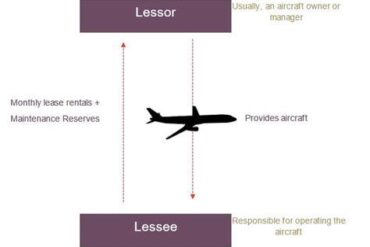
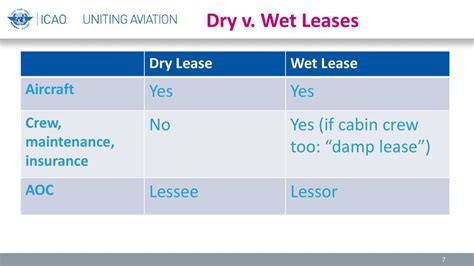
A wet lease refers to an arrangement where the lessor provides not only the aircraft but also at least one crew member, in addition to handling maintenance and insurance. This full-service model shifts much of the responsibility to the lessor, allowing the lessee to focus solely on usage and mission objectives.
Under this structure, the lessee pays per flight hour or by the number of flights. However, costs related to fuel, airport handling, landing fees, and applicable taxes remain the lessee’s responsibility. Wet leases often operate on a defined schedule, ranging from a few months to over a year, with clear start and end dates documented in the lease agreement.
Wet leases are often favored by:
- Certified air carriers seeking to test new routes
- Charter companies addressing seasonal demand spikes
- Operators needing access to aircraft in jurisdictions where they lack legal operating authority
From a compliance standpoint, the lessor must submit a written lease or memorandum to the FAA’s Flight Standards District Office (FSDO). The FAA closely monitors such agreements under its Dynamic Regulatory System (DRS) to ensure that operational and safety standards are upheld.

Characteristics of a Wet Lease
A wet lease must include the following elements:
- Provision of at least one crew member by the lessor
- Aircraft identified by a unique serial number or tail number
- Maintenance, crew training, and insurance handled by the lessor
- Operational control legally retained by the lessor
This arrangement significantly lowers the barrier to entry for lessees, especially those lacking infrastructure or operational certifications. However, it does so at a premium cost, reflecting the added services and operational assurance.
What Is a Dry Lease?
Conversely, a dry lease provides the lessee with only the aircraft, excluding all operational services. The lessee must supply its own crew, handle maintenance, and obtain the required insurance coverage. While more affordable, dry leases require the lessee to meet regulatory standards and assume full operational control of the aircraft.
This lease type is well-suited for:
- Charter operators with internal infrastructure
- Corporate flight departments with established crews
- Private owners looking to avoid high monthly wet lease rates
Under FAA rules, a dry lease does not require a charter certificate unless the aircraft is being used to transport people or cargo for compensation. However, the lessee must demonstrate clear operational control and take full legal and financial responsibility.
Key Characteristics of a Dry Lease
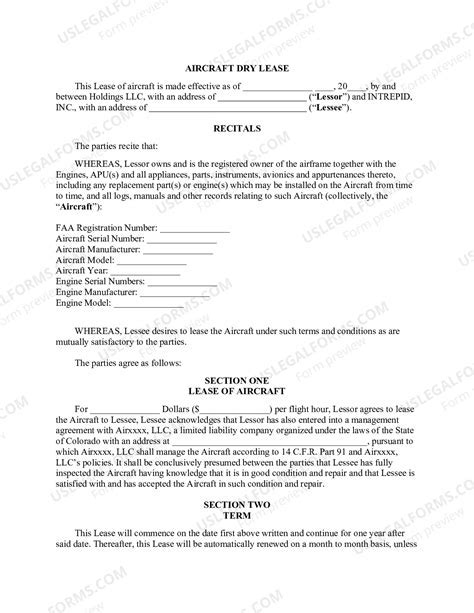
- Aircraft is delivered without crew, insurance, or maintenance
- Lessee takes on all regulatory and operational responsibility
- Full operational control is transferred to the lessee
- More flexible and often lower cost than wet lease structures
- Can be short- or long-term, often tailored to business needs
Dry leases offer strategic control but come with greater exposure to liability, particularly if the lessee lacks the necessary aviation management infrastructure.
Wet Lease vs Dry Lease: Direct Comparison
While both leasing structures offer distinct advantages, the choice between a wet lease and dry lease depends on the lessee’s objectives, capabilities, and risk tolerance. Here’s a concise comparison:
Wet Lease Advantages:
- Turnkey service: aircraft, crew, insurance, and maintenance included
- Reduced regulatory burden on the lessee
- Ideal for short-term needs or international operations
Wet Lease Disadvantages:
- Higher costs due to service inclusions
- Less operational flexibility
- Lessee has limited control over customer service and crew behavior
Dry Lease Advantages:
- Cost-effective for experienced operators
- Greater autonomy over operations
- Facilitates branding and service customization
Dry Lease Disadvantages:
- High regulatory compliance burden
- Responsibility for staffing, safety, and maintenance
- Increased risk without adequate support systems
FAA Oversight and Regulatory Requirements
The Federal Aviation Administration (FAA) enforces strict oversight over leasing structures, particularly wet leases, due to the complexity of shared responsibilities and safety implications. All leases must outline:
- Lease type (wet, dry, or leaseback)
- Duration of lease
- Pricing and payment terms
- Operational control assignment
- Maintenance obligations
For wet leases, the FAA requires a copy of the lease or memorandum to be submitted for inspection. Inspectors may ask key questions to verify who retains operational control, including:
- Who hires and schedules the crew?
- Who pays for fuel and arranges maintenance?
- Who has the authority to cancel or initiate flights?
Dry lease agreements, although more private, are not exempt from scrutiny. The FAA assesses whether the lease is genuinely “dry” or if hidden services suggest a disguised wet lease, which would be a violation of Title 14 CFR regulations.
Operational Control: A Defining Legal Principle
One of the most critical elements of any aircraft lease agreement is operational control. Defined as the authority to initiate, conduct, and terminate a flight, operational control determines legal accountability in the event of an incident or inspection.
- In a wet lease, operational control rests with the lessor, as the crew and key services are provided under its management.
- In a dry lease, operational control is entirely with the lessee, who must operate under relevant FAA guidelines and demonstrate full flight authority.
Failure to correctly assign or adhere to operational control can result in FAA violations, fines, and potential legal liabilities.
Consequences of Regulatory Violations
Improperly structured or misrepresented lease agreements carry significant consequences. Examples of violations include:
- A dry lease that illegally includes crew or maintenance services
- A wet lease that avoids insurance coverage to reduce costs
- Misrepresentation of operational control in official documentation
The FAA may impose heavy financial penalties, revoke certifications, and launch investigations into operator misconduct. Beyond legal ramifications, companies involved in such practices risk severe reputational damage, loss of clientele, and exclusion from critical markets.
Aircraft Leaseback Agreements: A Financial Strategy
In addition to wet and dry leasing, a leaseback agreement—often called a sale-leaseback—presents a strategic option. In this model, an aircraft owner sells the aircraft to a leasing company and then leases it back for continued use.
This approach is ideal for:
- Flight schools needing long-term aircraft access with reduced financial exposure
- Charter services requiring capital liquidity while retaining operational capability
- Fixed Base Operators (FBOs) managing complex flight schedules and budgets
Advantages include:
- Access to immediate capital and reduced debt
- Retained aircraft availability
- Better balance sheet optics for corporate planning

FAQ
What is the primary difference between a wet lease and a dry lease?
A wet lease includes the aircraft, crew, maintenance, and insurance, whereas a dry lease provides only the aircraft, leaving the lessee responsible for all operational elements including staffing, compliance, and insurance.
Do I need FAA approval for a private jet lease?
While not all leases require pre-approval, the FAA mandates that wet leases be reported through documentation. The FAA also reviews dry leases to ensure there is no concealed provision of services that would legally qualify them as wet leases.
Who holds operational control in a leasing agreement?
In a wet lease, the lessor retains operational control due to its responsibility for the crew and aircraft management. In a dry lease, the lessee assumes full operational control, making them legally and operationally accountable.