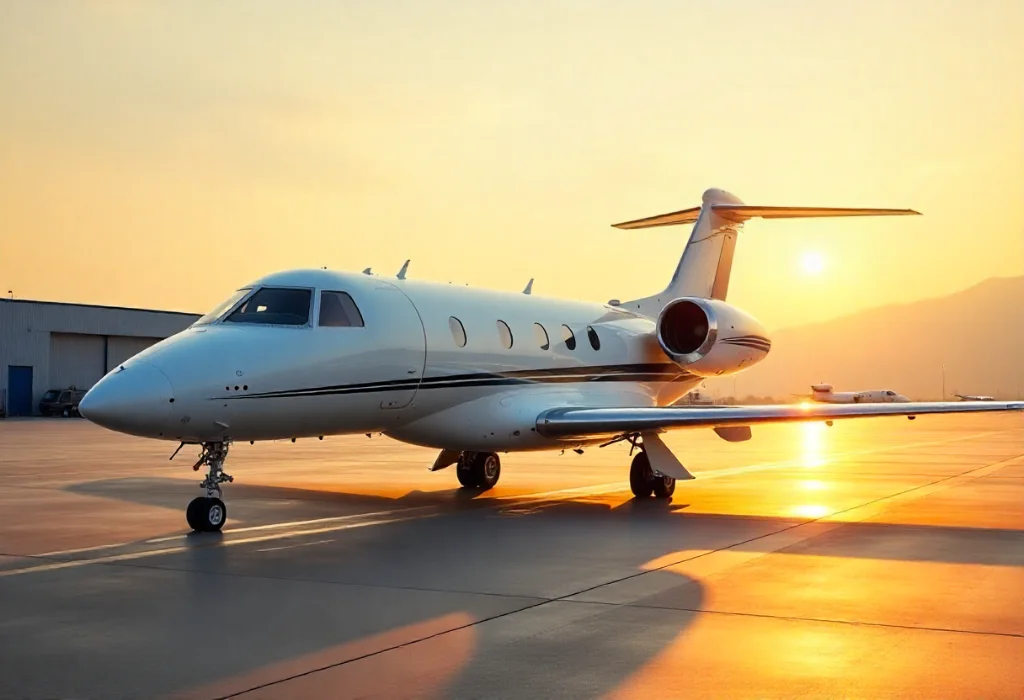
The allure of private jets has never been stronger. Once a privilege reserved only for royalty, billionaires, and heads of state, private aviation has expanded rapidly in the last two decades. Between 2000 and 2022, the global private jet fleet more than doubled, from just over 10,000 to more than 23,000 aircraft. In 2024, the world recorded 3.6 million business jet flights, representing a 30% increase compared to 2019. This trend highlights a growing appetite for exclusivity, flexibility, and speed in air travel. Companies such as NetJets, VistaJet, and Flexjet have aggressively expanded their services, introducing sustainability-driven models, shared ownership, and tailored leasing solutions.
But while the promise of freedom and luxury is enticing, the decision to own or lease a private jet involves substantial trade-offs. From unmatched privacy and convenience to high financial and environmental costs, this article provides a detailed breakdown of the pros and cons of private jet ownership versus leasing.
The Benefits of Private Jet Ownership
Unparalleled Privacy and Confidentiality
One of the strongest advantages of owning a private jet is privacy. Unlike commercial airlines, where seating is shared with strangers, private aviation ensures you control exactly who boards the aircraft. This is particularly valuable for business executives, celebrities, and political leaders who require confidentiality in meetings or simply wish to travel discreetly.

Customized Comfort and Interiors
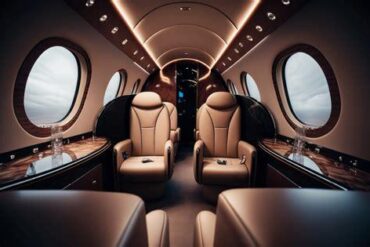
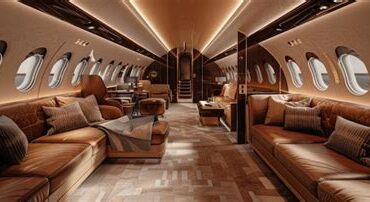
Beyond privacy, ownership allows for personalized cabin design. Owners can tailor interiors with bespoke seating arrangements, luxury lighting, entertainment systems, and state-of-the-art Wi-Fi. For ultra-high-net-worth individuals, cabins may even include full bedrooms, dining areas, and showers. Unlike first-class or business class on commercial airlines, which remain standardized, private jets allow complete customization to reflect personal taste and corporate branding.
Flexibility in Travel Schedules
Owning a private jet provides unmatched flexibility in scheduling. Flights can be arranged on short notice, rerouted mid-journey, or diverted to smaller regional airports closer to final destinations. Business travelers save critical hours otherwise lost to layovers and congested hubs. For families, the convenience of avoiding large terminals and security lines transforms the entire travel experience.
Faster Point-to-Point Travel
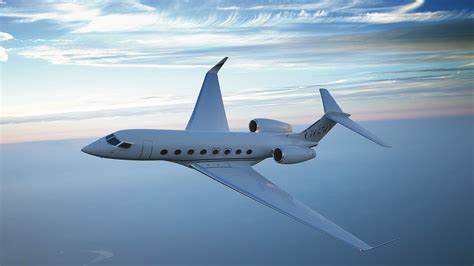
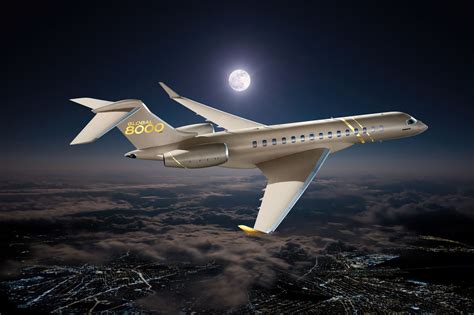
Most private jets cruise at Mach 0.78–0.81, translating to 515–621 mph, which is often faster than large commercial aircraft. Advanced models like the Gulfstream G650 reach Mach 0.925 (710 mph), while the Bombardier Global 8000, currently undergoing testing, has briefly surpassed Mach 1.0, breaking the sound barrier. These performance gains result in shorter flight times and more efficient connections between continents.
The Financial Burden of Ownership
Acquisition Costs
Ownership is accompanied by substantial capital investment. Prices vary by aircraft size and capability:
- Very Light Jets (e.g., HondaJet Elite) cost around $5.5 million.
- Mid-size jets fall in the $10–$20 million range.
- Long-range jets like the Bombardier Global 5000 or Gulfstream models range between $35–$60 million.
- The most luxurious aircraft, such as converted Boeing or Airbus models, can exceed $400 million.
Operating Expenses
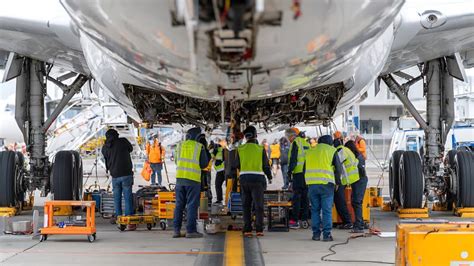
Acquisition is just the beginning. Annual operating costs range from $500,000 to $1 million, covering maintenance, repairs, insurance, fuel, crew salaries, and hangar rental. Unlike commercial airlines, owners shoulder full responsibility for asset management, requiring dedicated aviation consultants or management companies to handle logistics.
Depreciation Risks
Jets depreciate quickly. On average:
- Smaller business jets lose 23–25% of value in five years.
- Large or long-range jets may lose up to 26%.
Resale values are influenced by aircraft age, flight hours, cycles, and onboard technology. Models like the Gulfstream G650 hold value better thanks to strong demand and performance, but depreciation is unavoidable.
| Jet Type | Acquisition Cost (USD) | Annual Operating Cost (USD) | 5-Year Depreciation | Example Models |
|---|---|---|---|---|
| Very Light Jet | $4–6 million | $500k+ | 23–25% | HondaJet Elite, Embraer Phenom 100 |
| Mid-Size Jet | $10–20 million | $700k–900k | 24% | Cessna Citation XLS+, Hawker 900XP |
| Large / Long-Range | $35–60 million | $1 million+ | 25–26% | Bombardier Global 5000, Gulfstream G650 |
| Converted Airliner | $100–400 million+ | $3–5 million+ | 20–25% | Boeing BBJ, Airbus ACJ series |
Leasing as an Alternative
Types of Leasing
For those unwilling to commit to ownership, leasing offers flexibility:
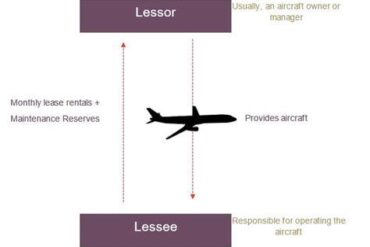
- Dry Lease: Renting the aircraft without crew, typically for long-term corporate use.
- Wet Lease: Renting both aircraft and crew, often for short-term operational needs.
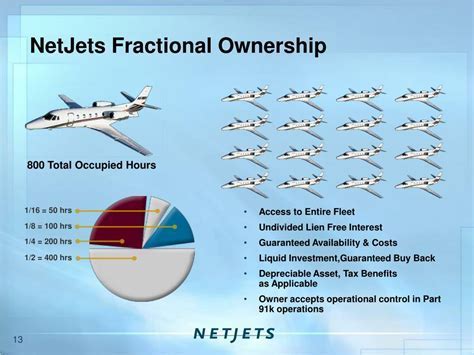
- Fractional Ownership: Programs like NetJets allow clients to purchase “shares” of an aircraft, entitling them to a fixed number of flight hours per year.
Advantages of Leasing
Leasing avoids heavy upfront investment and reduces the burden of depreciation. Operational costs remain but are generally lower and more predictable. Leasing also allows frequent travelers to enjoy access to modern aircraft without long-term asset risk.
Drawbacks of Leasing
On the downside, leasing limits customization. A leased jet cannot be personalized to the same extent as an owned aircraft. Availability can also be restricted during peak seasons, and costs per flight hour may exceed those of ownership if usage is extremely high.
Environmental Concerns and Public Perception
Carbon Emissions
Private jets emit up to 20 times more CO₂ per passenger compared to commercial flights. For image-conscious executives and sustainability-minded organizations, this poses significant reputational risks. Advocacy groups increasingly target private aviation as wasteful and environmentally harmful.
Mitigation Strategies
To offset criticism, many owners adopt sustainable aviation fuel (SAF) or carbon offset programs. Companies like VistaJet have committed to carbon neutrality by 2025, though widespread adoption of SAF remains limited by availability and cost.
Social Responsibility
In an era of heightened climate awareness, flying private can be perceived as excessive. For corporations, reliance on private jets may conflict with broader ESG (Environmental, Social, and Governance) commitments.
Long-Term Value Considerations
Ownership suits individuals or corporations flying 400+ hours per year, where savings on charter fees outweigh acquisition and operating costs. Leasing or fractional programs work better for travelers flying fewer hours, providing access without long-term commitment. For occasional flyers, commercial first class may remain the most efficient choice.
Conclusion
The decision between owning and leasing a private jet ultimately depends on usage, financial capability, and corporate or personal priorities. Ownership offers total privacy, flexibility, and prestige but carries immense costs, depreciation, and environmental concerns. Leasing mitigates financial exposure while still providing luxury access, though with fewer customization options and potential availability limits.
For some, the status symbol of owning a jet outweighs the drawbacks. For others, leasing or fractional ownership strikes a more balanced path. In either case, private aviation remains a powerful tool, reshaping how high-net-worth individuals and corporations navigate the skies.
FAQ
Is it better to own or lease a private jet?
It depends on usage. If you fly more than 400–500 hours annually, ownership may be cost-effective. If you fly fewer hours, leasing or fractional ownership is usually more practical and financially efficient.
How much does it cost to maintain a private jet?
Annual maintenance and operating expenses typically range from $500,000 to $1 million, depending on aircraft type. Costs include crew salaries, hangar rental, insurance, routine inspections, and fuel.
Do private jets hold their value?
Most jets depreciate quickly, losing 20–26% of value in the first five years. However, high-demand models like the Gulfstream G650 retain value better than older or less advanced jets.