Aircraft leasing has become an essential component of modern aviation, providing airlines with the flexibility to manage fleet operations in real time. Among the most dynamic and responsive forms of aircraft leasing is ACMI leasing, a contractual agreement in which an airline (the lessor) provides another airline (the lessee) with an Aircraft, Crew, Maintenance, and Insurance (ACMI) on a pay-per-use basis. This arrangement is also commonly referred to as wet leasing and is a vital tool for airlines navigating market volatility, unexpected disruptions, and seasonal demand spikes.
Understanding the ACMI Leasing Model
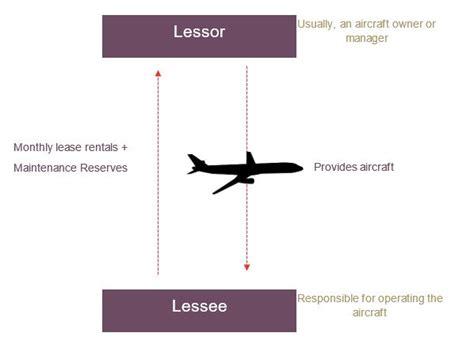
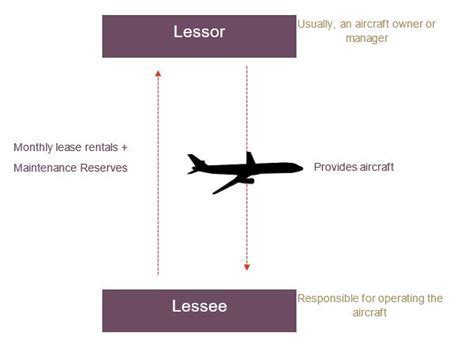
The ACMI lease structure is distinctive because it shifts operational burdens from the lessee to the lessor. The lessor provides a ready-to-fly aircraft with a qualified crew, performs all necessary maintenance, and insures the aircraft. The lessee, on the other hand, handles fuel costs, airport fees, ground services, and route-specific permits. Payment is usually based on block hours, making it a scalable, pay-as-you-fly solution for airlines needing short-term or flexible capacity.

This structure differs fundamentally from dry leasing, where only the aircraft is leased without crew or services, and the lessee bears full operational responsibility. ACMI leasing can begin operations within days, making it ideal for urgent needs.
When Airlines Use ACMI Leasing
Airlines face evolving operational challenges that demand swift and flexible solutions. ACMI leasing is deployed across a wide array of scenarios, offering operational continuity, risk management, and cost control.
1. Emergency Cover and Unforeseen Disruptions
Airlines occasionally encounter unexpected events, such as aircraft-on-ground (AOG) incidents due to technical faults, unplanned maintenance, or sudden crew shortages. In such cases, ACMI leasing enables airlines to maintain service levels without flight cancellations. A fully operational aircraft with trained crew is delivered, ensuring that passengers are minimally impacted.
2. Planned Maintenance or Delivery Delays
Even scheduled aircraft maintenance can sideline fleet capacity for weeks or months. Simultaneously, manufacturers are grappling with massive production backlogs, causing delivery delays for new aircraft. Airlines leverage ACMI leasing to bridge these gaps without altering schedules or sacrificing revenue.
3. Seasonal Demand Surges and New Route Testing
Peak travel seasons – such as summer holidays or major pilgrimage periods – create temporary demand spikes. Rather than investing in aircraft that may sit idle off-season, carriers deploy ACMI leases to supplement capacity precisely when needed. Similarly, airlines testing new routes can lease ACMI aircraft to evaluate demand without committing to long-term capital expenditure.
Benefits of ACMI Leasing to the Lessee
For the airline leasing the aircraft, ACMI arrangements offer a powerful combination of agility, reduced risk, and capital efficiency.
- Instant Capacity Injection: ACMI leases can be arranged quickly, often within days, enabling airlines to respond to sudden demand or disruptions.
- Low Upfront Investment: There’s no need for long-term financial commitments or complex ownership costs.
- Minimal Risk Exposure: Since the lessor handles insurance and crew, the lessee avoids liabilities tied to crew management and maintenance errors.
- Operational Continuity: Service interruptions due to unforeseen faults or AOG events are minimized.
- Market Entry Trials: Airlines exploring new regions can enter unfamiliar markets with a leased aircraft rather than investing millions in permanent fleet expansion.
In summary, ACMI leasing allows airlines to scale up or down with precision, avoid heavy capital investments, and mitigate operational disruptions.
Advantages of ACMI Leasing for the Lessor
For the airline or operator providing the ACMI service, wet leasing creates valuable opportunities to maximize fleet utilization, optimize seasonal deployment, and reduce financial exposure.
- Revenue Optimization During Low Seasons: Aircraft that would otherwise be idle during off-peak months can be leased to airlines in counter-seasonal regions.
- Consistent Income Stream: Leasing income is based on block hours and not tied to passenger revenue, offering stability.
- Reduced Compensation Risk: ACMI lessors are generally not responsible for delays or cancellations, avoiding liability under EU Regulation 261/2004.
- Operational Efficiency: Leased aircraft are flying more frequently, lowering per-hour operating costs and increasing return on investment.
Damp Leasing: A Variation for Custom Operations
Damp leasing is a subcategory of wet leasing in which the lessee provides their own cabin crew, while the lessor supplies the aircraft, flight crew, maintenance, and insurance. This setup is ideal for airlines that already have qualified in-cabin personnel but require aircraft and technical flight operations support. By eliminating the need to lease cabin crew, damp leasing further reduces cost while maintaining ACMI’s operational benefits.
This form of lease is highly customizable and typically used by mature operators with partial internal capabilities who seek to trim costs or maintain brand presence through familiar in-flight services delivered by their own staff.
Strategic Value of ACMI in Airline Business Models
ACMI leasing is more than an emergency solution—it’s a core element of airline strategy for capacity management. In a post-pandemic world with rising passenger numbers, yet ongoing fleet supply challenges, ACMI offers an ideal hedge against market uncertainty. Airlines that rely on demand-driven fleet adjustments find that ACMI keeps operations nimble, competitive, and insulated from long-term financial obligations.
Moreover, low-cost carriers (LCCs) and start-ups often rely on ACMI arrangements during launch phases to demonstrate performance before investing in aircraft. By outsourcing flight operations initially, they conserve capital and build commercial track records.
Global Accessibility and 24/7 Deployability
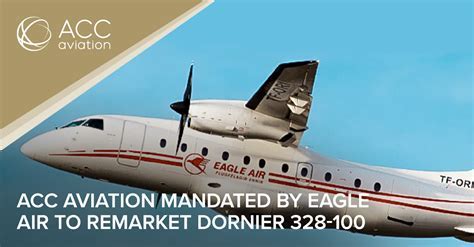
ACMI leasing providers operate globally, with some offering 24/7 deployment of aircraft from large, strategically located fleets. This ensures that aircraft can be sourced and positioned across continents within a short timeframe. Providers like ACC Aviation maintain worldwide access to wet-leased aircraft, managing thousands of block hours annually for airline clients in need of immediate or extended capacity.
This global reach is essential during emergency responses or high-stakes events such as sports tournaments, pilgrimages, or national holidays. Such scalability sets ACMI leasing apart as a mission-critical logistics function within aviation.
Financial and Regulatory Considerations
Financially, ACMI leasing can offer predictable cost structures. Since payments are per block hour, airlines know precisely what they’re paying for flying time. That clarity allows easier budget forecasting compared to the revenue variability tied to passenger ticket sales.
Regulatory advantages also matter. ACMI lessors generally retain regulatory authority over flight crew, maintenance, and airworthiness. This means the burden of compliance is shifted from the lessee to the lessor, who is often better equipped to meet these obligations efficiently.
The Future of ACMI Leasing in Commercial Aviation
As the aviation industry faces mounting complexity—environmental mandates, fluctuating oil prices, and geopolitical instability—flexibility is currency. ACMI leasing delivers this flexibility at a structural level, enabling global airline networks to expand, contract, or shift operations in response to real-time market signals.
With trends showing increasing preference for fleet-light strategies and network partnerships, ACMI leasing is poised to expand. Aircraft lessors and brokers are already building digital platforms to optimize wet lease matchmaking, while airlines are increasingly viewing ACMI as a standard operating tool rather than a fallback option.
Conclusion
ACMI leasing—or wet leasing—is no longer just a tactical response to operational emergencies. It is a strategic enabler that helps airlines match demand, reduce risk, maintain service continuity, and enter new markets without long-term commitment. For lessors, it offers a high-efficiency revenue model that maximizes aircraft utilization year-round. As airlines confront continued uncertainty and changing demand curves, ACMI will remain a vital lever for maintaining resilience and competitiveness in commercial aviation.