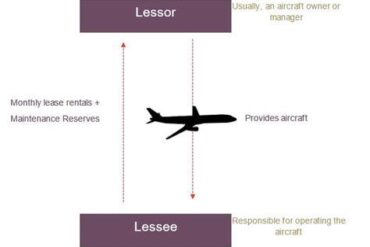
The global ACMI (Aircraft, Crew, Maintenance, and Insurance) industry has evolved into one of commercial aviation’s most strategically important sectors. As airlines continue dealing with fluctuating travel demand, aircraft delivery delays, maintenance shortages, and operational disruptions, the need for reliable wet-lease capacity has grown significantly. In this environment, operators that can provide dependable long-haul aircraft at short notice have become valuable partners rather than simple service providers.
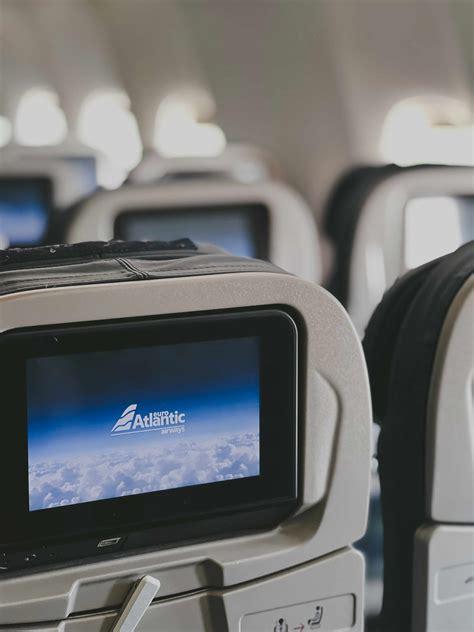
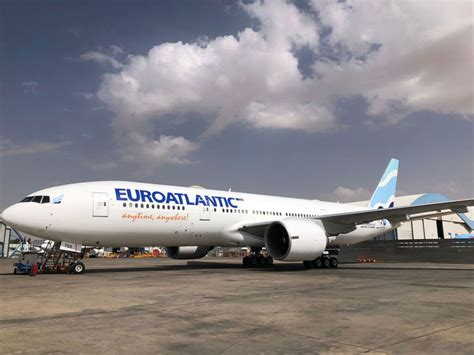
Among the companies positioning themselves for this changing landscape is euroAtlantic Airways, the Portuguese carrier that has spent decades specializing in long-haul charter and ACMI operations. Instead of pursuing aggressive expansion through sheer fleet size, the airline is focusing on flexibility, operational reliability, and a carefully balanced fleet strategy.
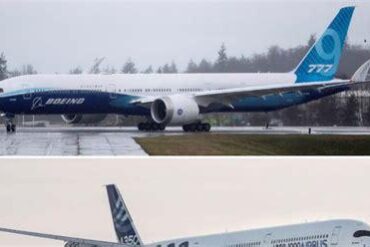
Unlike many airlines that increasingly standardize around a single manufacturer, euroAtlantic is embracing a dual-fleet philosophy built around both Boeing and Airbus aircraft. That decision may appear more complex from an operational standpoint, but it also opens opportunities that many competitors simply cannot offer. As the ACMI market becomes increasingly specialized, fleet diversity may prove to be one of the airline’s greatest competitive strengths.
Rather than chasing rapid growth, euroAtlantic appears to be building a business designed to adapt to changing customer requirements while remaining resilient during industry-wide uncertainty.
Understanding Why the ACMI Market Continues to Expand
The traditional airline business revolves around selling tickets directly to passengers. ACMI operators serve an entirely different customer base. Their clients are airlines, governments, corporations, sports teams, humanitarian organizations, and tour operators requiring temporary or long-term aircraft capacity.
When an airline unexpectedly grounds aircraft because of maintenance issues, delays new deliveries, launches seasonal routes, or experiences unexpected passenger demand, purchasing new aircraft is rarely the fastest solution. Leasing an aircraft together with experienced flight crews, maintenance support, and insurance often becomes the most practical option.
This business model has become increasingly valuable over the past decade. Supply chain disruptions affecting aircraft manufacturers, shortages of spare parts, extended maintenance turnaround times, and global engine reliability challenges have collectively reduced fleet availability across the industry. Airlines now seek partners capable of deploying aircraft quickly without compromising operational standards.
For long-haul operators, these challenges are amplified because widebody aircraft represent substantial investments, require highly specialized crews, and involve complex maintenance programs. Few companies possess the expertise to operate such aircraft efficiently for multiple customers worldwide.
That is precisely where euroAtlantic has established its niche.
Instead of competing directly with passenger airlines, the company provides operational capacity that allows its customers to maintain schedules, protect revenue, and preserve passenger confidence during periods of disruption.
Why Widebody Expertise Matters More Than Ever
Operating widebody aircraft differs significantly from flying narrowbody fleets. Long-haul missions demand sophisticated planning, international regulatory compliance, multiple crew rotations, specialized maintenance capabilities, and operational coordination across continents.
Many ACMI providers concentrate primarily on aircraft like the Airbus A320 or Boeing 737, serving regional and medium-haul markets. Widebody specialists remain comparatively rare because the operational complexity is substantially greater.
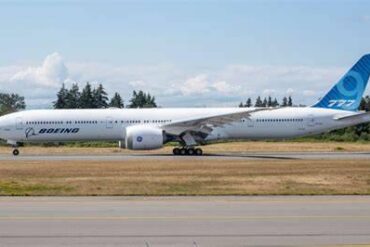
Aircraft such as the Boeing 767, Boeing 777, and Airbus A330 can transport hundreds of passengers across intercontinental distances while carrying significant cargo volumes. These aircraft allow customers to cover long-haul routes without permanently committing expensive assets to their own fleets.
For airlines experiencing temporary shortages, replacing a grounded widebody with another aircraft of similar capability is often the only realistic solution. Having access to an experienced ACMI partner reduces disruption while preserving valuable route networks.
This specialization gives euroAtlantic a distinct market position. Rather than competing solely on price, it competes through operational capability, international experience, and the ability to integrate smoothly into another airline’s operations.
Fleet Strategy Is About More Than Aircraft Numbers
Fleet planning represents one of the most important strategic decisions any airline can make. Every aircraft type influences maintenance costs, crew training, spare parts inventories, airport compatibility, scheduling flexibility, fuel consumption, and customer expectations.
For ACMI operators, these decisions become even more critical because customer requirements vary considerably.
Some airlines operate predominantly Airbus fleets and naturally prefer replacement aircraft requiring minimal operational adjustments. Others rely heavily on Boeing aircraft and seek compatible aircraft that simplify pilot qualification, maintenance procedures, and flight operations.
Maintaining access to both manufacturers dramatically expands the number of potential customers.
Instead of asking customers to adapt to available aircraft, euroAtlantic can offer solutions that align more closely with existing fleet structures. This flexibility strengthens long-term commercial relationships while increasing the likelihood of securing repeat contracts rather than isolated leasing opportunities.
Although maintaining multiple aircraft families introduces additional complexity, it also creates commercial opportunities unavailable to operators focused exclusively on a single manufacturer.

Why Keeping Both Airbus and Boeing Makes Strategic Sense
Many airlines pursue fleet standardization because it reduces operating costs. Pilots require fewer type ratings, engineers specialize in fewer systems, spare parts inventories become smaller, and scheduling becomes more predictable.
Low-cost carriers have demonstrated the efficiency of this model for decades.
However, the ACMI industry operates under fundamentally different conditions.
Instead of maximizing internal efficiency alone, providers must maximize compatibility with external customers.
An airline operating only Airbus aircraft may hesitate to lease Boeing aircraft because doing so could require additional pilot training, maintenance support, documentation adjustments, or operational approvals. The reverse is equally true for Boeing operators considering Airbus replacements.
By maintaining expertise across both manufacturers, euroAtlantic avoids limiting its addressable market.
This approach transforms fleet diversity from an operational challenge into a commercial advantage.
Customers benefit from greater flexibility, while euroAtlantic gains access to a broader portfolio of leasing opportunities spanning different airlines, regions, and operational requirements.
The strategy also reduces dependence on any single aircraft family. If market demand temporarily shifts toward one manufacturer or particular aircraft type, the airline retains the flexibility to respond without fundamentally restructuring its business.
The Gradual Transition Toward Newer Aircraft
Although legacy aircraft continue serving important roles within many ACMI fleets, the long-term direction of the aviation industry is unmistakable.
New-generation aircraft deliver substantial improvements in fuel efficiency, maintenance reliability, environmental performance, and passenger comfort.
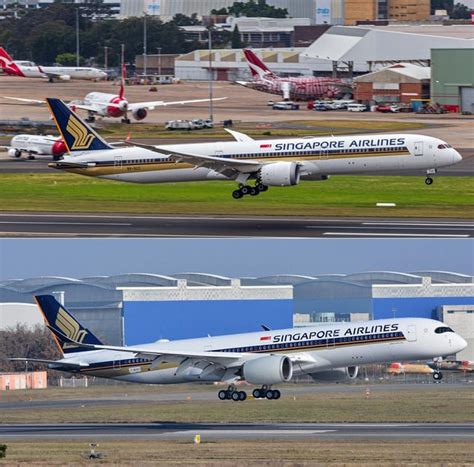
Aircraft including the Boeing 787 Dreamliner and Airbus A350 represent the future of long-haul commercial aviation. Their advanced composite structures, modern engines, sophisticated flight systems, and lower operating costs make them increasingly attractive for airlines seeking long-term efficiency.
However, acquiring such aircraft requires enormous capital investment.
For ACMI operators, timing is critical. Purchasing expensive new aircraft before sufficient customer demand exists can create unnecessary financial pressure. Waiting too long, however, risks falling behind competitors.
A measured transition allows operators to balance current profitability with future competitiveness. Existing aircraft continue generating revenue while newer models gradually enter the fleet as commercial demand and market conditions justify additional investment.
Rather than viewing fleet renewal as a single transformation, successful ACMI providers increasingly approach modernization as a continuous process that balances customer requirements, aircraft availability, financing conditions, and operational readiness.
Leadership Experience Shapes Operational Priorities
An airline’s fleet strategy is only as effective as the leadership responsible for executing it. In the ACMI business, success depends on far more than acquiring aircraft. Operators must consistently deliver safe, reliable, and flexible services while responding to rapidly changing customer needs.
Leadership teams with strong operational backgrounds often approach growth differently from executives focused primarily on finance or commercial expansion. Their priorities tend to emphasize safety, crew readiness, maintenance planning, regulatory compliance, and operational resilience before fleet size.
This philosophy is particularly valuable in the ACMI sector, where customers judge providers on their ability to integrate seamlessly into existing airline operations. Every leased aircraft effectively becomes an extension of another carrier’s network, meaning reliability is just as important as availability.
An operationally driven management approach also encourages careful expansion. Instead of adding aircraft simply to increase market share, successful ACMI providers typically grow only when they can maintain consistent service standards across the fleet.
Reliability Has Become the Most Valuable Product
In commercial aviation, aircraft are often viewed as the primary product. Within ACMI, however, reliability has become equally valuable.
Airlines seeking wet-lease support are frequently dealing with challenging operational situations. Aircraft may be unavailable because of heavy maintenance, engine inspections, delayed deliveries, or unexpected technical issues. Schedules are already under pressure before an ACMI aircraft even enters service.
That means customers expect more than an aircraft arriving on time. They expect experienced flight crews, dependable maintenance support, efficient communication, and minimal disruption throughout the leasing period.
A provider that consistently delivers reliable operations can become a preferred long-term partner, reducing the need for customers to repeatedly search the market for short-term capacity.
This shift has gradually transformed ACMI relationships from purely transactional agreements into strategic partnerships. Airlines increasingly value operators that understand their operational standards, adapt to their procedures, and respond quickly when circumstances change.
Lessons Learned From Industry-Wide Technical Challenges
Recent years have demonstrated how interconnected the aviation industry has become. Engine reliability concerns, supply chain disruptions, shortages of replacement parts, and extended maintenance turnaround times have affected airlines across multiple continents.
These challenges have reinforced several important lessons.
First, operational resilience matters just as much as operational efficiency. Airlines with carefully developed contingency plans have generally adapted more effectively when unexpected disruptions occurred.
Second, fleet diversity can provide an additional layer of flexibility. Operators relying exclusively on a single aircraft type may face greater exposure if technical issues affect that specific fleet. Maintaining multiple aircraft families can sometimes reduce dependence on one particular platform.
Third, collaboration between airlines and ACMI providers has become increasingly important. During periods of widespread disruption, access to reliable leasing partners can help airlines maintain schedules while permanent solutions are implemented.
For ACMI operators, these experiences have highlighted the importance of responsiveness, transparent communication, and operational discipline.
Balancing Operational Complexity With Commercial Opportunity
Managing both Airbus and Boeing aircraft naturally introduces additional complexity.
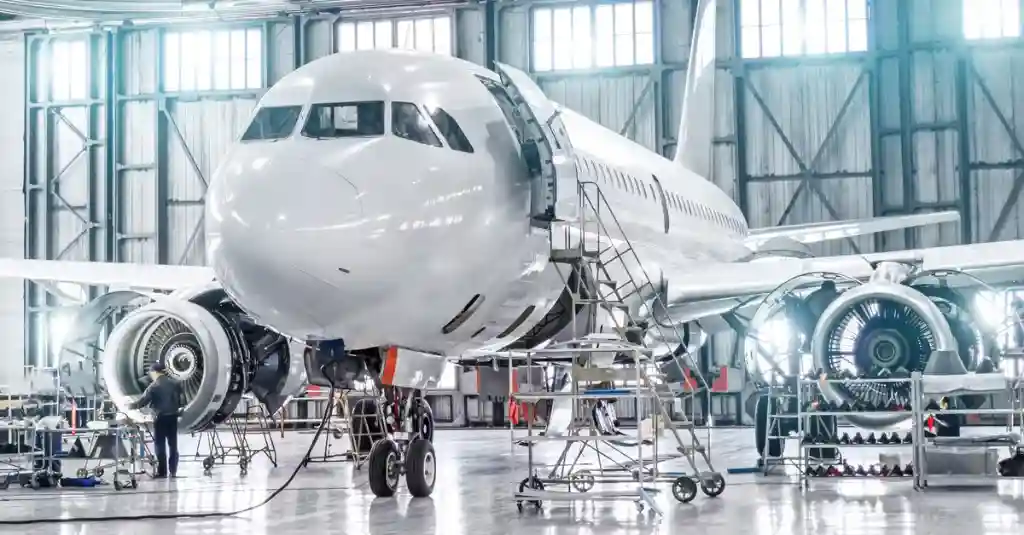
Pilots require separate type ratings, maintenance personnel must develop expertise across different aircraft systems, engineering departments manage broader inventories of spare parts, and technical documentation becomes more extensive.
These factors increase operating costs compared with highly standardized fleets.
However, complexity alone does not determine competitiveness.
If a broader fleet allows an ACMI operator to secure higher-value contracts, serve more customers, and maintain stronger aircraft utilization, the additional costs can be offset by greater commercial flexibility.
This balance between complexity and opportunity defines much of euroAtlantic’s long-term strategy.
Rather than pursuing standardization at all costs, the airline appears focused on maximizing the range of solutions it can offer customers. In an industry where every airline operates a unique combination of routes, fleets, and scheduling requirements, adaptability can be more valuable than absolute simplicity.
Customer-Centric Operations Drive Long-Term Partnerships
Unlike traditional airlines, ACMI operators rarely build relationships with individual travelers. Their reputation is established through airline partnerships that may last for several years.
This changes the definition of customer service.
Success depends on understanding each client’s operational requirements, aircraft configuration preferences, branding expectations, maintenance standards, and scheduling priorities.
Some customers require aircraft for seasonal demand, while others need long-term fleet support during maintenance programs or delayed aircraft deliveries. Government agencies and humanitarian organizations may require rapid deployment to regions facing emergencies, demanding a different level of operational flexibility.
Meeting these varied requirements requires more than aircraft availability. It calls for experienced planning teams capable of customizing solutions without compromising safety or efficiency.
The operators that consistently deliver tailored services often enjoy stronger customer retention and more predictable business growth.
Sustainability Will Influence Future Fleet Decisions
Environmental performance is becoming an increasingly important consideration throughout aviation.
While ACMI operators do not directly control their customers’ route networks, they still influence fuel consumption and carbon emissions through fleet selection.
Modern aircraft offer significant improvements in fuel efficiency compared with previous generations. Lower fuel burn not only reduces operating costs but also helps airlines achieve increasingly ambitious sustainability objectives.
Future investments in aircraft such as the Airbus A350 and Boeing 787 Dreamliner could therefore deliver advantages extending beyond economics. Customers may increasingly prefer leasing aircraft that support environmental targets while maintaining competitive operating costs.
At the same time, airlines continue exploring sustainable aviation fuel, more efficient flight planning, lighter cabin equipment, and advanced digital maintenance systems. ACMI providers capable of integrating these innovations into their operations may strengthen their competitive position over the coming decade.
Competition in the ACMI Sector Is Becoming More Sophisticated
The ACMI market continues to attract new participants, but competition extends beyond simply adding more aircraft.
Airlines increasingly evaluate providers based on operational reliability, regulatory compliance, geographic reach, maintenance capabilities, crew experience, and responsiveness during irregular operations.
Technology is also reshaping customer expectations. Advanced fleet monitoring, predictive maintenance, real-time operational analytics, and digital communication platforms allow providers to improve aircraft availability while delivering greater transparency throughout leasing agreements.
As these capabilities become standard across the industry, airlines will likely place greater emphasis on proven operational performance rather than fleet size alone.
For established operators specializing in widebody aircraft, maintaining a reputation for consistent execution may become one of the strongest competitive differentiators.
A Measured Growth Strategy Could Deliver Lasting Advantages
Rapid expansion can generate impressive headline numbers, but aviation history contains numerous examples of airlines that grew faster than their operational foundations could support.
Aircraft deliveries, pilot recruitment, maintenance infrastructure, regulatory approvals, and financing must all develop in parallel. Weakness in any one area can quickly affect the entire operation.
A measured growth strategy reduces these risks by ensuring that every additional aircraft can be supported with appropriate crews, engineering resources, and customer demand.
For an ACMI operator, this disciplined approach is especially important because customers depend on dependable service during their own periods of operational stress. Reliability cannot be compromised simply to increase fleet size.
Maintaining this balance between expansion and operational excellence may ultimately prove more valuable than pursuing aggressive short-term growth.
The Road Ahead for euroAtlantic Airways
The future of the ACMI industry will be shaped by several powerful trends, including continued aircraft delivery delays, growing demand for operational flexibility, evolving environmental standards, and the introduction of increasingly efficient long-haul aircraft.
Against this backdrop, euroAtlantic Airways appears well positioned by maintaining expertise across both Airbus and Boeing platforms rather than limiting itself to a single manufacturer. While this strategy requires greater operational coordination, it also provides broader access to customers operating diverse fleets across international markets.
As older aircraft gradually give way to new-generation models, the airline has the opportunity to modernize without abandoning the flexibility that has defined its business for decades. The eventual integration of aircraft such as the Boeing 787 Dreamliner or Airbus A350 could further strengthen its position in the premium widebody ACMI segment.
Ultimately, the company’s long-term success will depend less on how many aircraft it operates than on how effectively it combines fleet diversity, operational reliability, customer responsiveness, and disciplined growth. In an aviation industry where uncertainty has become a constant, those qualities may prove to be the strongest competitive advantages of all.