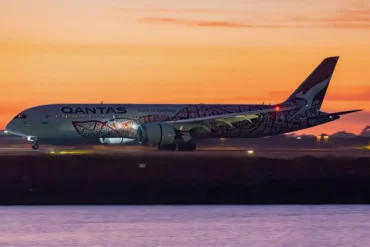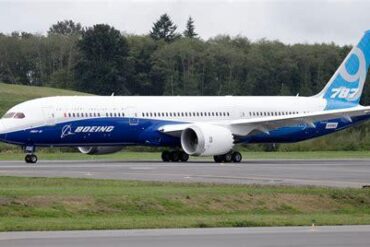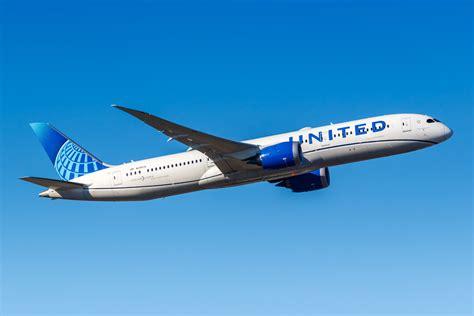
United Airlines is executing one of the most ambitious fleet overhauls in commercial aviation history, and at the core of this transformation lies the Boeing 787-9 Dreamliner. As of late 2025, United has 141 Boeing 787 Dreamliners on order, the largest Dreamliner backlog of any airline worldwide. This massive commitment is no accident—it represents a carefully orchestrated strategy to align fleet modernization, cost efficiency, and network expansion into one synchronized, future-ready operation.
A Strategic Fleet Renewal Built Around the 787-9
United Airlines currently operates one of the most diverse widebody fleets in the world, including Boeing 767s, 777s, and all three 787 variants. However, several of these aircraft—especially the 767-300ERs and early 777-200s—are aging rapidly. United’s 767s average 28.1 years in service, while the 777-200/ER fleet stands at 22.3 years. These legacy aircraft, though reliable, lag behind in both fuel efficiency and passenger experience.
The 787-9 presents an ideal solution. With superior economics, modern design, and flexibility across multiple route profiles, the aircraft allows United to phase out older models without compromising capacity or range. As part of its stated goal, United aims to retire all Boeing 767s by 2030, and much of the replacement lift will be assumed by incoming 787-9s.
Moreover, by increasing the homogeneity of its widebody fleet, United benefits from simplified maintenance procedures, streamlined pilot training, and improved crew scheduling—a critical advantage when managing a network that spans 300+ global destinations.
Fuel Savings and Emissions Reduction: The Environmental Imperative
The Boeing 787-9 is built with 50% composite materials, significantly lighter than traditional aluminum-based aircraft. This structural innovation, paired with state-of-the-art GEnx-1B or Trent 1000 engines, makes the Dreamliner a frontrunner in fuel efficiency and emissions performance.
Fuel typically represents the single largest cost component for long-haul operations, and the 787-9 reduces fuel consumption by up to 25% per seat compared to older widebodies. For an airline operating thousands of intercontinental flights annually, even fractional savings on fuel translate into tens of millions of dollars.
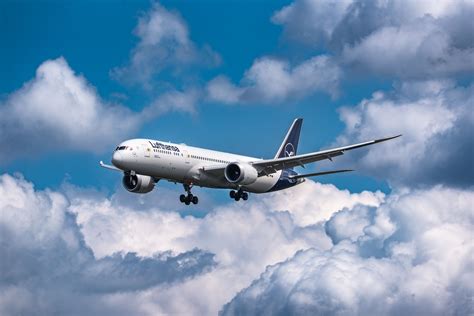
These environmental advantages also feed directly into United’s net-zero emissions by 2050 commitment. By accelerating deliveries of the Dreamliner, United simultaneously reduces per-flight emissions and shrinks the average age of its long-haul fleet. As of 2025, United’s 787s are just 7.2 years old on average, significantly younger than other widebody types in its portfolio.
Enabling Global Network Growth With Long-Range Capability
The 787-9 Dreamliner is the linchpin of United’s ambition to be North America’s international leader. With a maximum range of 7,500 nautical miles, the 787-9 can easily connect United’s hubs in San Francisco, Newark, Houston, and Washington D.C. with emerging and underserved global cities.
Since its introduction to the fleet in 2012, the 787-9 has been used on some of United’s most ambitious long-haul routes, including:
- Houston to Sydney – 8,587 miles
- San Francisco to Singapore – 8,440 miles
- Newark to Johannesburg – 7,988 miles
- Washington D.C. to Cape Town – 7,923 miles
These routes would be commercially unviable on older, less efficient aircraft, but the Dreamliner makes them not only possible but profitable. It allows United to explore nonstop services to secondary international cities, unlocking new revenue streams and reinforcing its brand as the U.S. airline with the broadest global footprint.
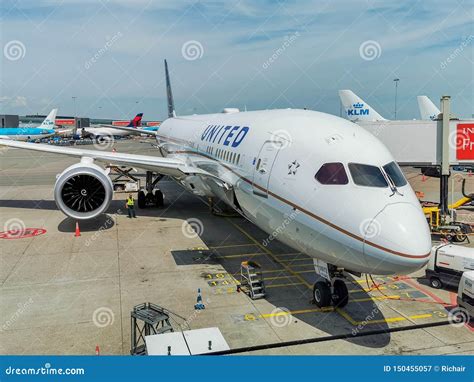
A Game-Changer in Passenger Experience: Introducing Elevated Polaris
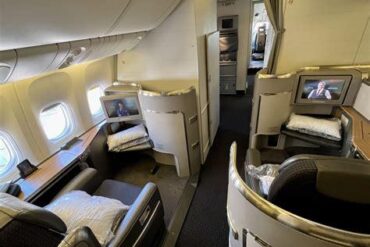
Alongside its fleet investment, United is aggressively overhauling the passenger experience, especially in premium cabins. The new 787-9s will debut the next-generation Polaris business class, complete with sliding doors, lie-flat beds, and Do Not Disturb lighting. These enhancements reflect a growing trend among high-value international travelers who demand privacy, luxury, and tech-enabled convenience.
At the pinnacle of the offering is the newly unveiled Polaris Studio. These suites provide:
- A 27-inch 4K OLED touchscreen
- Private two-person dining with an ottoman seatbelt
- Saks Fifth Avenue bedding and Perricone skincare amenity kits
- Exclusive add-ons such as hoodie pajamas, velvet pillows, and United-branded playing cards
The new layout includes 99 premium seats—eight Polaris Studios, 56 Polaris suites, and 35 Premium Plus seats—giving the Dreamliner one of the highest premium seat counts in U.S. long-haul service. Even economy travelers benefit from free Starlink Wi-Fi, Bluetooth-enabled seatback screens, and the largest economy displays on any U.S. carrier.
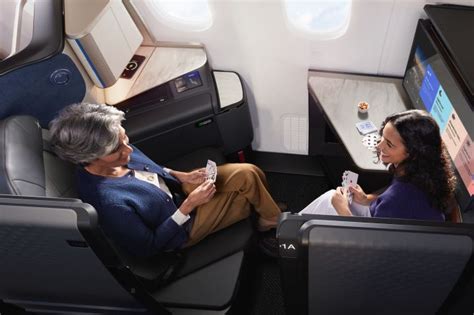
United expects to take delivery of its first Elevated Interior 787-9 by late 2025, with inaugural flights planned between San Francisco and Singapore and San Francisco and London. By 2027, United plans to have 30 of these premium-heavy 787-9s in service.
‘United Next’: The Visionary Backbone of Fleet Strategy
The large Dreamliner order is part of a broader initiative called ‘United Next’, a multi-year transformation effort launched during the pandemic. At its core, United Next is about modernization at scale. United has placed historic orders for new aircraft, including:
- 141 Boeing 787 Dreamliners
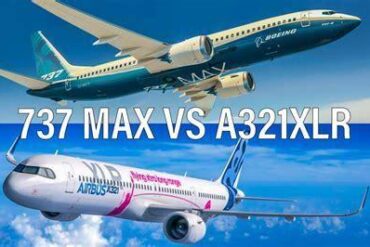
- 286 Boeing 737 MAX aircraft
- 145 Airbus A321neos
- 45 Airbus A350-900s
While the A350-900s are still on order, delivery has been repeatedly delayed and is not expected before 2030. In contrast, Dreamliner deliveries are accelerating, reinforcing Boeing’s dominant position in United’s widebody strategy.
Operating both the 787 and A350 may seem redundant, given their overlapping range and capacity profiles. However, United’s continued commitment to the 787 reflects a strategic preference for operational commonality and manufacturer leverage. Streamlining its widebody operations around a single family of aircraft helps reduce complexity and boosts efficiency across training, operations, and logistics.
Consolidating Global Dominance With The Right Aircraft
United’s continued bet on the 787-9 Dreamliner is more than a fleet update—it is a calculated commitment to long-term global leadership. The aircraft’s unique blend of range, capacity, efficiency, and passenger experience aligns perfectly with United’s goals to:
- Expand international routes sustainably
- Lower per-seat operational costs
- Elevate in-flight experience for high-value travelers
- Meet environmental sustainability benchmarks
- Rationalize fleet diversity without sacrificing flexibility
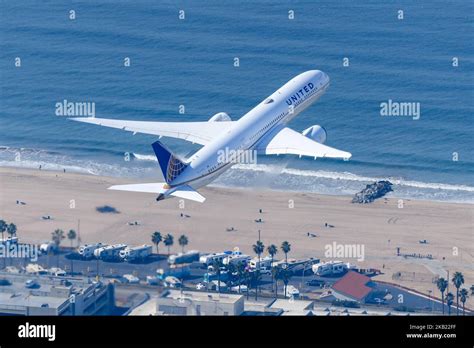
As the aviation industry continues to evolve, United Airlines is positioning itself at the forefront, with the Boeing 787-9 Dreamliner as its flagship workhorse. By 2030, when the last of the aging 767s are retired and the premium-heavy Dreamliners fully integrated, United will not only operate one of the youngest and most efficient long-haul fleets in the world—it will also redefine what passengers can expect from global air travel.