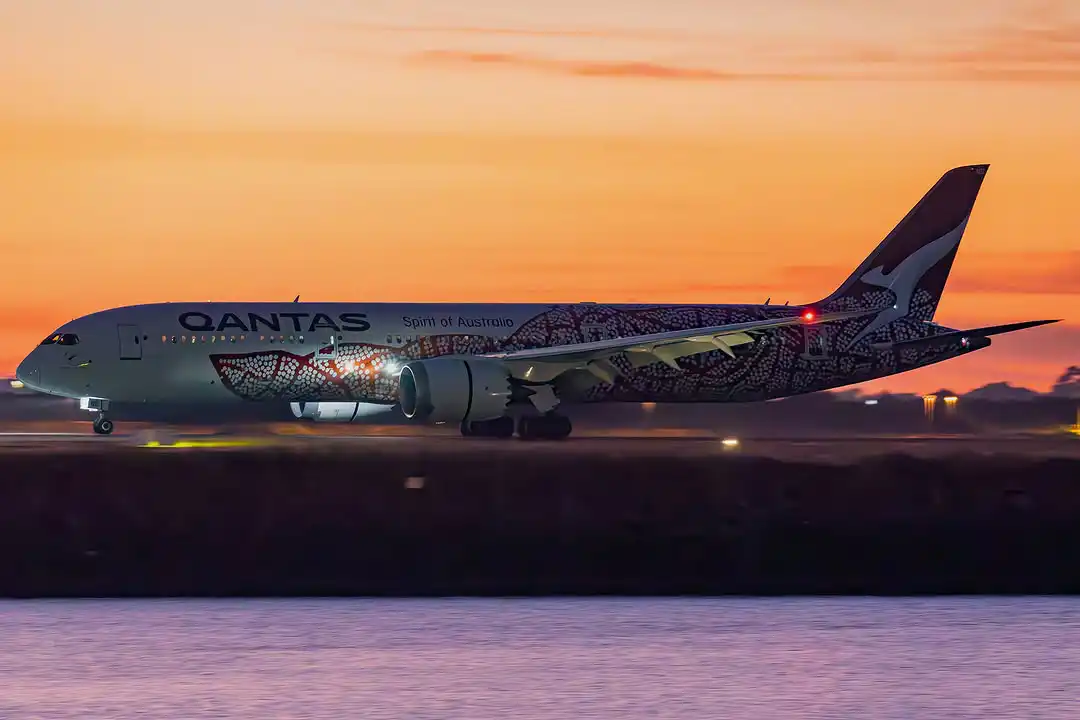
Australia’s aviation story is usually told through vast distances, ultra-long-haul endurance, and marathon flights that redefine what commercial aircraft can do. Yet hidden behind the headline-grabbing routes to Europe and North America is a far more surprising reality: some of the country’s shortest nonstop flights are operated by the Boeing 787 Dreamliner, an aircraft designed to stay airborne for nearly a full day. These routes reveal how modern fleet strategy, demand patterns, and network efficiency now matter more than sheer distance.
The Boeing 787 has become an everyday sight across Australian skies, not just on globe-spanning missions but also on unexpectedly compact regional and trans-Tasman sectors. Airlines are increasingly deploying widebody aircraft where passenger volume, cargo demand, and schedule optimization outweigh traditional aircraft assignment logic. The result is a list of Dreamliner flights that feel almost counterintuitive in scale.
This ranking examines Australia’s ten shortest nonstop Boeing 787 Dreamliner routes, drawing on Q1 2026 operational data. Each route highlights how airlines adapt long-range aircraft to short missions without compromising comfort, efficiency, or profitability.
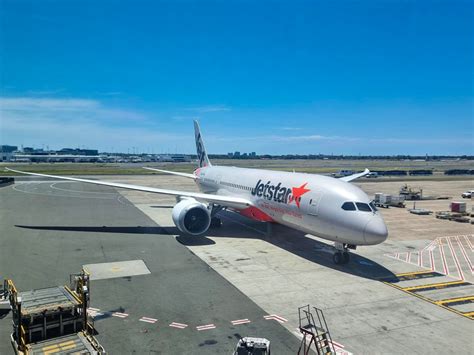
The Shortest of Them All: Sydney to Melbourne on a Dreamliner
The most surprising entry is the Sydney–Melbourne service operated by Jetstar, covering just 381 nautical miles. This iconic domestic corridor is traditionally dominated by narrowbody aircraft with high-frequency schedules, yet the presence of a Boeing 787-8 underscores Jetstar’s emphasis on capacity concentration rather than frequency saturation. Despite the short flight time, the aircraft’s wide cabin allows the airline to move large volumes of passengers efficiently during peak periods, particularly around holidays and major events. The use of the 787-8 also supports cargo uplift that smaller aircraft cannot match.
Trans-Tasman Routes Where the 787 Shines
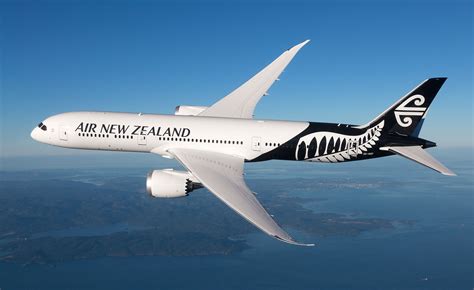
Auckland dominates the next cluster of short Dreamliner routes, reflecting the dense and competitive air bridge between Australia and New Zealand. Flights from Sydney, Brisbane, and Melbourne to Auckland range from roughly 1,100 to 1,400 nautical miles, distances that sit comfortably within narrowbody capability yet benefit from widebody economics. Qantas and Air New Zealand deploy their 787-9 fleets here to balance premium demand with high-volume leisure traffic, especially during peak travel seasons.
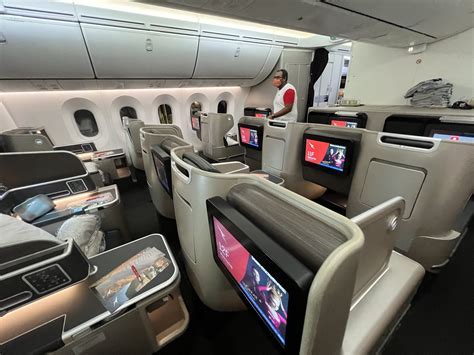
For passengers, these routes offer an experience normally reserved for long-haul travel. Lie-flat business class seats, premium economy cabins, and quieter pressurized environments elevate flights that last only a few hours, reshaping expectations of short international travel in the region.
Sydney to Perth: A Domestic Marathon on the List
Although it ranks among the shortest Dreamliner routes in Australia, Sydney–Perth is anything but short in absolute terms. At nearly five hours, it remains one of the world’s longest domestic flights. Qantas deploys the 787-9 here to deliver a consistent long-haul product across its network, ensuring premium passengers receive the same cabin standard whether flying domestically or internationally. The route also benefits from the Dreamliner’s fuel efficiency, which becomes critical given the frequency and distance involved.
Perth as Australia’s Western Dreamliner Hub
Perth emerges as a focal point for short-to-medium-haul Dreamliner operations, linking Western Australia to Singapore, Ho Chi Minh City, Bangkok, and Auckland. These routes, ranging from just over 2,100 to nearly 2,900 nautical miles, are ideally suited to the 787’s sweet spot. Airlines including Singapore Airlines, Scoot, Vietnam Airlines, and Thai Airways leverage the aircraft’s lower operating costs and flexible range to maintain strong connectivity from Australia’s west coast.
Singapore Airlines stands out by operating all three Dreamliner variants on the Perth–Singapore route, adjusting capacity based on seasonal demand. The presence of the 787-10, with its stretched fuselage and high-density layout, demonstrates how even relatively short international routes can justify large widebody aircraft when demand is consistent.
Cabin Experience: Long-Haul Comfort on Short Flights
One of the most striking aspects of these short Dreamliner routes is the quality of the onboard experience. Qantas configures its 787-9s with a premium-heavy layout, emphasizing business and premium economy seats that appeal to corporate and high-yield travelers. Air New Zealand, meanwhile, balances capacity with comfort, gradually retrofitting its fleet to increase premium seating without sacrificing economy space.
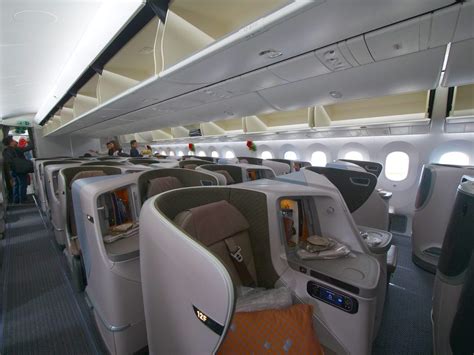
Low-cost operators like Scoot and Jetstar take a different approach, maximizing economy seating while still offering upgraded options such as ScootPlus or expanded business cabins. This flexibility highlights why the Dreamliner remains so attractive to airlines across business models.
How Australia Compares Globally
While Australia’s shortest 787 route measures just under 400 nautical miles, it remains far longer than the world’s briefest Dreamliner flights. Globally, some 787 services operate on sectors shorter than 100 nautical miles, often as part of triangular routings. Even so, Australia’s use of the Dreamliner on compact routes is notable for its standalone nature, not merely as a technical stop but as a deliberate scheduling choice.
Why These Routes Matter
These short Boeing 787 Dreamliner flights reveal a broader shift in airline thinking. Aircraft are no longer assigned purely by distance but by revenue optimization, passenger experience, and fleet simplification. In Australia, where geography encourages both extremes of flight length, the Dreamliner has proven versatile enough to thrive at both ends of the spectrum. From the bustling Sydney–Melbourne corridor to trans-Tasman hops and Asian gateways, these routes showcase how modern aviation prioritizes adaptability over tradition.