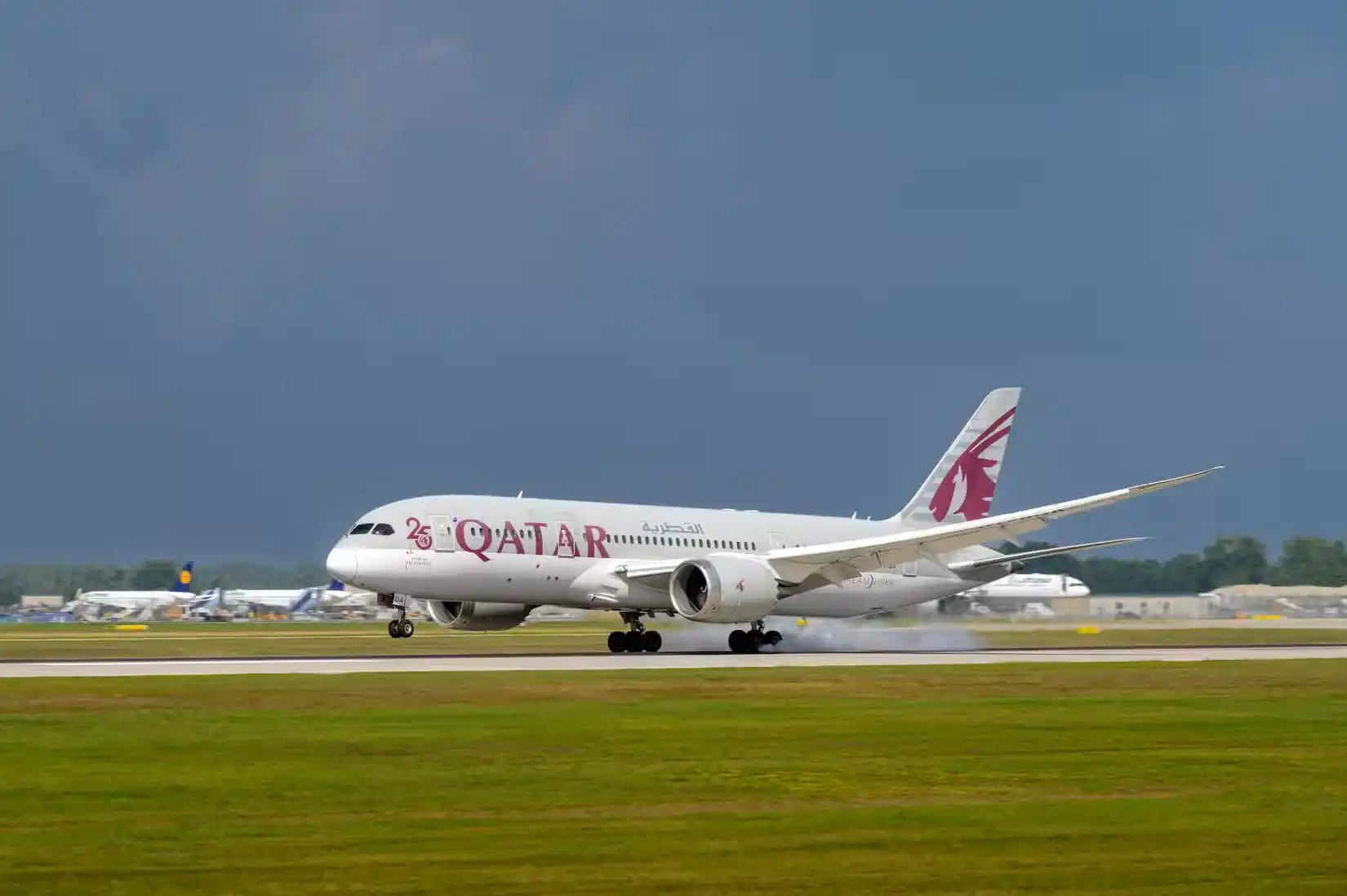
Qatar Airways has long been synonymous with ultra-long-haul luxury, connecting continents aboard its state-of-the-art fleet. However, nestled within its globe-spanning network is a surprisingly short yet significant route—a mere 91-mile journey between Doha and Bahrain, occasionally flown by the wide-bodied Boeing 787 Dreamliner. This curious deployment offers a rare glimpse into the strategic flexibility of a modern airline fleet.
The Dreamliner Revolution and Its Short-Haul Surprises
The Boeing 787 Dreamliner, often celebrated for its fuel efficiency and long-haul capabilities, typically evokes images of intercontinental journeys. However, Qatar Airways challenges this perception by utilizing the aircraft on regional Middle Eastern routes, occasionally including ultra-short sectors. According to Cirium’s aviation analytics data, nearly 600 Dreamliner flights scheduled in December 2025 are under 1,000 miles—demonstrating the jet’s versatility beyond its long-haul origins.
A 91-Mile Leap: Doha to Bahrain
The most noteworthy example of this short-haul phenomenon is the Doha (DOH) to Bahrain (BAH) route. Spanning just 91 miles (146.5 km), this flight is shorter than many daily commutes, yet it features one of the aviation world’s most advanced aircraft. While most services on this corridor are operated by smaller narrow-body aircraft, Qatar Airways has scheduled nine Dreamliner flights in each direction throughout December 2025.
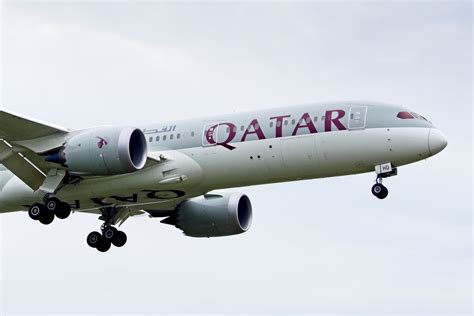
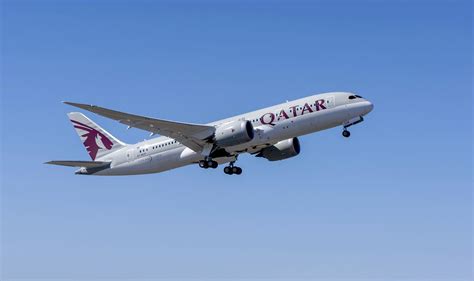
These flights use the Boeing 787-8, the smaller variant of the family. Though block times are scheduled at 50 minutes outbound and 55 minutes on the return, Flightradar24 data reveals the actual airborne time can be as short as 20 minutes. This is not merely a novelty; it underscores the airline’s commitment to maintaining premium consistency even on short routes.
Strategic Deployment Over Sheer Distance
Qatar Airways’ rationale is rooted in operational efficiency and premium service continuity. When the airline ordered the Dreamliner in 2007, it was explicitly described as central to regional and medium-haul operations, not just long-range ones. As stated by the airline:
“The 787 will form the core of Qatar Airways’ regional and medium-haul fleet from the next decade, and its optimum size and outstanding fuel efficiency and economics will underpin the airline’s profitability and competitiveness.”
The deployment of the Dreamliner for regional flights aligns with hub-and-spoke strategies. High-capacity aircraft on short routes help optimize passenger connections, especially for business-class travelers transferring at Doha Hamad International Airport, one of the busiest hubs in the region.
Widening the Short-Haul Dreamliner Network
Beyond Bahrain, Qatar Airways also uses the Dreamliner fleet on other regional sectors, particularly within the Middle East’s tightly clustered aviation hubs. These flights include:
- Dammam (DMM), Saudi Arabia: 140 miles from Doha; 22 Dreamliner rotations this month.
- Abu Dhabi (AUH), UAE: 200 miles; 10 Dreamliner flights, mostly using the 787-9.
- Dubai (DXB), UAE: 235 miles; 34 rotations split between 787-8 and 787-9.
- Riyadh (RUH) and Kuwait City (KWI): Also prominently served with 30 and 26 Dreamliner flights, respectively.
These short-haul deployments are not an anomaly but a deliberate and expanding strategy, allowing the airline to deliver a uniform product experience across its network and absorb fluctuating demand with agility.
The Lusaka–Harare Outlier: A Short-Hop in Africa
Perhaps the most intriguing deviation from Qatar Airways’ regional Dreamliner use is found outside the Middle East, on the Lusaka (LUN) to Harare (HRE) sector. Spanning just 250 miles (402 km), this route is flown 22 times in each direction this month. It forms the second leg of a longer journey originating in Doha.
Flight QR1455 departs Doha at 1:40 am, arrives in Lusaka at 7:50 am, and after a brief stopover, continues to Harare by 9:20 am. The return journey—QR1466—mirrors this schedule. Interestingly, passengers can book only the intra-African leg, making this segment a standalone product, even though it’s nested within a transcontinental itinerary.
This route is not only strategic in connecting African capitals but also illustrates how fleet commonality and route economics can blend in innovative ways. For Qatar Airways, the Dreamliner ensures reliability, reduced fuel burn, and consistent service levels—even on flights lasting just over an hour.
Why Use Widebodies for Short Flights?
The decision to utilize the 787 on such short segments raises legitimate questions. Among the compelling reasons are:
- Fleet Optimization: Efficient aircraft utilization between longer hauls.
- Passenger Experience: Delivering a seamless premium cabin experience, regardless of route length.
- Hub Congestion Management: Larger aircraft mean fewer overall flights for the same capacity.
- Operational Consistency: Simplifies maintenance scheduling and training requirements.
Airlines like Qatar Airways, based in geographically strategic transit hubs, gain an edge by offering premium products—even on short-haul flights—where travelers might not expect it.
The Dreamliner’s Flexibility in a Changing Aviation Landscape
Qatar Airways’ unconventional use of the Dreamliner underscores a larger trend in global aviation: versatility trumps tradition. Widebody jets are no longer confined to transoceanic missions. Instead, their fuel efficiency, technological sophistication, and passenger comfort make them ideal candidates for high-volume regional routes—especially when backed by strong hub infrastructure.
As the airline industry continues to adapt to changing passenger flows and global travel patterns, we can expect to see even more creative deployments of modern aircraft like the Boeing 787. Whether flying across continents or just 91 miles across the Persian Gulf, the Dreamliner proves that efficiency, elegance, and strategy can come in any size.