British Airways’ Boeing 777s remain pivotal to its global strategy in 2026, even as the 200ER fleet edges past 25 years of age. Accounting for 45% of the airline’s mainline fleet, the 777 continues to deliver both economic and operational value. Although typically associated with long-haul routes, these aircraft surprisingly operate some of the shortest flights in British Airways’ global network, including ultra-brief Caribbean hops and new European deployments.
A Legacy of Power: The Ubiquity of BA’s 777 Fleet
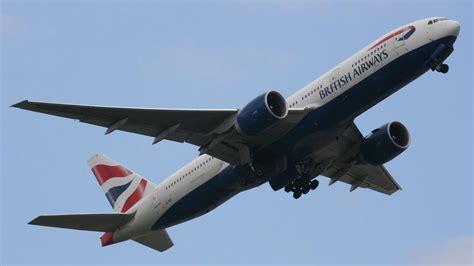
British Airways operates a total of 59 Boeing 777 aircraft, split between 43 777-200ERs and 16 larger 777-300ERs. Despite the advancing age of the 200ERs—averaging 25.9 years—their cost-effectiveness ensures they remain firmly embedded in BA’s route map. The airline deploys these aircraft across 56 airports worldwide, with an average route distance of 3,607 nautical miles (6,680 km). Yet, not all of them fly intercontinental marathons.
Tiny Yet Mighty: The 10 Shortest BA 777 Flights
From January to June 2026, BA’s 777s are scheduled on routes far shorter than one might expect from such a widebody aircraft. Among these, Caribbean island hops stand out. These tag-on services, typically operating with fifth freedom rights, allow British Airways to provide crucial intra-island connections.
At the very top of the list is the Antigua–St. Kitts segment, measuring just 54 nautical miles (100 km). This is followed by equally short sectors like St. Lucia to Grenada and St. Lucia to Tobago, demonstrating the airline’s hybrid approach—blending long-haul flights with short regional sectors to maximize aircraft utility.
Antigua to St. Kitts: The World’s Shortest 777 Flight
British Airways’ twice-weekly service between Antigua and St. Kitts is an aviation anomaly: a 15-minute journey onboard a long-haul, widebody jet. Flights depart and return from London Gatwick, with BA2157 leaving Antigua at 3:10 p.m. and landing in St. Kitts by 4:05 p.m. The return, BA2156, takes off at 5:45 p.m., typically cruising at 7,000 feet and returning to Antigua in just 16 minutes, as seen with the 26.9-year-old 777-200ER (G-VIIP) on January 3.
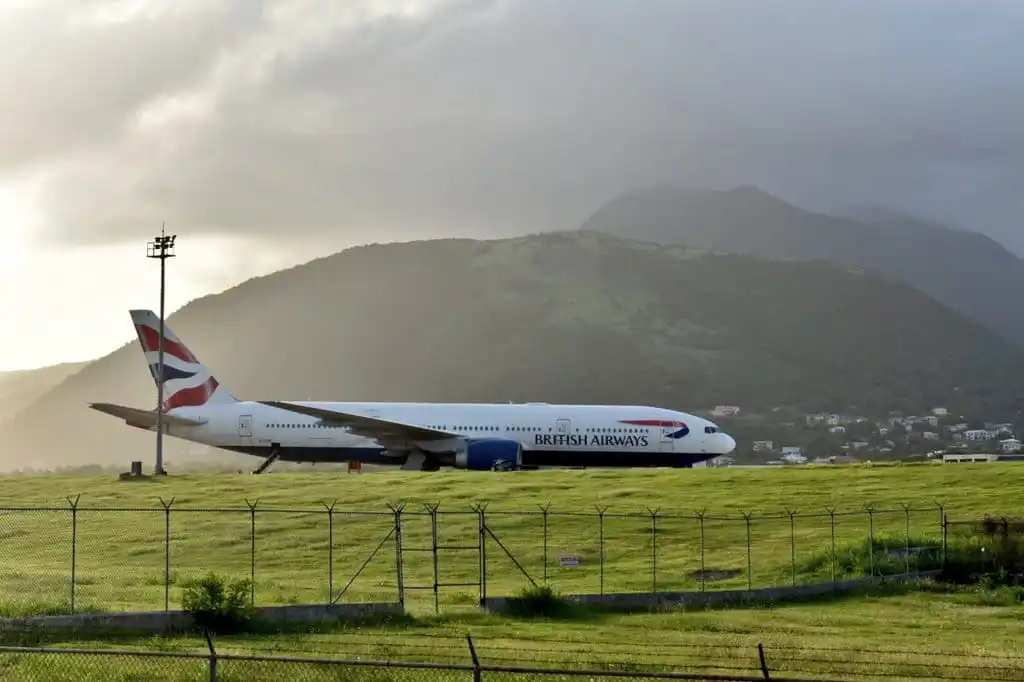
The route exists not for the sheer volume of local demand, but as a strategic Caribbean connection for both point-to-point passengers and cargo, while maintaining regulatory compliance and fifth freedom rights. It remains BA’s shortest route globally and highlights the operational flexibility of the 777.
Intra-Caribbean Connections: More Than Just Island Hops
In addition to Antigua-St. Kitts, British Airways operates several other short-haul Caribbean legs using the 777. These include:
- St. Lucia to Grenada (114 nautical miles / 211 km)
- St. Lucia to Tobago (155 nautical miles / 287 km)
- Nassau to Providenciales (347 nautical miles / 643 km)
- Nassau to Grand Cayman (406 nautical miles / 752 km)
- St. Lucia to Georgetown (461 nautical miles / 854 km)
These flights not only serve tourists but also act as essential links for regional travel. By utilizing widebody aircraft, British Airways can provide consistency in onboard product, offer cargo capacity, and streamline operations across its long-haul Caribbean network.
Europe’s Shortest Scheduled Widebody: Heathrow to Madrid
A surprise addition to BA’s shortest 777 routes is the Heathrow–Madrid sector. Covering 672 nautical miles (1,245 km), this route becomes British Airways’ only scheduled intra-European widebody service for 2026. Beginning March 29 and operating daily until at least October 25, the 777-200ER returns to the Spanish capital for the first time since 2022.
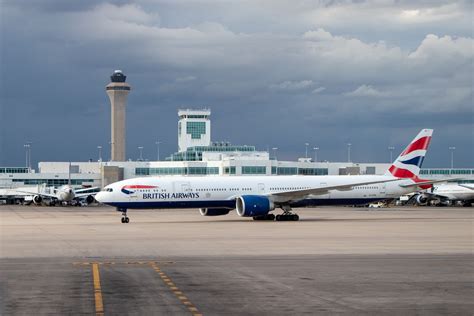
The decision to reintroduce the 777 on this route is driven partly by freight demand to and from South America, coordinated with Iberia under the IAG umbrella. Madrid is a strategic hub for freight forwarding, and deploying the 777 enhances cargo capabilities while maintaining high-frequency connectivity. The flight departs Heathrow at 12:20 p.m., returning at 6:55 p.m., leveraging daylight operational windows for optimal turnaround.
South American Intricacies: Connecting Rio and Buenos Aires
The Rio de Janeiro to Buenos Aires leg, at 1,078 nautical miles (1,996 km), may not seem short by European standards, but for a long-range aircraft like the 777, it ranks near the bottom. Operating daily from Heathrow, this segment is a strategic Latin American connector, enabling efficient routing and robust cargo operations between two of the continent’s most prominent cities.
It also underscores BA’s shifting emphasis on multi-city, regional tag-on flights, using 777s not just as direct point-to-point haulers but as dynamic, multi-leg carriers that adjust to regional market demands.
African and Middle Eastern Reach: Abuja and Riyadh
At the longer end of BA’s shortest 777 flights list are two routes that still fall under medium-haul classification: Heathrow to Abuja (2,571 nautical miles / 4,762 km) and Heathrow to Riyadh (2,670 nautical miles / 4,945 km). These daily operations use 777-200ERs year-round, with occasional substitutions by 777-300ERs.
Both routes highlight the enduring importance of the 777 for key diplomatic and commercial corridors. Abuja, now also served by Nigerian carrier Air Peace, is becoming increasingly competitive. Riyadh remains essential for both passenger and cargo operations, particularly amid evolving UK–Saudi Arabia economic ties.
Conclusion: A Strategy of Flexibility and Reach
British Airways’ deployment of the 777 on such short-haul and medium-haul segments in 2026 reflects a strategy of fleet optimization, regional connectivity, and operational efficiency. Whether flying a 15-minute hop between Caribbean islands or a brisk run to Madrid, the Boeing 777 remains a workhorse capable of seamlessly transitioning between long-range and regional missions.
These shortest routes, though modest in distance, represent critical elements of BA’s network architecture—blending passenger convenience, cargo capability, and route profitability. In an era where airline margins are scrutinized more than ever, British Airways continues to find innovative ways to extract value from its aging, but still mighty, Triple Seven fleet.