British Airways is stepping decisively into a new era of ultra-long-haul aviation, where endurance, efficiency, and premium comfort converge across journeys that stretch close to — and even beyond — a full day of travel. In 2026, the airline’s evolving network introduces a compelling mix of nonstop and one-stop routes, pushing operational limits while reshaping how passengers connect between continents.
What makes this expansion remarkable is not just distance, but time in the air and on the ground combined. By measuring total block time — from gate departure to arrival, including taxiing and operational buffers — these routes reveal the true scale of modern long-haul travel. The result is a portfolio of flights that demand both engineering precision and passenger resilience, with British Airways positioning itself squarely in the global spotlight.
Sydney to London: The 24-Hour Benchmark in Commercial Aviation
At the top of the list sits the formidable Sydney to London Heathrow service, clocking in at a maximum block time of 24 hours and 25 minutes. This isn’t just a long flight — it’s a logistical marathon. Operating daily, the route relies primarily on the Boeing 787-9, configured with around 216 seats, balancing efficiency with long-haul comfort.
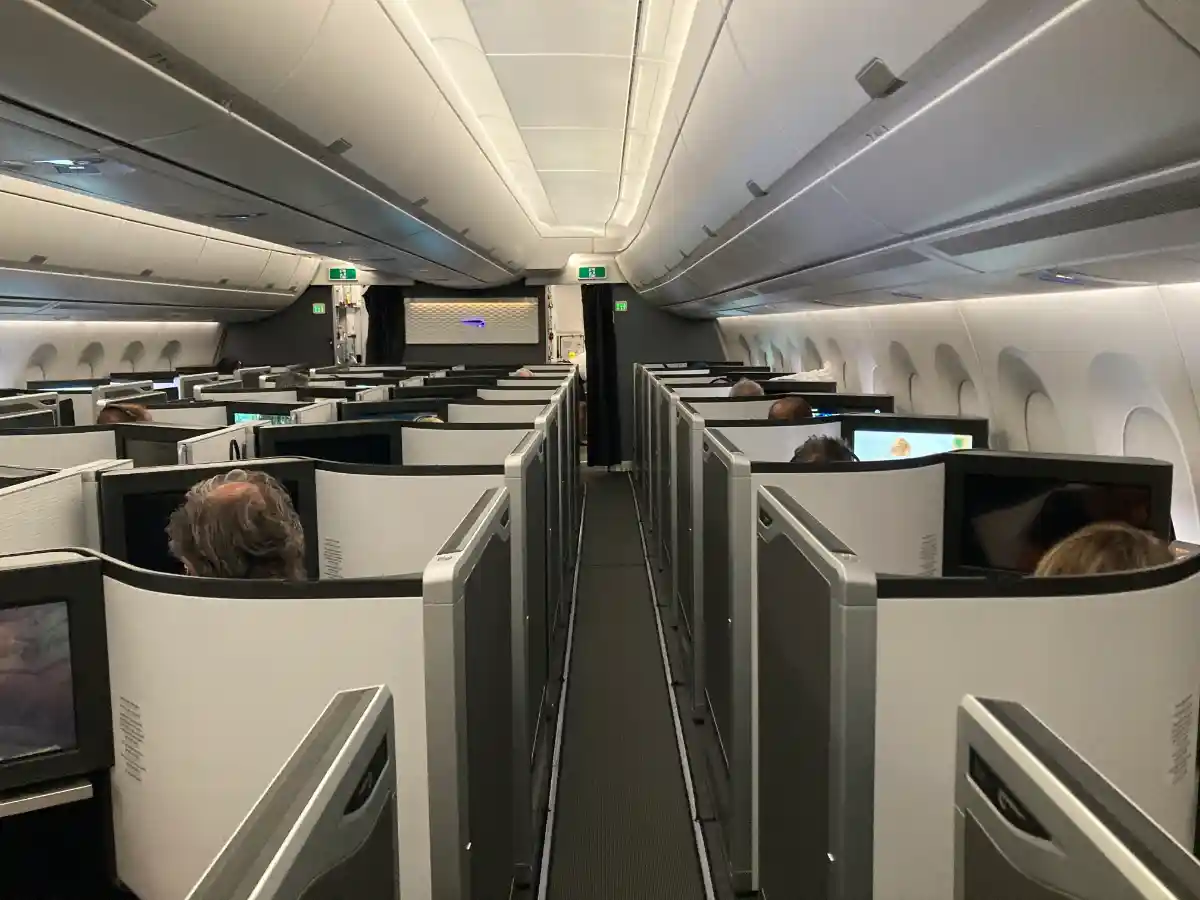
During peak northern winter months, British Airways upgrades capacity with the 777-300ER, a more premium-heavy aircraft featuring the airline’s new Club Suites, increasing both passenger volume and onboard luxury. This seasonal shift reflects a strategic push toward high-yield travelers, especially during Australia’s busiest travel periods.
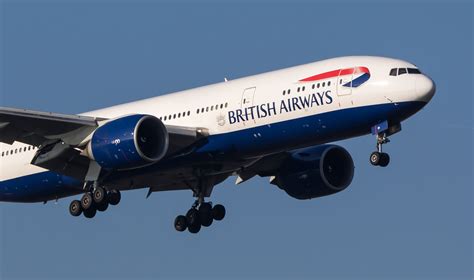
Despite being slightly shorter in scheduled time than Qantas’ equivalent, BA’s Sydney route remains a defining example of how airlines are optimizing ultra-distance travel without sacrificing schedule reliability. The built-in time buffers ensure punctual arrivals, even when operating across multiple time zones and unpredictable conditions.
Melbourne Returns: A Strategic Comeback via Kuala Lumpur
After more than two decades, British Airways is making a highly anticipated return to Melbourne, launching daily flights from London Heathrow starting January 2027. This route, operated via Kuala Lumpur, becomes the airline’s second-longest operation, with a total block time of 23 hours and 45 minutes.
The choice of Kuala Lumpur is both pragmatic and strategic. While it reflects limited alternative stopover options, it also enables fifth freedom rights, opening additional revenue streams between Malaysia and Australia. Interestingly, the route structure includes a lengthy ground time in Melbourne, allowing aircraft to operate overnight return legs — a subtle but effective way to maximize premium cabin demand.
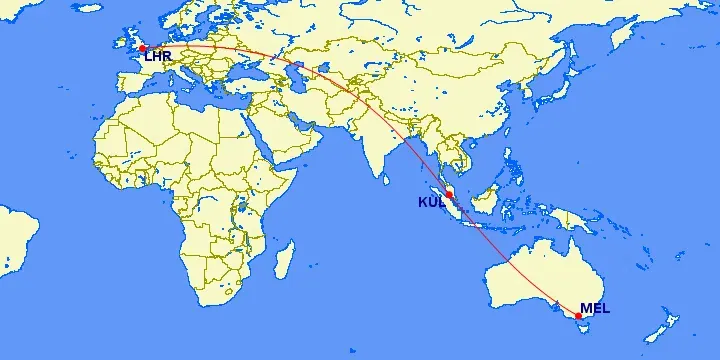
Passengers departing London in the evening arrive in Melbourne early morning, aligning well with business schedules. The return leg’s early Heathrow arrival (around 5:20 AM) is equally deliberate, ensuring seamless connections across BA’s extensive European and transatlantic network.
The South American Corridor: Rio and Buenos Aires Combined
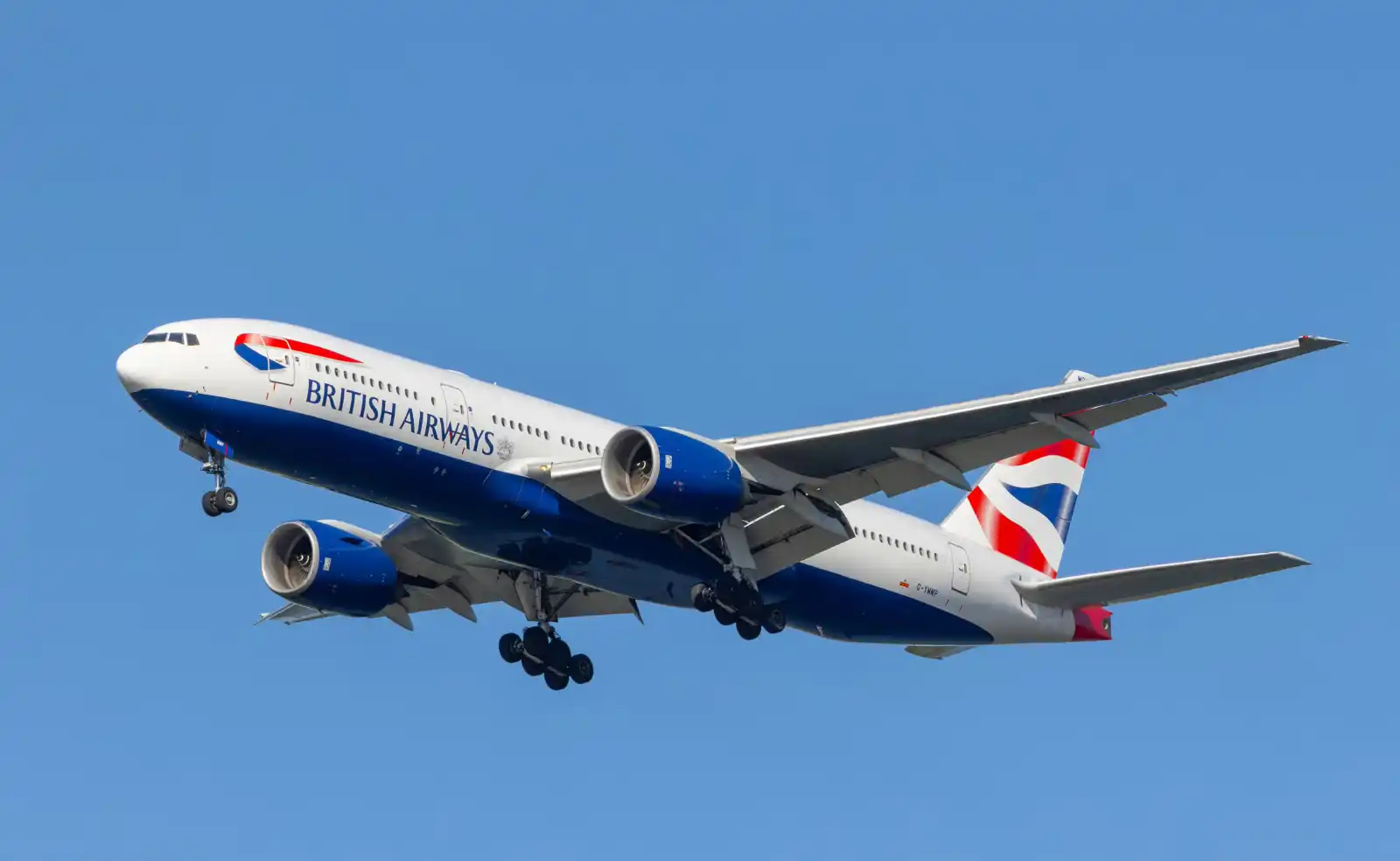
Ranking third is the Heathrow–Rio de Janeiro–Buenos Aires route, reaching up to 17 hours in total block time. This one-stop service, operated by the 777-200ER, represents a clever consolidation of demand across two major South American markets.
The switch from São Paulo to Rio in 2023 reshaped the route’s dynamics, tapping into strong tourism flows and business travel tied to Brazil’s cultural and economic hubs. With daily frequency, the route offers consistency while maintaining flexibility through its dual-destination structure.
Santiago and the Longest Nonstop Push
For travelers seeking a true nonstop endurance test, London Heathrow to Santiago stands out. With a maximum duration of 15 hours and 35 minutes, it is British Airways’ longest uninterrupted flight.
Operated several times a week by the Boeing 787-9, this route underscores the growing importance of direct connectivity between Europe and South America’s Pacific coast. The absence of stopovers is not just about convenience — it reflects advances in aircraft efficiency and route planning, particularly in navigating restricted airspaces.
Asia Routes Stretch Further Amid Airspace Constraints
Geopolitical realities continue to shape aviation, and British Airways’ Asian routes are a clear example. The Shanghai Pudong to Heathrow service, with a block time of up to 15 hours and 5 minutes, has lengthened due to the need to avoid Russian airspace.
Similarly, Tokyo Haneda to London clocks in at approximately 15 hours, with a mix of aircraft including the A350-1000, 777-200ER, and 787-9. This dual-daily service highlights Tokyo’s enduring importance as a business and cultural gateway.
Further down the list, Hong Kong and Singapore continue to anchor BA’s Asian network. Hong Kong’s daily A350-1000 service reaches up to 14 hours and 50 minutes, while Singapore’s dual flights — one standalone and one continuing to Sydney — reflect a layered network strategy.
Kuala Lumpur and Bangkok: The Extended Southeast Asia Reach
Kuala Lumpur appears again, this time as a standalone route with a block time of 14 hours and 5 minutes back to Heathrow. Its dual role as both destination and stopover underscores its growing significance in BA’s network planning.
Closing out the top ten is Bangkok to London Gatwick, a slightly different proposition. Operated between three and five times weekly using high-capacity 777-200ER aircraft, this route emphasizes volume over premium density, catering to leisure-heavy demand.
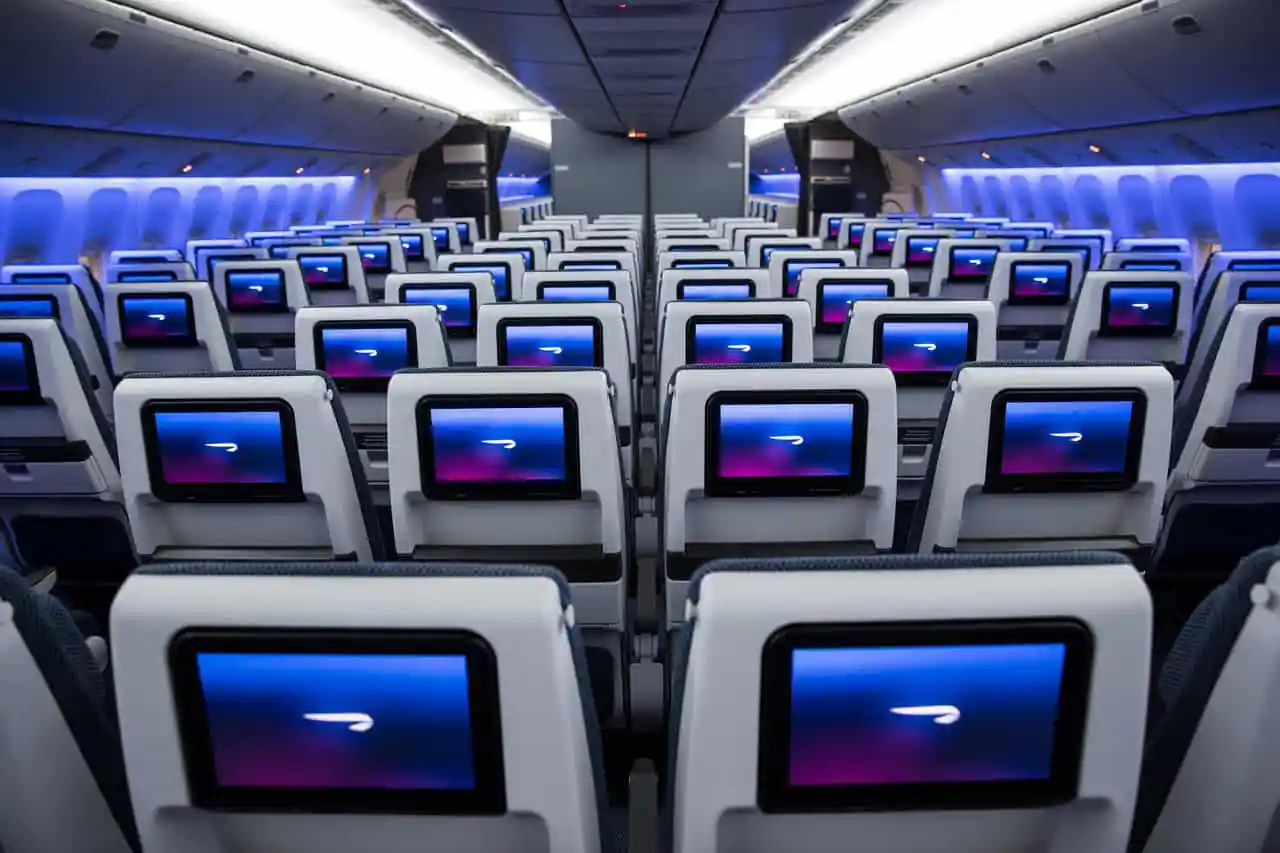
Unlike Heathrow’s premium focus, Gatwick operations allow British Airways to compete aggressively on price-sensitive long-haul routes, particularly in Southeast Asia’s tourism-driven markets.
A Network in Transition: Growth Meets Strategic Cuts
While these ultra-long routes paint a picture of expansion, the broader context reveals a more nuanced strategy. Since early 2025, British Airways has cut 21 routes, with some merely shifting between London airports. This recalibration reflects a deliberate effort to streamline operations and concentrate on high-performing markets.
The addition of up to 12 new routes from London, alongside potential services from other UK cities, signals a future where efficiency and profitability take precedence over sheer network size. Ultra-long-haul routes, despite their complexity, offer higher yields when executed correctly — especially with a strong premium cabin mix.
The Future of 24-Hour Travel
British Airways’ 2026 network is more than a collection of long flights; it is a blueprint for the future of global aviation. These routes challenge traditional assumptions about distance, redefine passenger expectations, and highlight the intricate balance between aircraft capability, route economics, and traveler comfort.
As airlines continue to experiment with longer and more efficient journeys, one thing becomes clear: the concept of a “long flight” is being rewritten. And if spending nearly 24 hours gate-to-gate sounds intense, that’s because it is — but it’s also becoming the new frontier of seamless global connectivity.