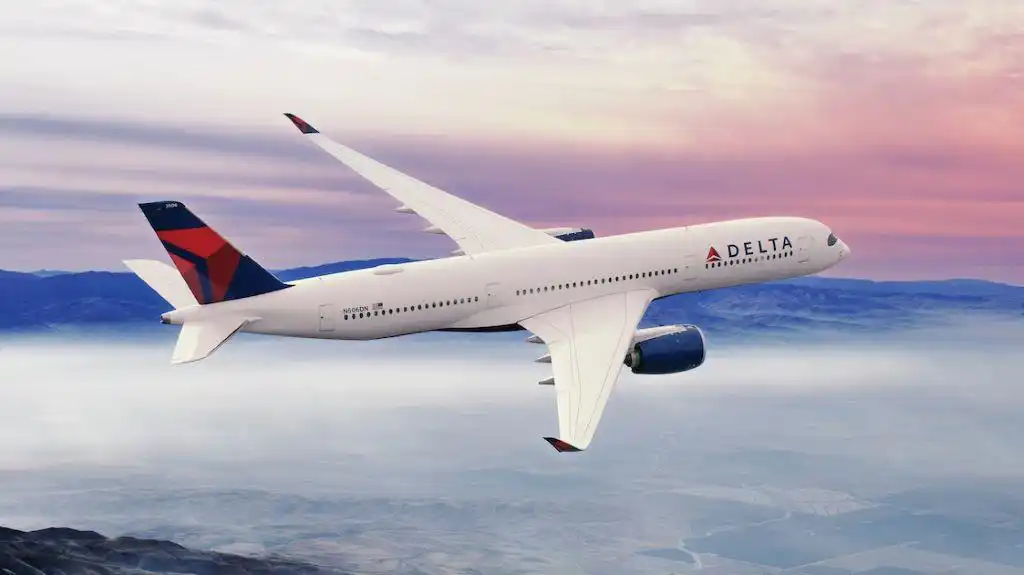
Delta Air Lines is redefining the boundaries of commercial aviation with a bold expansion into ultra-long-haul flying, unveiling ten routes in 2026 that stretch endurance, engineering, and passenger expectations alike. With flight times reaching up to 17 hours nonstop, the airline is not simply adding destinations—it is recalibrating how global connectivity works in an era where time, efficiency, and premium comfort are paramount.
Operating the world’s third-largest network of long-haul flights, Delta is scaling its international presence with remarkable intensity. Across 2026, the carrier is expected to average 113 daily long-haul departures from the United States, a figure that doubles when accounting for return services. This surge reflects not just demand recovery, but a calculated strategy to dominate high-yield intercontinental corridors, particularly across Europe, Asia-Pacific, and Africa.
The Strategic Rise of Ultra-Long-Haul Routes
Ultra-long-haul routes are no longer niche experiments—they are fast becoming the backbone of premium international travel. Delta’s 2026 network reveals a deliberate pivot toward nonstop efficiency, eliminating layovers in favor of direct, time-saving journeys that appeal strongly to business travelers and high-value leisure passengers.
Seasonality plays a crucial role in this expansion. During winter lows, Delta operates around 77 long-haul departures daily, but in peak summer months, that number surges to 133 flights, marking the highest level ever recorded in the airline’s history. These seasonal spikes are not random; they are tightly aligned with demand cycles, fare optimization, and aircraft utilization strategies.
The dominance of Europe—accounting for 63% of Delta’s long-haul operations—remains intact, yet the real story lies in the airline’s push into ultra-distance markets where competition is thinner and margins are stronger.
Breaking the 17-Hour Barrier: Delta’s Longest Flights
At the top of Delta’s endurance chart sits the Johannesburg to Atlanta route, clocking in at a staggering 17 hours and 5 minutes. This return leg, influenced by headwinds and operational constraints, represents the pinnacle of current commercial flight duration within Delta’s network.
Close behind are other marathon routes:
- Cape Town to Atlanta – 16h 35m
- Detroit to Shanghai Pudong – 16h 15m
- Los Angeles to Melbourne – 16h 05m
- Atlanta to Seoul Incheon – 16h
Each of these routes underscores a broader ambition: to connect major economic hubs without interruption, reducing total journey time while enhancing the passenger experience.
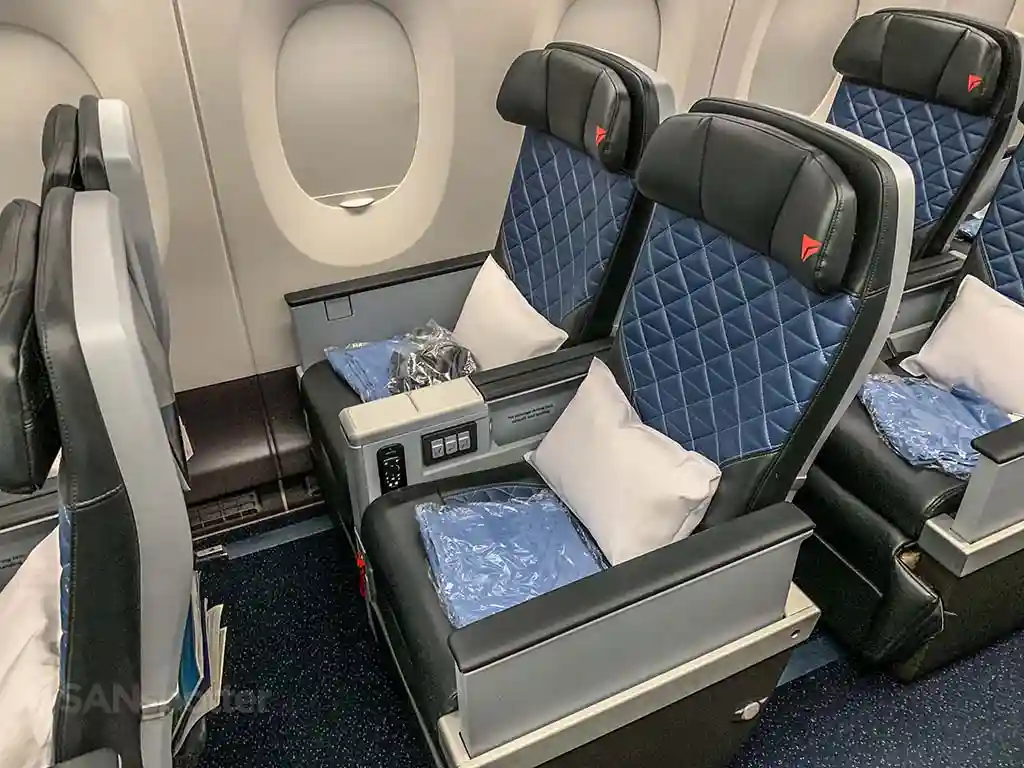
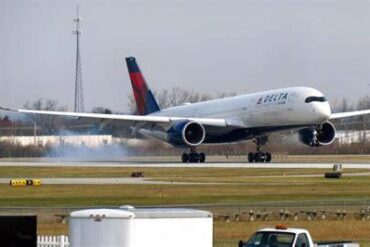
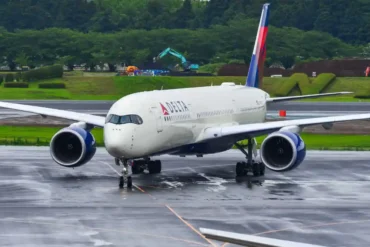
What makes these flights viable is not just demand, but aircraft optimization. Nine out of the ten longest routes are operated by the Airbus A350-900 (275-seat configuration), a carefully calibrated layout featuring:
- 40 Delta One suites
- 40 Premium Select seats
- 36 Comfort+ seats
- 159 Main Cabin seats
This configuration prioritizes premium revenue over sheer volume, a critical factor on routes where operational costs are significantly higher.
Detroit to Shanghai: A Route Reborn
Among the standout routes is Detroit to Shanghai Pudong, a service with a complex legacy. Originally launched by Northwest Airlines in 2000, the route struggled to sustain nonstop viability and often relied on a stopover in Tokyo Narita. Today, under Delta’s stewardship, it has evolved into a daily nonstop operation, reflecting both technological advancements and shifting market dynamics.
This route is unique within the top ten, temporarily utilizing a higher-capacity 306-seat A350, though it is scheduled to transition to the more premium-focused 275-seat variant later in the year. The change signals a broader trend: yield optimization is overtaking passenger volume as the key performance metric.
Los Angeles as a Pacific Gateway
Los Angeles emerges as a critical launchpad in Delta’s ultra-long-haul strategy, anchoring multiple routes into the Asia-Pacific region. Flights from LAX to Melbourne, Sydney, Brisbane, and Hong Kong form a dense network that positions Delta as a serious competitor in transpacific travel.
The introduction of the Los Angeles to Hong Kong route, beginning June 6, is particularly noteworthy. With a flight time of 15 hours and 45 minutes, it reconnects two major financial hubs while bypassing traditional stopover points.
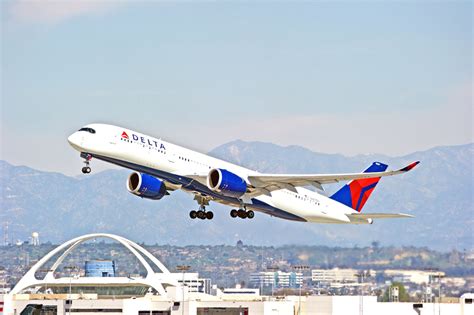
These routes are not mere expansions—they are calculated plays to capture premium transpacific demand, especially as business travel rebounds and travelers increasingly favor direct flights over multi-leg itineraries.
Johannesburg: Engineering Meets Economics
The Johannesburg route is more than just Delta’s longest—it is also one of its most technically challenging. Situated at a high-altitude airport, Johannesburg imposes performance limitations on departing aircraft, often requiring payload restrictions that can impact profitability.
Delta’s response has been both engineering-driven and commercially astute. By deploying the lighter, premium-heavy A350 configuration, the airline mitigates takeoff constraints while maximizing revenue per passenger. The result is a route that balances operational feasibility with financial performance.
Since its launch in August 2021, this route has steadily matured into Delta’s top African market from Atlanta, carrying over 148,000 round-trip passengers in 2025 alone.
Premium Cabins: The Economics of Comfort
Ultra-long-haul flying amplifies every aspect of the passenger experience, making cabin configuration a decisive factor. Delta’s emphasis on premium seating is not incidental—it is essential.
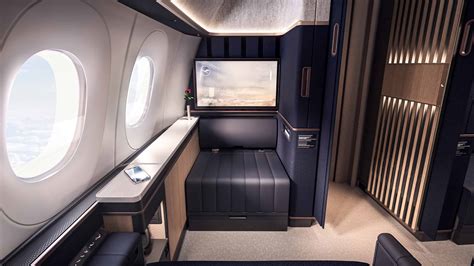
Longer flights justify higher fares, but only if passengers perceive value. Delta One suites, with their lie-flat beds and privacy doors, transform a 16-hour journey from an endurance test into a luxury experience. Meanwhile, Premium Select and Comfort+ provide tiered options that cater to varying budgets without diluting the overall yield.
This strategy reflects a broader industry shift where profitability hinges less on filling seats and more on selling the right seats at the right price.
The Future of Nonstop Global Travel
Delta’s 2026 ultra-long-haul expansion is not just about distance—it is about redefining what passengers expect from global travel. The ability to fly nonstop for 15 to 17 hours is no longer a novelty; it is becoming a competitive necessity.
Routes like Atlanta to Seoul, Riyadh to Atlanta, and Detroit to Seoul demonstrate how airlines are building networks that prioritize direct connectivity between major economic centers, bypassing traditional hubs and reducing travel friction.
The implications are profound. Airports must adapt to longer turnaround times, crews must operate under stricter fatigue management protocols, and passengers must recalibrate their expectations of comfort and endurance.
Yet, despite these challenges, the trajectory is clear: nonstop is the future, and Delta is positioning itself at the forefront of this transformation.
In pushing the limits of range and redefining the economics of long-haul travel, Delta is not merely expanding its network—it is reshaping the very architecture of global aviation.