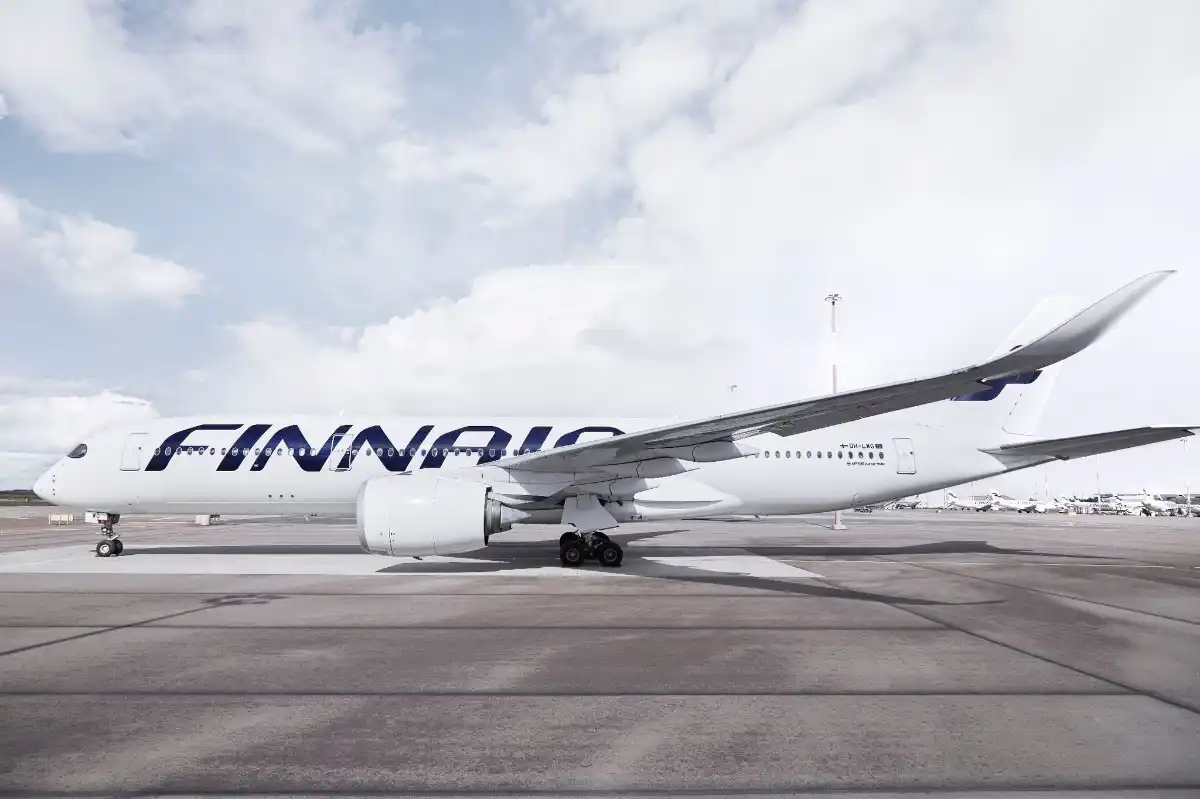
Finnair is preparing for one of the most ambitious long-haul expansions in its modern history, quietly transforming Helsinki Airport into a northern gateway linking Europe with Asia-Pacific destinations through some of the world’s longest commercial flights. While the airline has traditionally operated under the radar compared with larger European rivals, 2026 marks a turning point as the Finnish carrier introduces new ultra-long routes, restores suspended markets, and launches its first-ever connection to Australia.
The headline-grabbing addition is Melbourne, a route so extensive that total travel time from Finland to Australia stretches close to 24 hours. Yet the broader story is even more significant. Finnair is redesigning its network strategy around geopolitical realities, shifting passenger demand, and the operational limitations created by the closure of Russian airspace.
For travelers across Northern Europe, the Baltics, and parts of Asia-Pacific, the result is a fascinating collection of marathon flights operated almost entirely by Airbus A350 aircraft.
Finnair’s Melbourne Launch Changes European Aviation
Finnair’s upcoming Helsinki–Melbourne service instantly becomes the carrier’s longest route and one of the most unusual long-haul operations in Europe. Beginning on October 25, 2026, the airline will connect Helsinki with Melbourne via Bangkok using daily Airbus A350-900 flights.
Unlike many airlines that cautiously enter new long-haul markets with two or three weekly frequencies, Finnair is launching Melbourne with a full daily schedule from day one. That decision reveals how strategically important Australia has become for the carrier.
The route will operate in both directions through Bangkok, utilizing fifth freedom rights that allow Finnair to carry passengers between Thailand and Australia. Those rights are expected to play a crucial role in filling seats, particularly because direct local demand between Helsinki and Melbourne remains relatively small.
Instead, Finnair is betting heavily on transfer traffic.
Passengers from Scandinavian cities, Baltic capitals, and Northern European destinations will funnel through Helsinki before continuing toward Australia. At the same time, the airline’s partnership with Qantas opens additional connectivity opportunities deeper into Australia and New Zealand.
The scale of the operation is remarkable. OAG scheduling data indicates the maximum block time returning to Helsinki reaches approximately 23 hours and 30 minutes, placing the route among the most time-consuming journeys operated by any European carrier.
Why Finnair Is Betting Big On Airbus A350 Operations
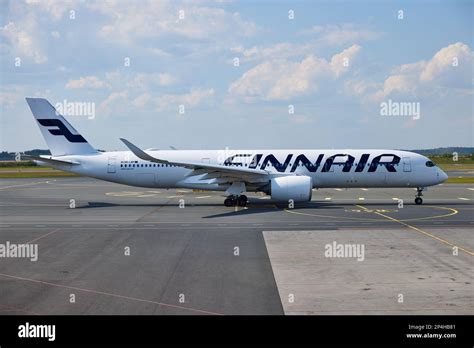
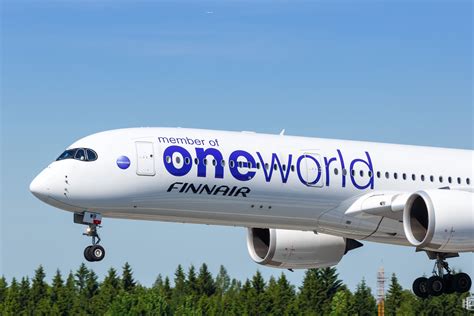
Nearly every route in Finnair’s ultra-long-haul portfolio depends on the Airbus A350-900. The aircraft has become the backbone of the airline’s intercontinental strategy thanks to its fuel efficiency, extended range, and passenger comfort advantages on flights regularly exceeding 12 hours.
Finnair plans to use both its 278-seat and higher-capacity 321-seat A350 configurations on the Melbourne route. The larger layout gives the airline greater flexibility during Australia’s peak summer travel season, particularly when demand surges between Southeast Asia and Oceania.
The A350 also plays an essential role in mitigating the impact of longer routings caused by geopolitical restrictions. Since Russian airspace remains inaccessible to most European carriers, Finnair’s once-famous geographic advantage for Asia flights has been significantly weakened.
Before the Ukraine war, Helsinki served as one of Europe’s most efficient gateways to Northeast Asia because aircraft could fly directly over Russia using shorter polar routes. Today, those journeys require substantial detours, increasing fuel burn, flight time, and operational complexity.
Even so, Finnair continues to maintain one of Europe’s strongest Asia-focused networks.
Shanghai Becomes Finnair’s Longest Non-Australian Flight
Outside the Melbourne operation, Shanghai Pudong now ranks as Finnair’s second-longest route. Flights returning from China to Helsinki can take up to 14 hours and 15 minutes, a dramatic increase compared with pre-war schedules.
Before 2022, the same service required roughly 10 hours and 15 minutes under optimal conditions. The additional four-hour increase illustrates how profoundly airspace closures have altered European aviation economics.
Finnair will operate Shanghai four times weekly during the summer season before reducing frequencies to twice weekly during winter. Every flight remains operated by the Airbus A350.
The route also reflects broader changes in Asian transit traffic. Helsinki previously attracted substantial connecting passengers heading between Europe and Asia because of its geographic efficiency. Longer flight times now make that competitive advantage harder to maintain, especially against Gulf carriers and Chinese airlines operating more direct routings.
Hong Kong, Seoul, And Singapore Anchor The Asian Network
Hong Kong ranks as Finnair’s third-longest operation, with westbound flights back to Helsinki scheduled for as long as 14 hours. The route continues operating daily with A350 aircraft despite the significantly longer journey times.
Seoul Incheon follows closely behind at 13 hours and 45 minutes, also maintained as a daily service. South Korea has become an increasingly important market for European airlines due to strong leisure demand, premium traffic, and expanding technology-sector business connections.
Singapore completes Finnair’s top five longest flights at approximately 13 hours and 40 minutes on the return leg to Helsinki. Although Southeast Asian routes are less affected by Russian airspace restrictions than Northeast Asia services, flight times still increased by roughly 90 minutes compared with previous years.
Singapore also remains strategically valuable because of its strong onward connectivity throughout Southeast Asia and Oceania. Finnair’s network planners increasingly view the city as a stabilizing hub market capable of supporting year-round premium demand.
Japan Dominates Finnair’s Ultra-Long-Haul Strategy
Few European airlines maintain as extensive a Japanese network as Finnair. In 2026, the airline continues serving Tokyo Haneda, Tokyo Narita, Osaka Kansai, and Nagoya.
Tokyo Haneda and Narita each reach maximum flight durations of around 13 hours and 25 minutes. Interestingly, the longest timings occur on flights from Helsinki to Japan rather than the return sectors. Finnair often routes westbound services over Alaska to exploit favorable tailwinds on the journey back to Europe, shortening overall flight times.
Tokyo Haneda retains daily A350 operations throughout the year, while Narita sees reduced winter frequencies after operating daily during summer.
Nagoya and Osaka Kansai also remain central to Finnair’s Asian presence. Osaka receives particularly strong capacity during the summer season, occasionally reaching up to ten weekly frequencies before dropping substantially during winter.
Japan’s importance to Finnair extends beyond tourism. Corporate travel, cargo demand, and long-established commercial ties between Finland and Japan continue supporting these lengthy operations despite elevated operating costs.

Thailand Emerges As Finnair’s Winter Powerhouse
Thailand is becoming one of Finnair’s most important long-haul markets during the 2026 winter season. Bangkok, Phuket, and Krabi all feature among the airline’s ten longest routes.
Bangkok remains the cornerstone destination, served daily during summer before expanding to as many as 18 weekly departures in winter. One of those Bangkok services continues onward to Melbourne, effectively linking Finland, Thailand, and Australia through a single extended operation.
Phuket follows with flights reaching 11 hours and 30 minutes, while Krabi returns to Finnair’s network with twice-weekly A350 services lasting approximately 11 hours and 35 minutes.
The strong Thai presence highlights changing European leisure travel patterns. Demand for warm-weather destinations across Southeast Asia continues rising among Nordic travelers, particularly during harsh winter months.
Finnair is capitalizing aggressively on that trend.
Finnair’s 10 Longest Flights In 2026
- Helsinki–Melbourne via Bangkok — up to 23h 30m
- Shanghai Pudong–Helsinki — up to 14h 15m
- Hong Kong–Helsinki — up to 14h
- Seoul Incheon–Helsinki — up to 13h 45m
- Singapore–Helsinki — up to 13h 40m
- Helsinki–Tokyo Haneda — up to 13h 25m
- Helsinki–Tokyo Narita — up to 13h 25m
- Nagoya–Helsinki — up to 13h 5m
- Osaka Kansai–Helsinki — up to 13h 5m
- Helsinki–Krabi — up to 11h 35m
Finnair’s 2026 strategy demonstrates how a midsized European carrier is adapting to a rapidly changing aviation landscape. Longer routes, complex detours, and shifting passenger flows have forced airlines to rethink global networks. Finnair’s answer is not retreat — it is expansion through endurance, efficiency, and carefully targeted ultra-long-haul flying.